Counting the waves…
Counting the waves…

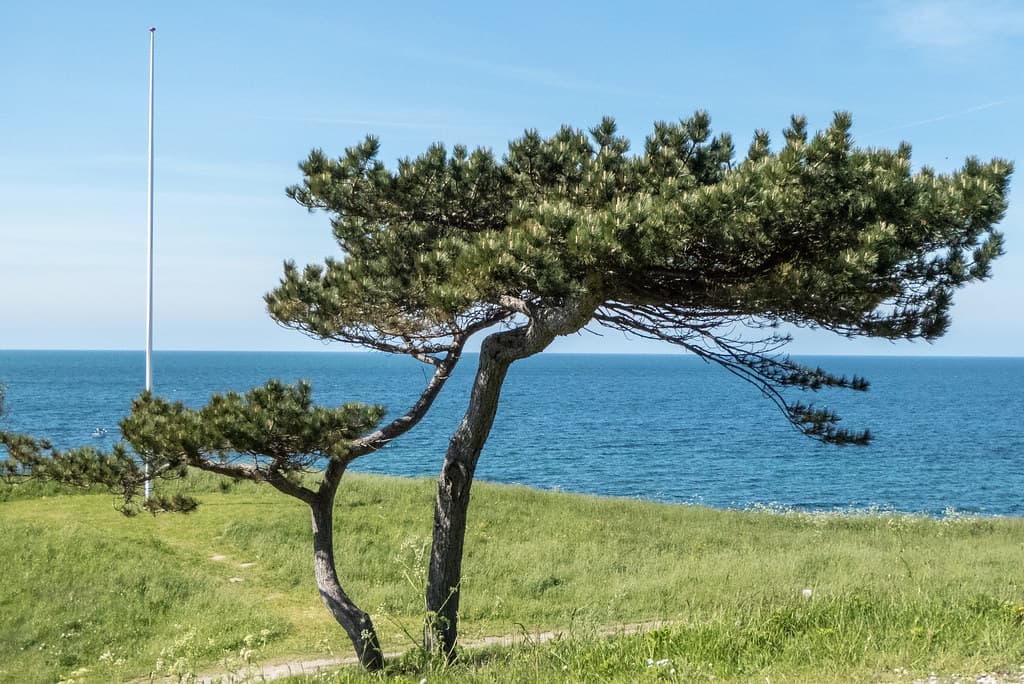
The beach unfolds as a modest strip of honey-toned sand bookended by low scrub and weathered wooden groynes, the kind of place where you count bicycles in the rack instead of cars in a lot. Families spread wool blankets near the tideline while toddlers dig moats that fill slowly with the bay's tepid, brackish water. The shore slopes so gently that even at high tide the sea barely laps your shins twenty paces from shore—a geography that makes nervous parents visibly relax. Beyond the designated swimming zone, the shoreline curves toward Hundested's working harbor, where gulls wheel above trawlers unloading the day's catch. The beach lacks cabanas or snack bars; instead, a single wooden bench faces west across Isefjord toward the silhouette of Sejerø island. By late afternoon the pines behind you cast long shadows across the sand, and the air smells of salt, warmed driftwood, and the faint diesel from distant boats. Stay past seven and you'll understand why the handful of locals guard this place quietly. The sunset stretches pink and apricot across the entire western horizon, unbroken by hotels or headlands. Children chase each other in the shallows until their voices are the only sound left, and you realize you've stumbled onto a small, unguarded intimacy—the kind Denmark keeps for those who wander past the guidebook's last page.
Places, rentals, tours and events within walking and driving distance of Gråstenvej Beach.
Photos
Gråstenvej Beach is a small, local bathing area with sandy bottom that's generally safe for families during calm conditions. There are no lifeguard services, as this is a quiet neighborhood beach rather than a major tourist destination. Parents should supervise children at all times and check weather conditions before swimming. The North Zealand coast can experience currents, so caution is advised. The beach's compact size makes it easier to watch children. Water quality is typically good, but the sea remains cool even in summer, which is normal for Danish beaches.
Visit Gråstenvej Beach during summer months (June through August) for the warmest weather and most pleasant bathing conditions. Weekday visits offer maximum tranquility, as this local beach sees mainly nearby residents. For sunset viewing, late afternoon visits provide beautiful western light over the water. The beach is accessible year-round for walks and nature appreciation, though water activities are only practical in warmer months. September can be lovely with fewer people and still-decent weather. Being a small local spot, it never gets very crowded, making timing less critical than at major beaches.
Gråstenvej Beach is located in Hundested, approximately 70 kilometers northwest of Copenhagen. By car, take Route 6 north then Route 16 west to Hundested—journey time is roughly 75-90 minutes. Look for Gråstenvej road to find beach access; parking is limited but usually available in this residential area. By public transport, take a train from Copenhagen toward Hillerød, then bus 353 to Hundested (total journey 2+ hours). Having a car is most practical for reaching this smaller, less-advertised beach location.
Gråstenvej Beach has no facilities, being a small local bathing spot. Hundested town center, about 2 kilometers away, offers supermarkets, bakeries, restaurants, and cafes serving Danish cuisine and seafood. The harbor area has dining options with views. Accommodation in Hundested includes holiday cottage rentals, a few small hotels, and bed and breakfasts—this is primarily a summer house area rather than a major tourist destination. Many visitors rent cottages for longer stays. Bringing your own refreshments to the beach is recommended, as nothing is available on-site.
Gråstenvej Beach appeals specifically to travelers seeking authentic local experiences beyond typical tourist destinations. Its small scale and residential setting provide genuine insight into Danish coastal summer life. The beach offers tranquility and space that busier beaches cannot match, perfect for quiet family time or peaceful relaxation. It represents the kind of hidden spot that doesn't appear prominently on maps but rewards explorers willing to venture off beaten paths. The unpretentious, no-frills character and absence of crowds create an intimate seaside experience that feels like a personal discovery rather than a tourist attraction.