Counting the waves…
Counting the waves…
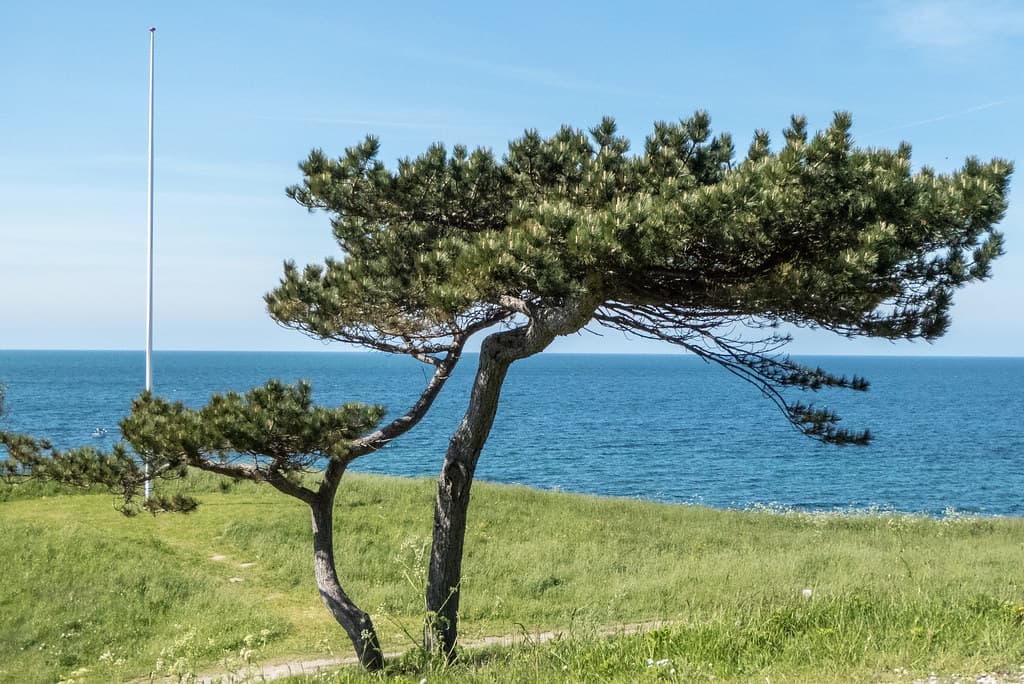
The beach arrives without fanfare—a gentle slope of rounded stones the color of wet cement, shifting from fist-sized near the tideline to palm-smooth higher up. You navigate them with careful steps, each footfall finding purchase among pebbles worn glassy by Kattegat currents. The air smells of salt and tarred rope, carried from the working harbor a stone's throw west where wooden boats still rest on cradles between outings. Unlike the groomed beaches farther south, Kikhavn wears its fishing-village past openly. Weathered boathouses painted ochre and rust lean into the shore, their doors hung with cork floats and tangles of net. Locals arrive in late afternoon, towels slung over shoulders, wading in without ceremony. The water deepens slowly, its olive-green surface dimpled by wind rather than waves. Come evening, the stones radiate stored warmth beneath your feet while the sun dissolves into Sejerø Bay, staining the low clouds persimmon and ash. You won't find beach bars or rental cabanas. Instead, there's a small parking area behind a grassy bank, a single wooden bench facing the water, and the quiet company of a handful of visitors who've discovered that Denmark's best shores are often the ones that refuse to perform. Bring a cushion—the pebbles are honest about their hardness—and settle in for the kind of evening that asks nothing of you but attention.
Places, rentals, tours and events within walking and driving distance of Kikhavn Beach.
Photos
Kikhavn Beach is generally safe for swimming during calm weather, though the pebble beach means no lifeguard services are typically present. The waters are part of the sheltered Isefjord area, which tends to be calmer than open coastlines. However, currents can vary, so always assess conditions before entering. The pebble shoreline can be slippery when wet, so wear water shoes for comfort and safety. During summer months, the water is cool but swimmable for most visitors. Check local weather forecasts and avoid swimming during storms or strong winds.
The best time to visit Kikhavn Beach is from late May through early September when temperatures are warmest and daylight hours are longest. June through August offers the best swimming conditions, with water temperatures reaching their peak. For fewer crowds and romantic sunset views, visit during shoulder seasons in May or September. Weekdays are quieter than weekends year-round. The beach's west-facing orientation makes it particularly beautiful during evening hours when the setting sun illuminates the historic fishing village. Early autumn can offer pleasant weather with minimal visitors.
Kikhavn Beach is located in Hundested, approximately 70 kilometers north of Copenhagen. By car, take Route 16 north through Frederiksværk to Hundested, then follow signs to Kikhavn harbor area; parking is available nearby. Public transport options include taking a train from Copenhagen to Hillerød, then bus 338R to Hundested. The journey takes roughly 90 minutes. Once in Hundested, the beach is within walking distance of the town center. Cycling is popular along the north coast, with dedicated bike paths connecting nearby towns and beaches.
Hundested town center, a short walk from Kikhavn Beach, offers several dining options including traditional Danish cafés, seafood restaurants, and pizza places. The fishing village heritage means fresh local fish is often available. For accommodation, Hundested has holiday rentals, bed-and-breakfasts, and summer cottages rather than large hotels, maintaining its authentic coastal-village character. Nearby camping facilities are available for budget travelers. Larger towns like Frederiksværk offer additional hotel options within a 15-minute drive. Many visitors stock supplies from local supermarkets for self-catering in rental properties.
Kikhavn Beach stands out for its authentic fishing-village atmosphere and pebble shoreline, contrasting with the sandy beaches dominating Zealand's north coast. The beach retains a working-harbor character, with colorful fishing boats and maritime history visible throughout. Its location within the sheltered Isefjord creates calmer waters than ocean-facing beaches. The combination of pebble beach, historic cottages, and quieter visitor numbers makes it ideal for couples seeking a characterful, less commercialized coastal experience. The sunset views over the water are particularly striking, enhanced by the village's picturesque silhouette.