
Counting the waves…
Counting the waves…

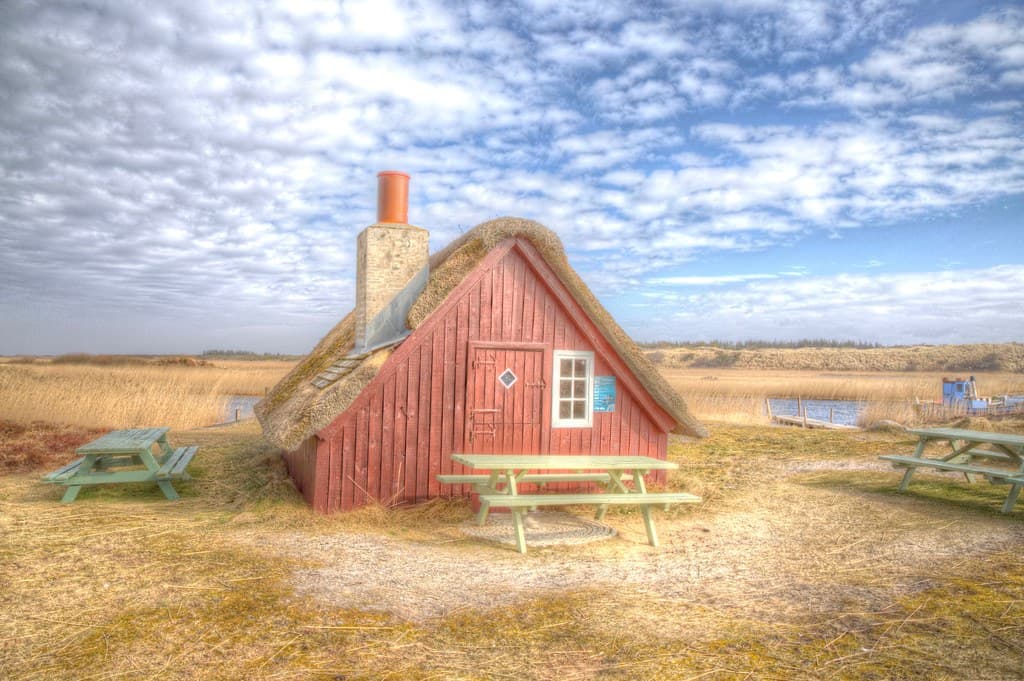
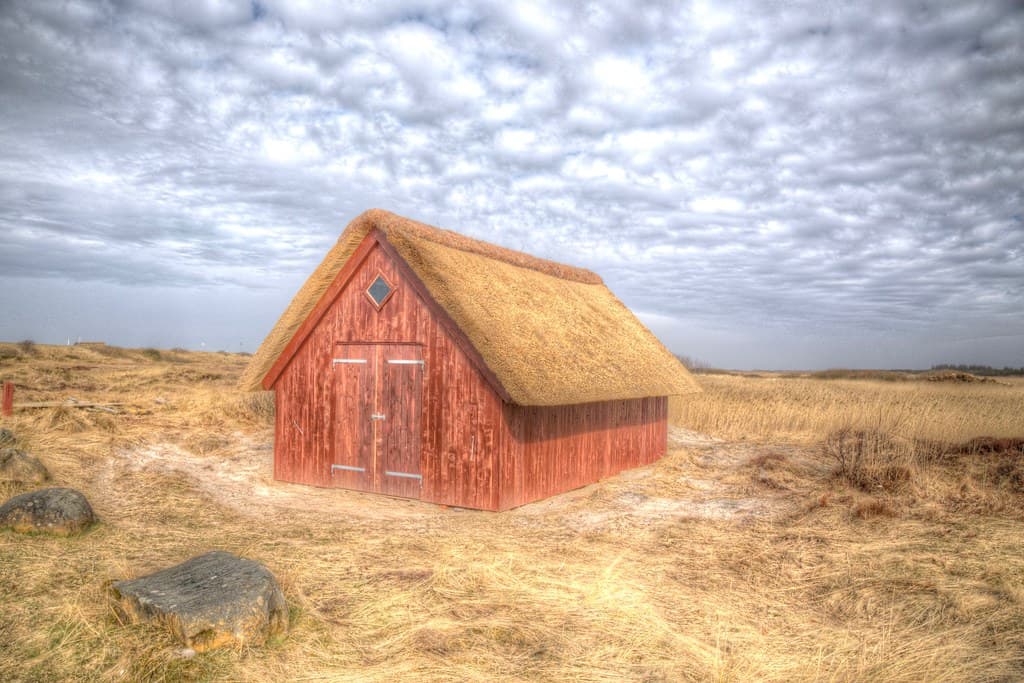
You park between the summer houses—timber-clad rectangles with pitched roofs and salt-bleached decks—and follow wooden boardwalks over the dunes. The beach reveals itself slowly: first the rustle of marram grass, then the white noise of surf, finally the overwhelming breadth of sand. At low tide, the shore becomes a highway of firm, wet sand where children sprint for what seems like kilometers. The North Sea here is serious, steel-gray even in July, flecked with whitecaps when the westerlies blow. Families plant themselves behind striped windbreaks, the canvas snapping overhead, while kids dig trenches that fill with seawater. The light has that Nordic clarity—horizontal, unforgiving—that turns every shell and footprint into high relief. By late afternoon, the sun swings northwest and the entire beach becomes a theater for one of Denmark's most reliable performances. Sunset watchers arrive with thermoses and woolen blankets, staking out spots on the upper beach. The sky ignites in layers—mauve, salmon, ember—reflected in the tidal pools left behind by the receding sea. There's no bar, no pier, no promenade. Just you, the sand, and the oldest ocean in Europe doing what it's done since the ice retreated.
Places, rentals, tours and events within walking and driving distance of Bjerregård Strand.
Photos
Bjerregård Strand offers a wide, sandy beach suitable for families, though North Sea conditions require caution. The beach is unguarded, so parents must supervise children closely. Strong currents, undertow, and changing weather are typical of Denmark's west coast. The broad sandy shore and gradual approach make it safer near the waterline, ideal for paddling and sandcastle building. Swimming is possible during calm conditions but always assess waves and currents first. The extensive sand area provides safe space for sunbathing and beach games away from the water. Respect local warnings and avoid swimming in rough weather or high winds.
Bjerregård Strand is most popular from June through August when weather is warmest and summer houses are occupied. For the best balance of good weather and fewer crowds, visit in late May, early June, or September. These shoulder periods offer pleasant temperatures, longer daylight hours, and more solitude. The beach is spectacular for sunset viewing year-round. Autumn and winter bring dramatic coastal scenery and powerful waves but cold, windy conditions. Weekdays are quieter than weekends throughout the season. Sun-bathing is best in high summer, while spring and autumn suit walkers and photographers. Peak crowds occur during Danish school holidays in July.
Bjerregård Strand is located on the Holmsland Klit peninsula on Denmark's west coast. By car, take Route 181 along the narrow land strip between Ringkøbing Fjord and the North Sea; Bjerregård is well-signposted with beach parking areas. From Ringkøbing, the drive takes about 20 minutes; from Herning, approximately 50 minutes. Public transport is limited, with infrequent bus services along the coast. Most visitors arrive by private vehicle or bicycle. The flat coastal terrain makes cycling popular and feasible. Parking areas provide direct access to the beach via paths through the protective dunes. Summer traffic can be heavier during peak holiday periods.
Bjerregård is dominated by summer houses (holiday homes) with limited commercial development. Small local shops may offer basic supplies, but options are modest. The nearby towns of Hvide Sande and Ringkøbing provide supermarkets, restaurants, and more extensive shopping. Accommodation centers on holiday home rentals, which are abundant and popular for family beach holidays. Some camping facilities exist in the region. Hotels and bed-and-breakfasts are more common in larger nearby towns. Most visitors self-cater in rented summer houses. For dining out or substantial grocery shopping, plan trips to Hvide Sande or Ringkøbing. Bring essential supplies when settling in for beach days.
Bjerregård Strand epitomizes the traditional Danish west coast summer holiday experience. Its broad sandy beach, protective dunes, and summer-house community represent classic Holmsland Klit character. Unlike more remote beaches, Bjerregård offers easy access and established infrastructure while maintaining natural coastal beauty. The combination of extensive sand for sunbathing, reliable surf, and proximity to Ringkøbing Fjord activities makes it versatile. The beach balances accessibility with unspoiled scenery—no boardwalks or commercial development intrude on the dune landscape. For generations, Danish families have chosen these shores for traditional seaside holidays, making Bjerregård a quintessential example of west Jutland's beloved beach culture.