
Counting the waves…
Counting the waves…

The drive across Fanø island ends where asphalt meets sand, and you roll onto the beach itself—tires hissing over packed tidal crust, dunes rising to your left like sleeping giants. Sydstrand lacks the snack bars and changing rooms of its northern cousins; what it offers instead is space, silence, and a shoreline so broad at low tide you can walk a hundred meters before the first wave licks your ankles. Marram grass shivers. Amber hunters crouch near the waterline, fingers sifting through foam-laced debris. Families stake claim with windbreaks—striped canvas pockets that bloom across the sand like wildflowers, shielding picnic blankets from the relentless westerlies. Children dig moats that fill and drain with tidal rhythm. The water stays bracing even in July, a reminder that this is the North Sea, not the Mediterranean; a quick plunge sharpens your senses and sends you scrambling back to your towel. As afternoon softens, you notice the light—flat, pewter, utterly Danish—casting long shadows from driftwood and tufted dune grass. Kitesurfers rig their lines in the distance. A couple walks the hard-pack with a dog, three silhouettes against an enormous sky. There are no vendors, no loudspeakers, no umbrellas for rent. Just wind, sand, and the steady metronome of surf.
Places, rentals, tours and events within walking and driving distance of Fanø Sydstrand.
Photos
Fanø Sydstrand is generally safe for families, but caution is advised. The North Sea can have strong currents and changing tides, so always supervise children closely near the water. The beach has minimal lifeguard services compared to resort areas, so rely on your own judgment. Check local tide tables and weather conditions before swimming. The wide, open sandy expanse allows plenty of room for paddling in shallow areas during calm conditions, making it suitable for families who stay vigilant.
Visit Fanø Sydstrand during shoulder seasons—May to early June or September—for the best crowd-free experience. Weekdays are significantly quieter than weekends throughout the year. Early mornings and late afternoons offer more solitude even during summer months. Because this southern stretch has fewer facilities than northern resort beaches, it naturally attracts fewer visitors year-round. Winter visits offer complete tranquility but require warm clothing, as North Sea winds can be bracing.
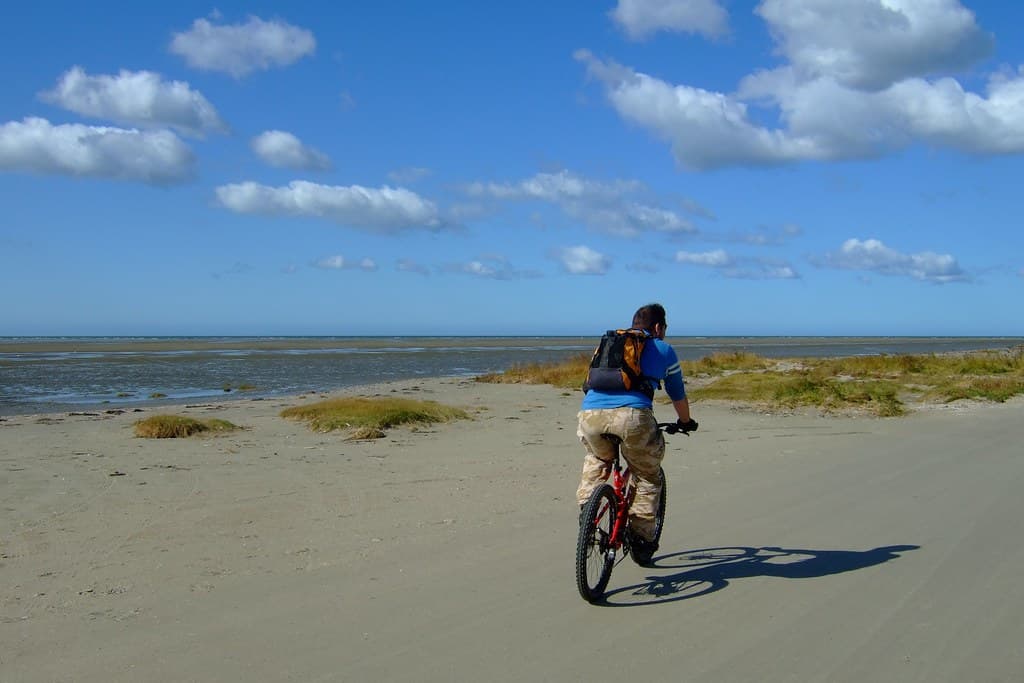
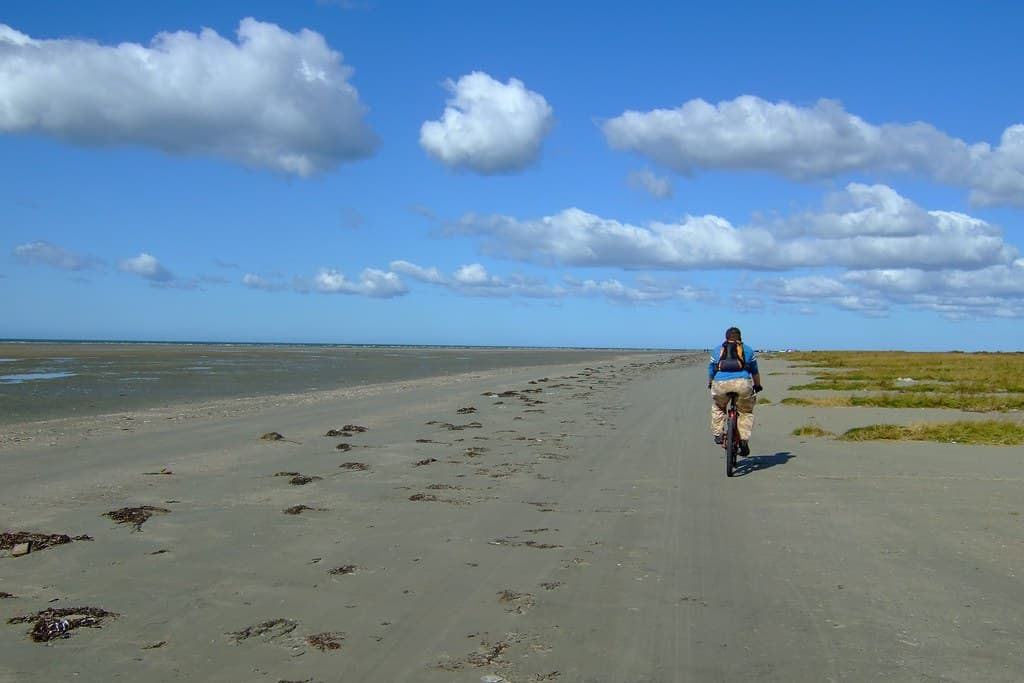
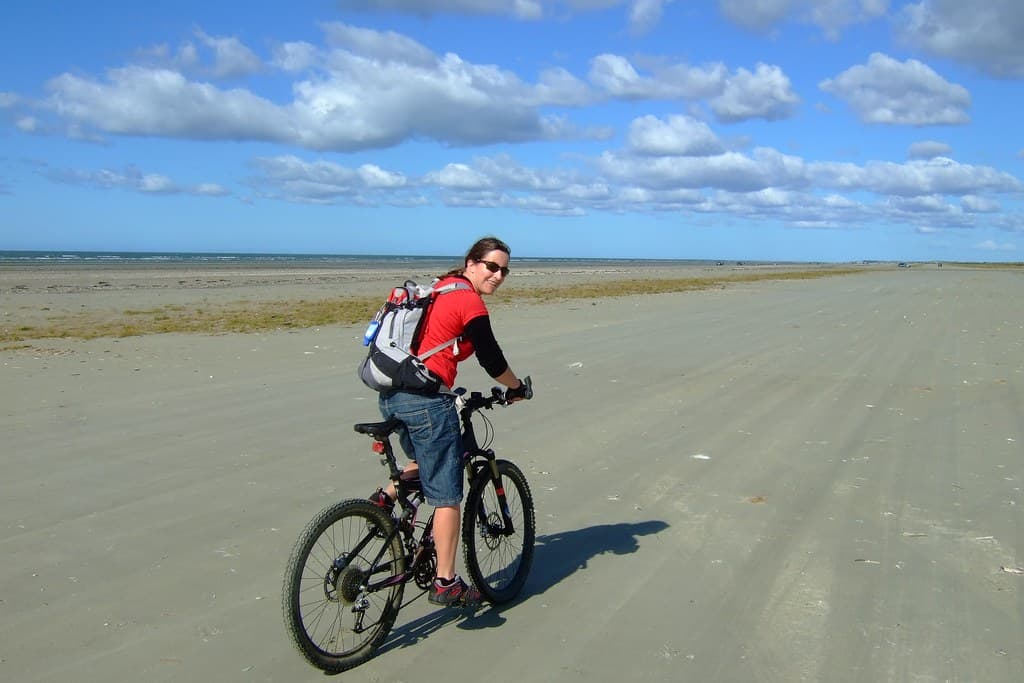
Reach Fanø Sydstrand by taking the ferry from Esbjerg to Fanø, which runs frequently throughout the day and takes approximately 12 minutes. Once on the island, you can drive, cycle, or take a local bus southward toward the southern part of the island. The beach is accessible by car with designated parking areas near the dunes. Many visitors rent bicycles in Nordby or Fanø Bad, as cycling is a popular way to explore the island's beaches and landscapes.
Fanø Sydstrand itself has minimal facilities, keeping with its quieter character. For dining and lodging, head to nearby Fanø Bad or Rindby, both a short drive or bike ride away, where you'll find restaurants, cafés, and holiday rentals. Sønderho village to the south offers charming accommodation options and local eateries. Many visitors stay in vacation homes scattered across the island. Pack snacks and water for beach days, as on-site amenities are limited compared to more developed beach areas.
Fanø Sydstrand stands out for its undeveloped, natural character with fewer commercial facilities than northern beaches like Fanø Bad. The southern location means wider open spaces, more solitude, and authentic dune landscapes. It's ideal for visitors seeking a peaceful beach experience focused on nature rather than amenities. The lack of crowds makes it perfect for long walks, sunbathing in tranquility, and experiencing the raw beauty of Denmark's North Sea coast without the tourist infrastructure found elsewhere on the island.