Counting the waves…
Counting the waves…
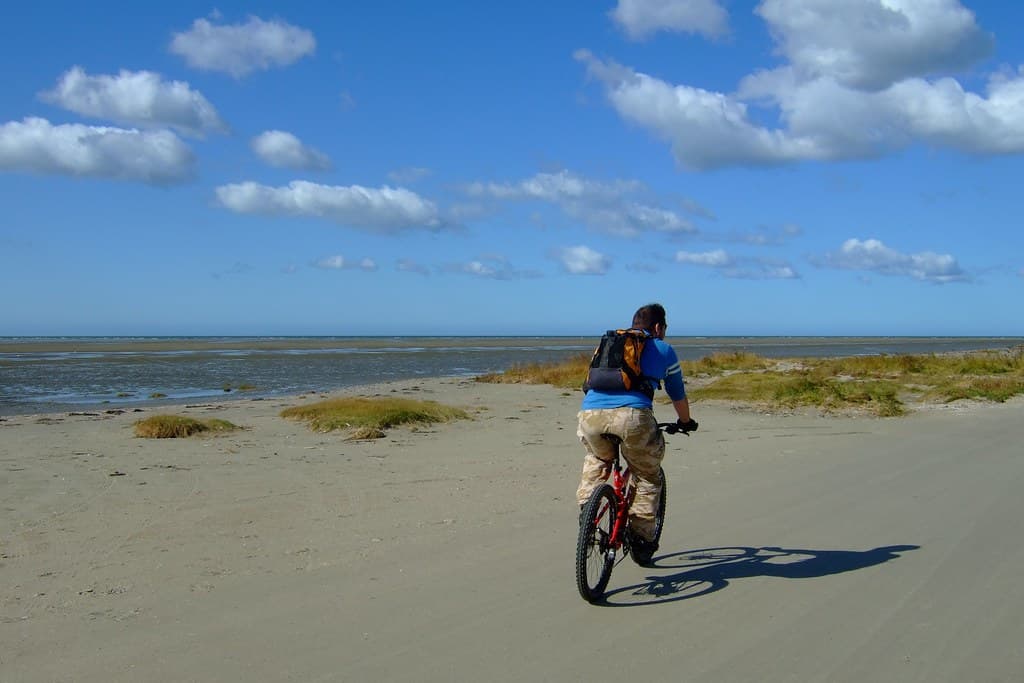
The path from Sønderho village leads you through a corridor of wild rose and marram grass, the salt air sharpening as you crest the final dune. Below, the beach stretches wide and flat at low tide, ribbons of seawater glinting in channels that shift with every moon. Families wade barefoot through the shallows while kites snap overhead, their tails tracing arcs against the pale Danish sky. This is the Wadden Sea's edge, where the sand holds the memory of each tide in scalloped ridges. You'll find fragments of blue mussel shells, the occasional amber pebble worn smooth, and—if you time it right—the kind of solitude that feels earned rather than engineered. The village behind you, with its pitched roofs and painted shutters, has sent sailors to these waters for three centuries. Sunset here is a slow affair. The light turns the wet sand to bronze, and the horizon blurs into bands of apricot and slate. You might hear Danish spoken softly among the dunes, or simply the wind and the tide doing what they've always done. When the last glow fades, lanterns flicker on in Sønderho's windows, and the beach returns to the oystercatchers.
Places, rentals, tours and events within walking and driving distance of Sønderho Strand.
Photos
Sønderho Strand is generally calmer than beaches on Fanø's western shore, but swimming conditions depend on weather and tides. This southern beach typically has less infrastructure than resort beaches, with no regular lifeguard service, so swimmers should be confident and cautious. The sandy bottom and gradual slope make it suitable for paddling and wading for families. Always check weather forecasts and be aware of currents. The sheltered location makes it popular for walking and sunbathing rather than vigorous swimming, especially appealing to those seeking quieter, less-supervised beach experiences.
Visit Sønderho Strand in late afternoon for stunning sunsets over the water, one of its signature attractions. May through September offers the most pleasant weather for beach visits. Weekdays see fewer visitors than weekends, maintaining the beach's quiet character. Early autumn provides beautiful light and solitude, ideal for photographers and contemplative walks. Because it's tied to the historic village of Sønderho, combine your beach visit with village exploration during daytime, then return for evening sunset views. Low tide reveals extensive sandflats perfect for beachcombing.
Sønderho is at Fanø's southern tip, approximately 12-14 kilometres from Nordby ferry terminal. Drive south on the main island road for about 15-20 minutes, following signs to Sønderho village. Cycling is popular and takes 45-60 minutes on mostly flat roads with bike paths. Limited bus service operates during summer, but schedules may not suit all visitors. From Sønderho village, the beach is a short walk westward through dunes. Parking is available near the village. The journey itself offers lovely island scenery.
The historic village of Sønderho, adjacent to the beach, offers limited but charming options. A small café and one historic inn provide dining during season, though hours can be limited outside peak summer. Sønderho Kro, the traditional inn, serves Danish cuisine and offers overnight accommodation in a beautifully preserved setting. Several vacation cottages are available for rent in and around the village. For more dining variety, visitors often bring picnics or plan to eat in Fanø Bad or Nordby. The village grocery options are minimal.
Sønderho Strand offers a quieter, more remote atmosphere tied to Denmark's best-preserved maritime village, a combination of cultural and natural heritage unique among Fanø's beaches. The beach rewards visitors with exceptional sunset views and a sense of discovery despite being accessible. Surrounded by tranquil dune landscapes and away from resort development, it feels more hidden and peaceful. The southern location provides different perspectives of Fanø's coastline. Many visitors combine beach time with exploring Sønderho village's historic captains' houses and narrow lanes, creating a richer cultural experience.