Counting the waves…
Counting the waves…

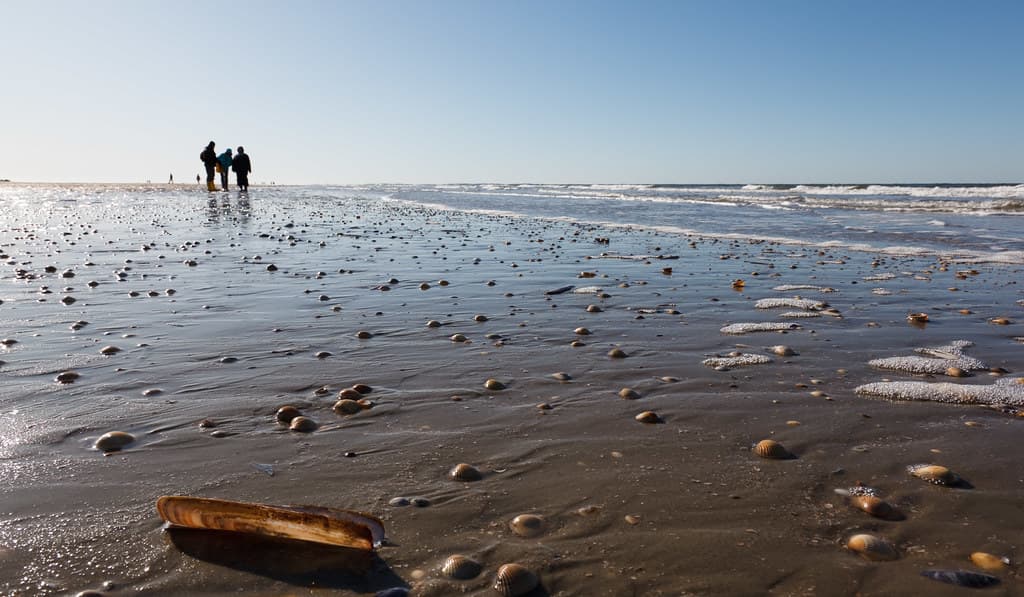
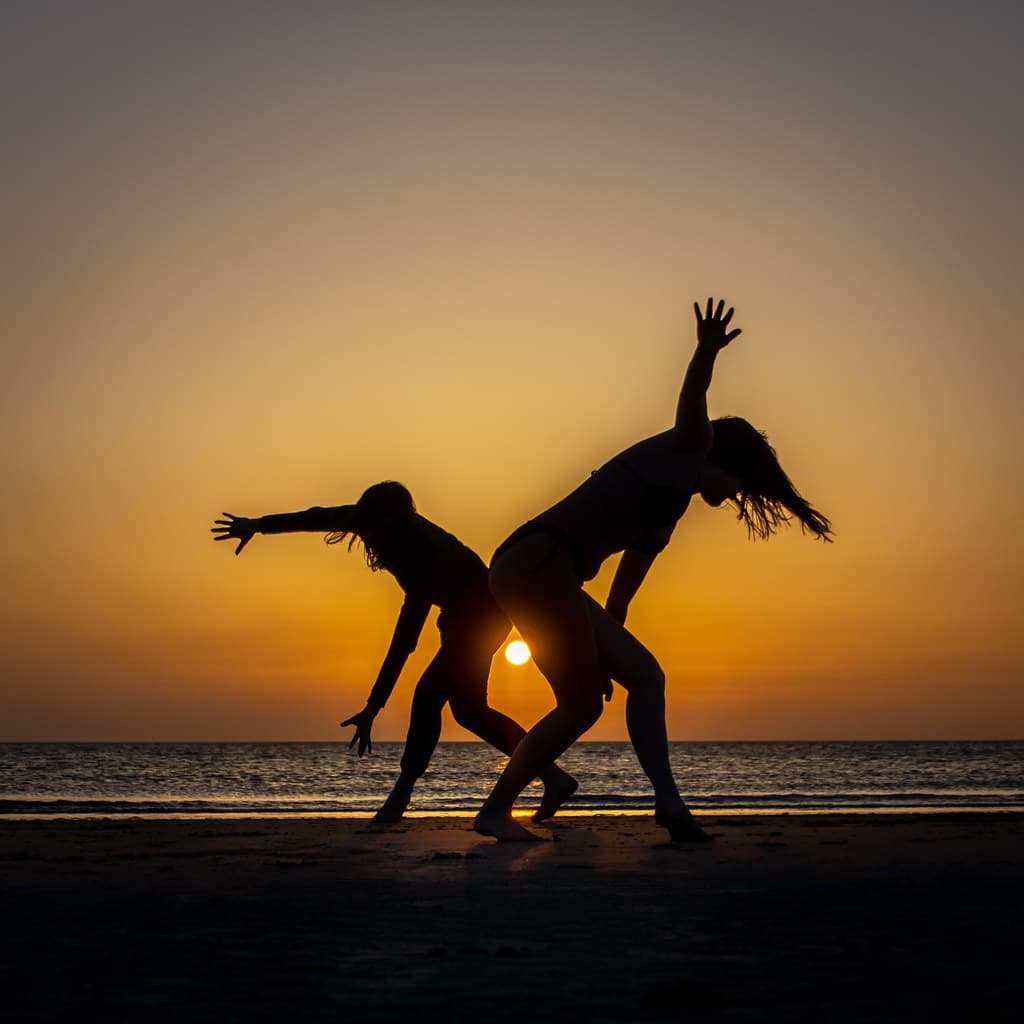
You climb the dune face on all fours, sand sliding beneath your palms, marram grass offering occasional handholds. At the crest the wind hits with force—a constant westerly that's been sculpting these formations for millennia. Below, the beach stretches north toward Juvre village, a ribbon of sand punctuated by driftwood sculptures the sea delivers and rearranges nightly. The photographic potential here borders on absurd. Every ridge catches light differently depending on the hour—harsh shadows at noon, golden warmth at sunset, blue mystery in the pre-dawn. You'll encounter tripod-wielding photographers stalking compositions, models in billowing fabric seeking that perfect windswept shot, or simply walkers stunned into silence by the scale. The dune system extends inland far enough that you can wander valleys and lose all sight of the sea. Fewer families venture this far north—the access requires commitment, and the dramatic topography challenges small children. That leaves the beach to serious walkers, landscape enthusiasts, and those seeking solitude that feels earned. At low tide the sand gleams like hammered metal, tidal channels creating abstract patterns that vanish twice daily. Seal colonies populate offshore sandbars; through binoculars you'll count dozens, their bodies dark commas against the pale flats.
Places, rentals, tours and events within walking and driving distance of Juvre Dunes Beach.
Photos
Juvre Dunes Beach faces the North Sea with conditions typical of Denmark's west coast, including variable winds, currents, and tides. Swimming is possible during calm periods, particularly in summer, but requires personal judgment as lifeguard services are typically unavailable at this remote northern beach. The dune-backed landscape provides some shelter from wind. Always check weather forecasts before visiting and avoid swimming during storms. Families should supervise children closely near the water. The beach's natural, undeveloped character means fewer safety amenities, so visitors must take full responsibility for their own safety when entering the water.
Juvre Dunes Beach is ideal from May through September when temperatures allow comfortable beach activities. The northern Rømø location ensures low crowd levels even during peak summer, perfect for solitude-seekers and photographers. Golden hour and sunset times offer spectacular light for the dramatic dune landscapes, making it particularly popular with Instagram enthusiasts. Weekdays and shoulder months like May-June and September provide the quietest experiences. Spring and autumn attract nature lovers for birdwatching and coastal walks. Winter visits reward hardy travellers with powerful, windswept scenery and near-total isolation, though weather limits most beach activities to walking and photography.
Reach Rømø via the causeway from Skærbæk on mainland Denmark. Drive north on the island toward Juvre, located in the northern section. The beach is accessible via local roads with parking available, though facilities are minimal given the area's undeveloped nature. Signage may be limited, so using GPS coordinates or a detailed map is advisable. The drive from the causeway takes roughly 20 minutes. Summer bus services on Rømø may reach northern areas, but schedules are infrequent. Cycling is feasible on flat terrain, though distances from southern entry points can be significant. Four-wheel-drive is unnecessary for standard access.
Juvre is a very small, undeveloped area with virtually no on-site commercial facilities. Visitors typically stay in holiday homes and vacation rentals scattered across northern Rømø, bookable through rental platforms. Nearby Lakolk offers more lodging options, restaurants, and a supermarket, approximately 5-10 minutes south by car. Campsites operate elsewhere on the island. The beach has no restaurants, shops, or services, so bring all necessary supplies including food, water, and sun protection. This remoteness appeals to travellers seeking authentic, uncommercialized coastal experiences. Self-catering accommodation suits the area's character best, allowing flexibility for beach picnics and independent exploration.
Juvre Dunes Beach features dramatic, undulating dune landscapes that create striking photographic compositions, especially during golden hour and sunset. The dune-backed setting provides textured foregrounds against open sea horizons, ideal for landscape and travel photography. Low visitor numbers mean uncluttered shots without crowds. The northern location offers raw, windswept coastal character distinct from more developed southern Rømø beaches. Natural grasses, sand formations, and changing light conditions throughout the day provide diverse visual opportunities. The beach's remote, preserved atmosphere appeals to visitors seeking authentic natural beauty and solitude, making it genuinely special for those who discover it beyond standard tourist routes.