Counting the waves…
Counting the waves…

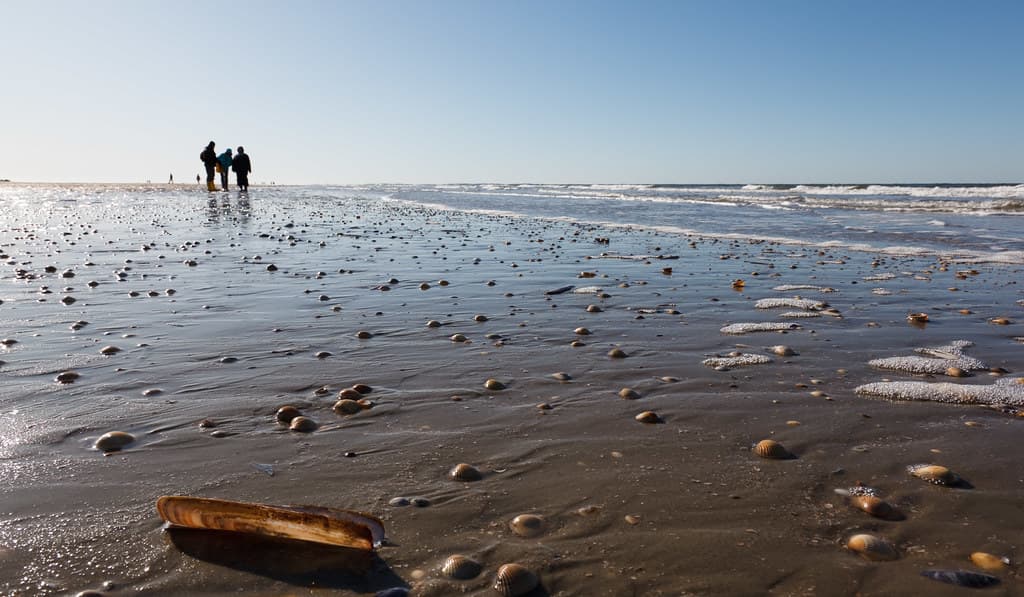
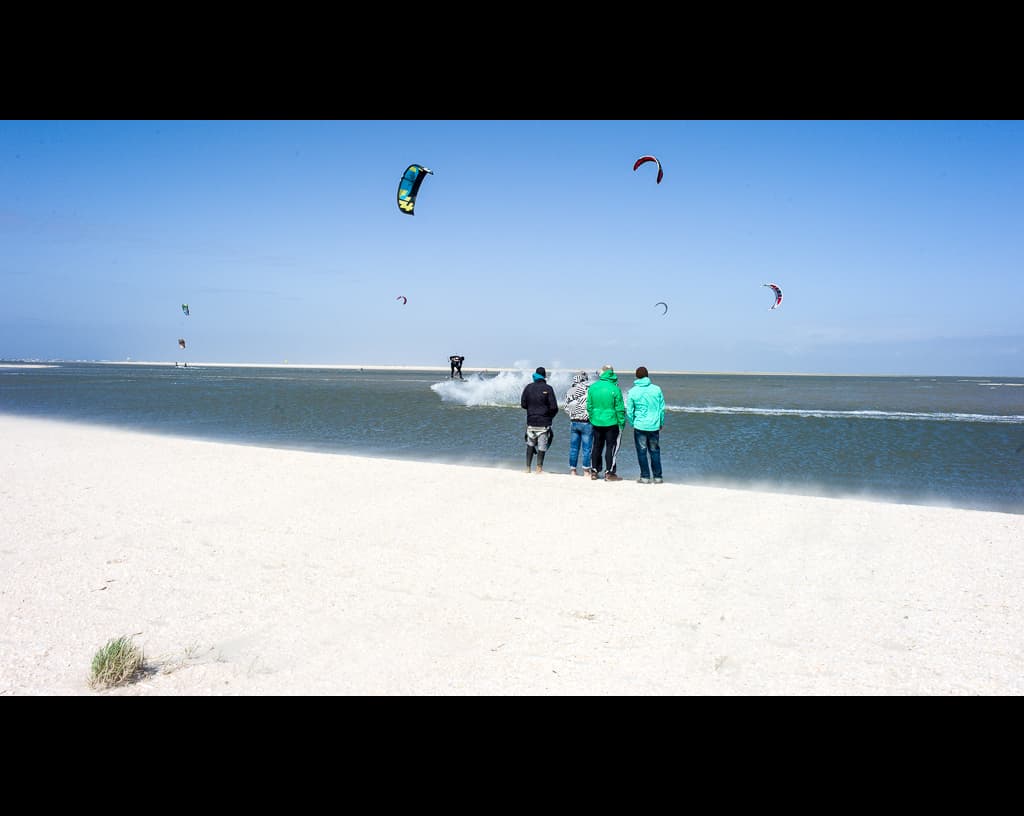
The sand at Juvre Strand is so firm you can drive for what feels like a kilometre before the tide line appears as a distant shimmer. This is northern Rømø, where the beach stretches nine kilometres wide at low tide and the sky dominates everything. Unlike the more popular Lakolk to the south, you'll find scattered groups of kite-flyers and solitary walkers, not beach umbrellas. The wind here is a constant companion, carrying the cries of oystercatchers and the hiss of sand sliding across dunes. You park wherever the hard-packed surface allows—there are no painted lines, just the shared understanding that the sea gets priority. Families set up windbreaks near the dune edge while you walk seaward, boots squelching through ribbons of tidal pools that mirror the mackerel sky. The light changes every ten minutes, painting the sandbars gold, then pewter, then amber. Come for the late afternoon, when the sun drops toward the German border and the entire strand glows. The tide retreats so far that wading birds appear as dark stitches along the waterline. In summer the beach stays light until nearly midnight; in autumn the storms arrive with theatrical drama, turning the whole expanse into a study in grey and silver. There's no boardwalk, no showers, no concession stand—just sand, wind, and the kind of space that makes you forget to check your phone.
Places, rentals, tours and events within walking and driving distance of Juvre Strand.
Photos
Swimming at Juvre Strand requires caution due to North Sea conditions. The beach experiences strong currents, shifting tides, and cool water temperatures even in summer. There are no lifeguards on duty, so swimmers should stay close to shore and supervise children closely. The wide, shallow tidal flats mean long walks to deeper water. Wind and wave conditions can change quickly on Denmark's west coast. Check local weather forecasts before visiting and avoid swimming during storms or high winds.
The best time to visit Juvre Strand is May through September for milder weather, though even summer can be breezy. For fewer crowds, visit weekdays or shoulder seasons (May-June, September) when the expansive beach feels even more remote. The northern location on Rømø means it attracts fewer visitors than popular Lakolk Beach year-round. Sunset viewing is spectacular throughout the year due to the west-facing orientation. Winter visits offer dramatic storm-watching but require warm, windproof clothing for the exposed coastal conditions.
Reach Juvre Strand by driving across the free Rømø Causeway (Rømødæmningen) from the mainland near Skærbæk. Once on Rømø island, follow signs northward toward Juvre; the beach is accessible by car along designated routes across the sand. Driving on the beach is permitted in marked areas—a unique Danish tradition. Public buses serve Rømø from nearby towns, though service is limited. Bicycles are popular for exploring the island's flat terrain. Parking directly on the sand is allowed in designated zones.
Juvre Strand itself has minimal facilities, reflecting its quiet, undeveloped character. Accommodation options include holiday homes, apartments, and campgrounds scattered across northern Rømø, primarily in nearby Juvre village. For restaurants and shops, visitors typically head to larger settlements like Havneby or Lakolk, both a short drive away. Many visitors bring picnics and supplies. The island has several grocery stores for self-catering. Limited seasonal cafés operate during summer months. Booking accommodation well in advance is recommended for peak summer weeks.
Juvre Strand distinguishes itself through exceptional solitude and vast horizons on Rømø's quieter northern coast. While Lakolk Beach attracts most visitors, Juvre offers expansive sand stretches with far fewer people, even in summer. The northern position provides slightly different dune landscapes and wildlife viewing opportunities. The sense of space is remarkable—you can walk for long distances seeing few other visitors. This beach suits those prioritizing tranquility and natural scenery over facilities and activities. The dramatic big-sky atmosphere feels particularly remote and meditative.