Counting the waves…
Counting the waves…

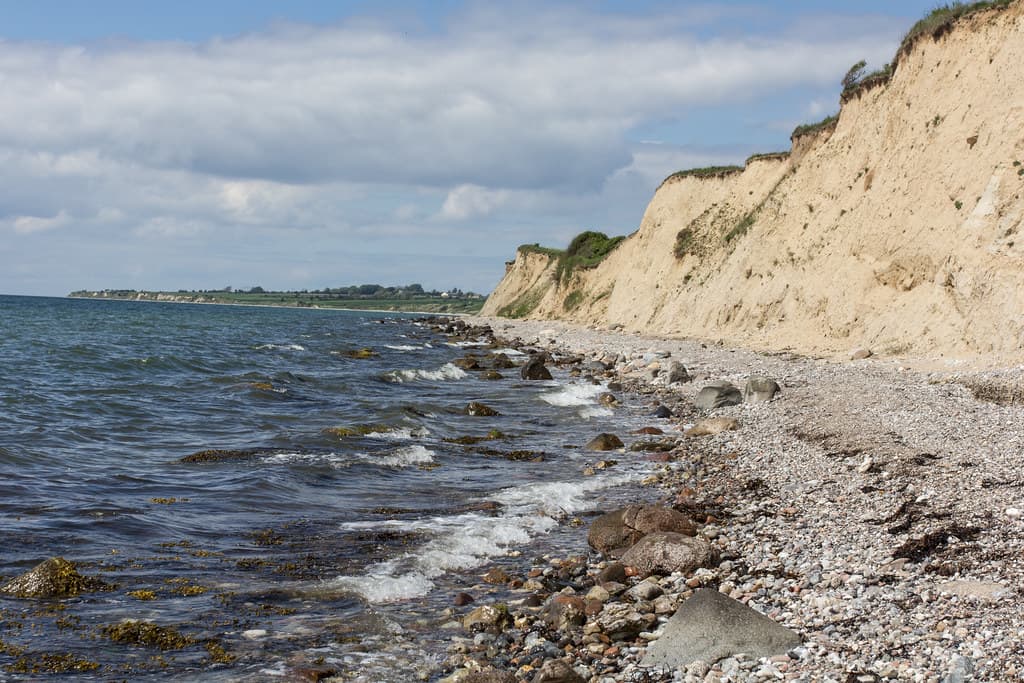
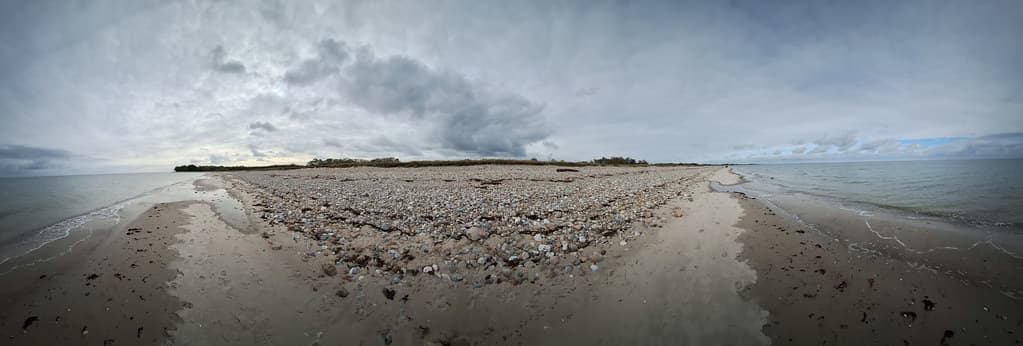
Bredsten Strand sits on the island of Kegnæs, a finger of land that juts into the Baltic between Als and the German border. You drive through farmland and past brick cottages before the road ends at a low dune system. The beach opens wide and flat, pale gold under skies that change by the hour—pewter one moment, milk-blue the next. Wind ripples the shallow water, and gulls wheel overhead in lazy arcs. There's no boardwalk, no vendor selling soft-serve, just sand that extends far enough to make other beachgoers feel optional. The shoreline curves gently, edged by low grasses that hiss in the breeze. At low tide, sandbars emerge, and you can wade out until the water barely reaches your knees. Driftwood lies bleached along the wrack line, and in the distance, sailboats tack slowly across the strait. The silence here is profound—broken only by the soft crash of waves and the occasional cry of an oystercatcher. This is not a beach for drama. It's for long walks with no destination, for sitting on a blanket with a thermos, for watching light play across water. The emptiness is the point. You come here to reset, to breathe salt air, to remember what it feels like when the world expands instead of closing in.
Places, rentals, tours and events within walking and driving distance of Bredsten Strand.
Photos
Swimming at Bredsten Strand is generally safe, with calm Baltic Sea waters typical of the sheltered Kegnæs peninsula. The beach has a gentle sandy entry and shallow areas suitable for wading. There are no lifeguards on duty, so swimmers should exercise caution and supervise children closely. Water quality is typically good in this less-developed area. The remote location means fewer people and potential help in emergencies, so swim within your abilities. Weather conditions on this exposed peninsula can change, so check forecasts and observe sea conditions before entering the water.
Bredsten Strand is best visited from May through September when temperatures are mild and days are long. The beach remains quiet throughout the year, making any time suitable for those seeking solitude. Summer months (June-August) offer the warmest water and weather for swimming and sunbathing. Spring and autumn provide excellent conditions for nature walks and bird watching, with dramatic skies and minimal crowds. Weekdays are particularly peaceful. The island's exposed location means wind can be a factor, so check weather forecasts. Winter visits appeal to storm watchers and solitude seekers.
Bredsten Strand is located on the Kegnæs peninsula, accessible by car from mainland Als. From Sønderborg, drive south on Route 8, then follow signs toward Kegnæs via Høruphav. The peninsula is connected by road, making it a straightforward drive. Once on Kegnæs, follow local signage to Bredsten. A car is essential as public transportation to this remote area is very limited. Parking is available near beach access points. The journey from Sønderborg takes approximately 30-40 minutes. The island's small roads are well-maintained but rural in character.
Kegnæs is a remote, sparsely populated peninsula with very limited commercial facilities. There are no restaurants or shops directly at Bredsten Strand. Visitors should bring food and supplies from Sønderborg or Høruphav before arriving. Accommodation consists mainly of private holiday homes and vacation rentals scattered across Kegnæs, offering peaceful rural stays. The nearest services are in Høruphav or Sønderborg town. Many visitors treat Bredsten Strand as a day trip destination, packing picnics to enjoy the remote setting. Plan ahead and be self-sufficient when visiting this isolated beach.
Bredsten Strand offers a genuinely remote, end-of-the-world feeling rare in accessible Denmark. Its location on the Kegnæs peninsula creates expansive sky views and a sense of isolation, with wide horizons across the Baltic. The beach sees very few visitors even in summer, providing true solitude. The surrounding landscape is flat and windswept, creating dramatic scenery particularly at sunrise and sunset. This is a beach for contemplative walks, nature observation, and escaping crowds rather than facilities and activities. The island setting and minimal development preserve an untouched coastal character increasingly rare in Europe.