
Counting the waves…
Counting the waves…
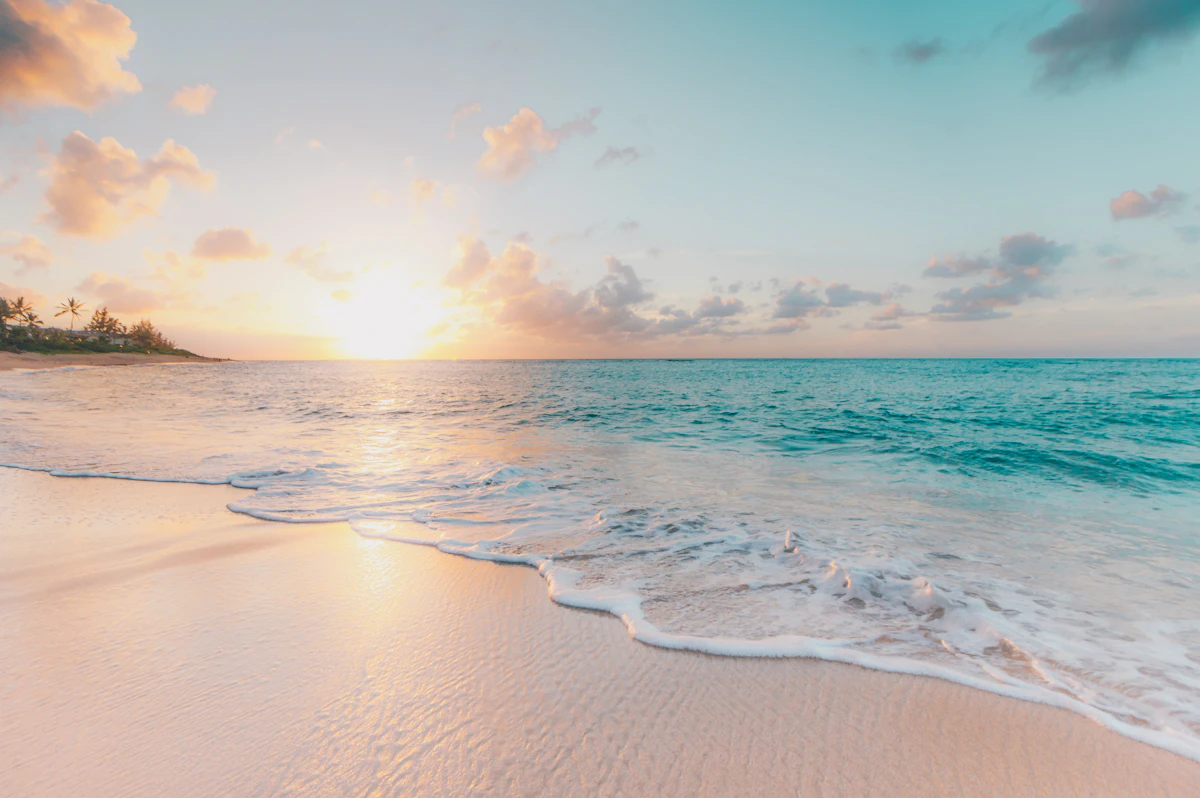
The causeway opens only when the Wadden Sea retreats, leaving a narrow window to reach Mandø—a tidal island barely three kilometers wide where forty residents share their dunes with oystercatchers and harbor seals. You board the tractor-bus at Vester Vedsted, bumping across exposed seabed ribbed with tide channels, gulls circling the wooden trailer as North Sea brine mists your face. The journey itself is theater: vast mudflats glinting under low Danish sky, the hum of the diesel engine, the knowledge that in six hours the road you're crossing will lie beneath two meters of saltwater. Mandø Strand unfurls along the island's western flank, a broad apron of blond sand where the wind never stops and the only footprints belong to shore birds. Marram grass shivers in the dunes. The air tastes of iodine and sea lettuce. You walk for twenty minutes without seeing another soul, the tide line decorated with crab shells and kelp ribbons, the horizon unbroken except for the dark smudge of neighboring Fanø across the channel. This is the Wadden Sea National Park at its most elemental—no cafés, no lifeguard towers, just sediment and sky and the pull of lunar rhythms. You check the tide table twice. The tractor-bus returns on schedule, and missing it means spending an unplanned night in Denmark's smallest commune, where the grocery closes at four and the inn serves dinner only if you've booked ahead.
Places, rentals, tours and events within walking and driving distance of Mandø Strand.
Photos
Swimming at Mandø Strand is generally not recommended and requires extreme caution due to the Wadden Sea's complex tidal system. Strong currents, rapidly changing water levels, and mudflats create hazardous conditions. The beach is primarily valued for its unique tidal landscape rather than swimming. Visitors can wade in shallow areas during appropriate tidal windows, but must be constantly aware of tide schedules to avoid being stranded. There are no lifeguard services. The remote location means emergency assistance is far away. Always consult local tide tables before any water activities.
The best time to visit Mandø Strand is during low tide windows when the causeway to the island is passable, typically twice daily—timing varies with tidal cycles. Summer months (June-August) offer the most comfortable weather for exploring the tidal landscapes. Spring and autumn provide excellent bird-watching during migration seasons in the Wadden Sea National Park. Visit midweek for fewer crowds, as this remote beach attracts minimal visitor numbers year-round. Check tide schedules carefully before planning your trip, as access is impossible during high tide when the causeway floods.
Reaching Mandø requires crossing a tidal causeway from the mainland near Vester Vedsted, passable only during low tide windows—typically about three hours before and after low tide. A tractor-bus service operates for those without vehicles during accessible periods; advance booking is essential. Private vehicles can cross but require careful tide timing and acceptance of risks. The causeway floods completely at high tide. Alternatively, boat services operate in summer. Check official tide schedules before traveling, as miscalculation can strand visitors for hours. The remote access is part of the island's unique appeal.
Mandø island has very limited facilities reflecting its tiny population of around 30 permanent residents. A small inn offers basic accommodation and meals, but capacity is extremely limited and advance booking is essential. Most visitors stay on the mainland in towns like Ribe (Denmark's oldest town) and make day trips to Mandø during low tide windows. Bring food and water, as no shops exist on the island. The mainland offers full services including hotels, restaurants, and grocery stores. The remote nature is intentional—Mandø is about experiencing unspoiled nature.
Mandø Strand offers a truly unique tidal-island beach experience within the UNESCO-listed Wadden Sea National Park. Unlike typical beaches, access depends entirely on tidal schedules, creating a sense of adventure and remoteness. The landscape constantly transforms between expansive mudflats and water-covered areas. Wildlife viewing is exceptional, particularly for birds and seals. The tiny island population and minimal development preserve an authentic, unspoiled character. This isn't a beach for conventional sunbathing but rather for experiencing one of Europe's most important natural wetland ecosystems in near-solitude.