
Counting the waves…
Counting the waves…
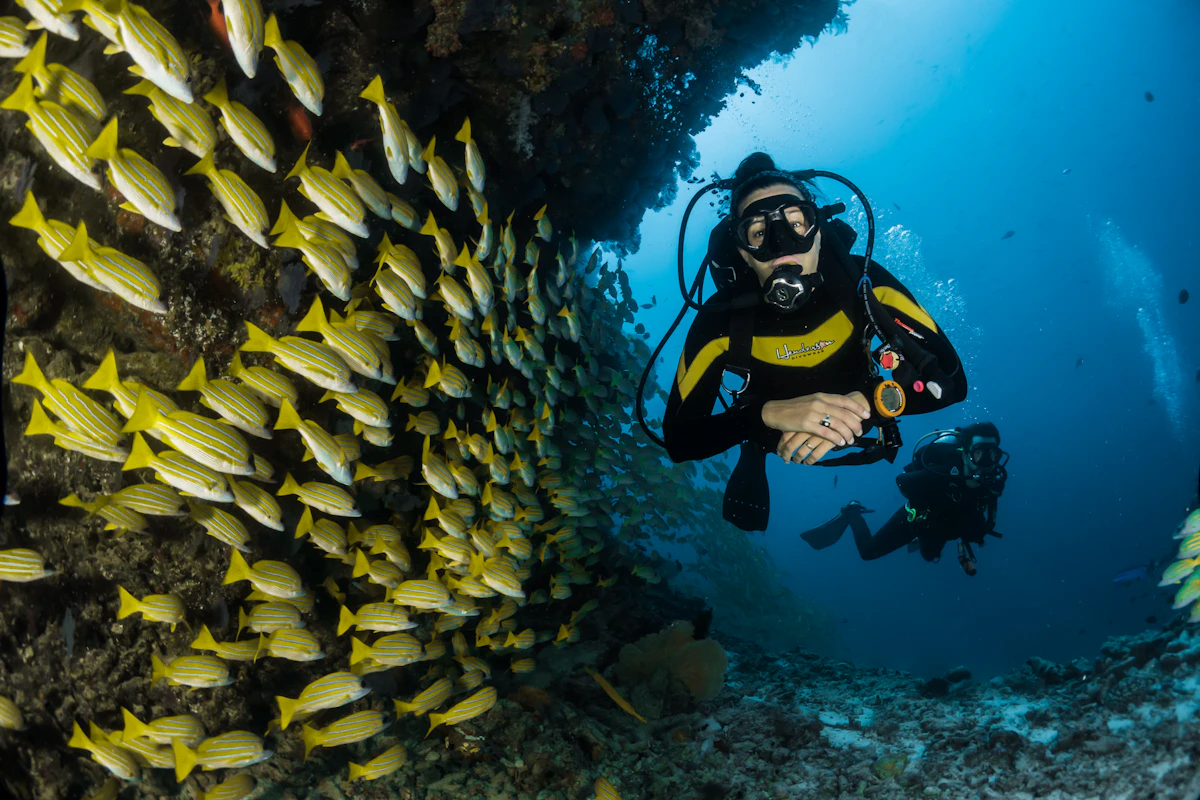
The shoreline here is a staging ground, not a destination—a ribbon of beige sand where you'll zip your wetsuit and wade into water the color of lapis lazuli. Behind you, the Eastern Desert rises in ochre folds; ahead, the reef breaks the surface a boat ride away, its coral towers dropping 130 feet into open ocean. You'll feel the wind coming off the Sahara, warm and dry, as you wait for the zodiac that will ferry you to the plateau where surgeonfish spiral in silver tornados. This is one of Egypt's most isolated stretches of coast. No boardwalks, no sunbeds—just a handful of dive operators who've built simple lodges from cinder block and driftwood. You'll eat grilled mackerel under a thatched shelter, the fish caught that morning from the same waters you just explored. At night, the Milky Way sprawls overhead with such clarity you'll see the dust lanes threading through its core. The locals call the reef Abu Hamra—the father of red—for the soft corals that bloom in crimson clouds along its walls. You'll remember the silence between dive briefings, the way the horizon stretches unbroken for miles, the sense that you've found a pocket of the Red Sea that hasn't yet been repackaged for consumption.
Places, rentals, tours and events within walking and driving distance of Elphinstone Reef Beach.
Photos
Elphinstone Reef Beach requires caution and is best suited for experienced swimmers and divers. The reef itself is located offshore and accessed primarily by boat for diving, as it sits in open water with strong currents and deep drop-offs. The beach area on shore offers safer swimming conditions in calmer, shallower waters. However, currents can be unpredictable, and conditions change with weather and tides. If diving at Elphinstone Reef, always go with licensed operators and respect safety briefings. The secluded beach location means limited emergency services, so exercise appropriate caution and stay within your skill level.
The best time for diving at Elphinstone Reef and enjoying the beach is during calmer weather periods, typically March through May and September through November. These months offer stable conditions with moderate winds and good visibility. Summer months can be very hot but provide excellent underwater visibility and calmer seas. Winter brings cooler temperatures and potentially stronger winds and currents, making reef diving more challenging. For fewer crowds and a secluded experience, visiting during weekdays or shoulder seasons is ideal. Weather conditions should always be checked before planning diving excursions, as the exposed reef location is weather-dependent.
Accessing Elphinstone Reef typically involves boat trips from Marsa Alam, as the reef sits approximately 9-12 kilometers offshore. Dive centers and liveaboard operators organize regular trips to the reef. The beach area associated with Elphinstone is along the coast south of Marsa Alam, accessible by car or taxi along the coastal highway. Travel time from Marsa Alam town varies depending on the specific coastal access point, generally 30-60 minutes. Most visitors combine reef diving with beach time as part of organized excursions. Independent access to the offshore reef is not recommended due to distance and conditions.
The secluded beach areas near Elphinstone access points have very limited or no facilities. Visitors should bring all necessary food, water, and supplies for day trips. Accommodation is available in Marsa Alam town and surrounding coastal resort areas, ranging from budget guesthouses to luxury resorts. Dive-focused resorts and liveaboard boats cater specifically to those diving Elphinstone Reef, often including meals and transfers. Most divers stay in Marsa Alam and take day boats to the reef. For multi-day diving, liveaboard boats offer comprehensive packages including accommodation, meals, and multiple reef dives with all facilities onboard.
Elphinstone Reef is legendary among divers for its dramatic underwater topography, pristine coral walls, and exceptional marine life encounters. The isolated offshore reef plateau drops steeply into deep blue water, attracting pelagic species including hammerhead sharks, oceanic whitetip sharks, and manta rays. The reef's exposed location and strong currents create nutrient-rich conditions supporting vibrant soft corals and large fish populations. Its distance from shore has protected it from over-diving, maintaining exceptional reef health. For experienced divers, the combination of big animal encounters, stunning coral formations, and thrilling drift diving makes Elphinstone one of the Red Sea's most iconic dive destinations.