
Counting the waves…
Counting the waves…
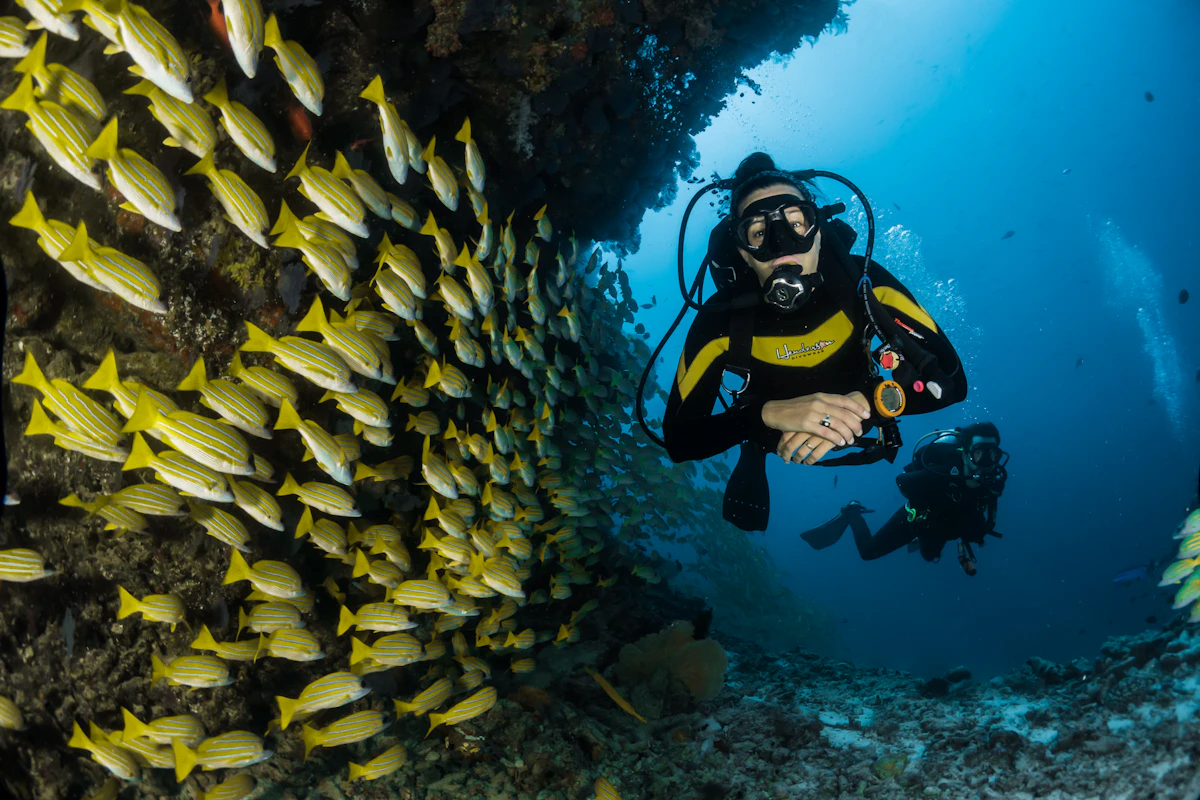
The approach to Sharm El Luli delivers theater: a rough desert track that reveals nothing until the final turn, when the coastline opens into two crescent bays separated by a rocky peninsula. The southern cove holds the famous shallows—water so transparent you'll count your toes at chest depth, the sand beneath radiating white light back through the water column. Every photograph looks oversaturated, yet you're witnessing simple physics: calcium carbonate sand reflecting the full spectrum of sunlight through mineral-free seawater. Wading into the northern bay, you'll feel the sand's unusual texture—fine enough to suspend briefly in the current, creating milky clouds around your ankles before settling again. The reef begins abruptly about sixty meters offshore, marked by a visible color shift from pale aqua to deep indigo. Snorkelers gather at this boundary, where sergeant majors and butterflyfish congregate in the shallows while larger groupers lurk in the coral heads farther out. Sea grass beds between shore and reef rustle with juvenile fish and the occasional ray. By midday, tour groups claim the shade structures, transforming the southern beach into a social scene. The northern cove remains quieter, its deeper approach deterring casual waders. Desert mountains behind the beach glow amber in afternoon light, their barren slopes contrasting sharply with the vivid waterline. Rangers patrol to prevent coral damage and litter, maintaining the improbable cleanliness that makes these colors possible.
Places, rentals, tours and events within walking and driving distance of Sharm El Luli.
Photos
Sharm El Luli is generally safe for swimming, with calm, clear waters protected by surrounding reefs. The bay offers shallow areas suitable for beginners and families. However, be cautious of sharp coral and sea urchins near the reef edges. Always wear water shoes and avoid touching marine life. During windy periods, currents can strengthen, so check conditions before entering. Lifeguards are not always present, so swim within your abilities and keep children supervised at all times.
The best time to visit is during spring (March-May) and autumn (September-November) when temperatures are comfortable, ranging from 25-30°C, and winds are calmer. Summer months (June-August) can be extremely hot, exceeding 40°C, though water remains inviting. Winter (December-February) offers pleasant weather but occasional winds. Water visibility is excellent year-round. Weekends and Egyptian holidays can be crowded, so weekdays offer a more peaceful experience. Early morning visits provide the best light for photography and fewer visitors.
Sharm El Luli is located approximately 60 kilometers south of Marsa Alam town along the coastal highway. The most common option is hiring a taxi or arranging a private transfer, which takes about 45-60 minutes. Many hotels and dive centers offer organized day trips including transportation. If renting a car, follow the coastal road southbound; the beach is well-signposted. The access road is paved but may have rough patches. Entry requires a small fee paid at the gate. No public transportation directly serves this beach.
Sharm El Luli has minimal on-site facilities. There's typically a basic beach café or kiosk selling drinks, snacks, and simple meals, but options are limited and quality varies. It's highly recommended to bring your own food, water, and snacks for the day. No accommodation exists directly at the beach. Visitors stay in Marsa Alam town or surrounding resort areas, where numerous hotels and guesthouses cater to all budgets. Most treat Sharm El Luli as a day-trip destination, combining beach time with meals back at their accommodation.
Sharm El Luli stands out for its exceptionally clear turquoise waters and pristine white sand beaches framed by dramatic desert mountains. The protected bay creates a stunning natural lagoon with vibrant coral reefs visible from the shore. The contrast between the stark desert landscape and brilliant blue water creates breathtaking scenery, making it one of the most photographed beaches in the region. The relatively undeveloped setting maintains a natural, unspoiled atmosphere. The combination of easy shore access to healthy reefs and spectacular natural beauty makes it genuinely special.