Counting the waves…
Counting the waves…
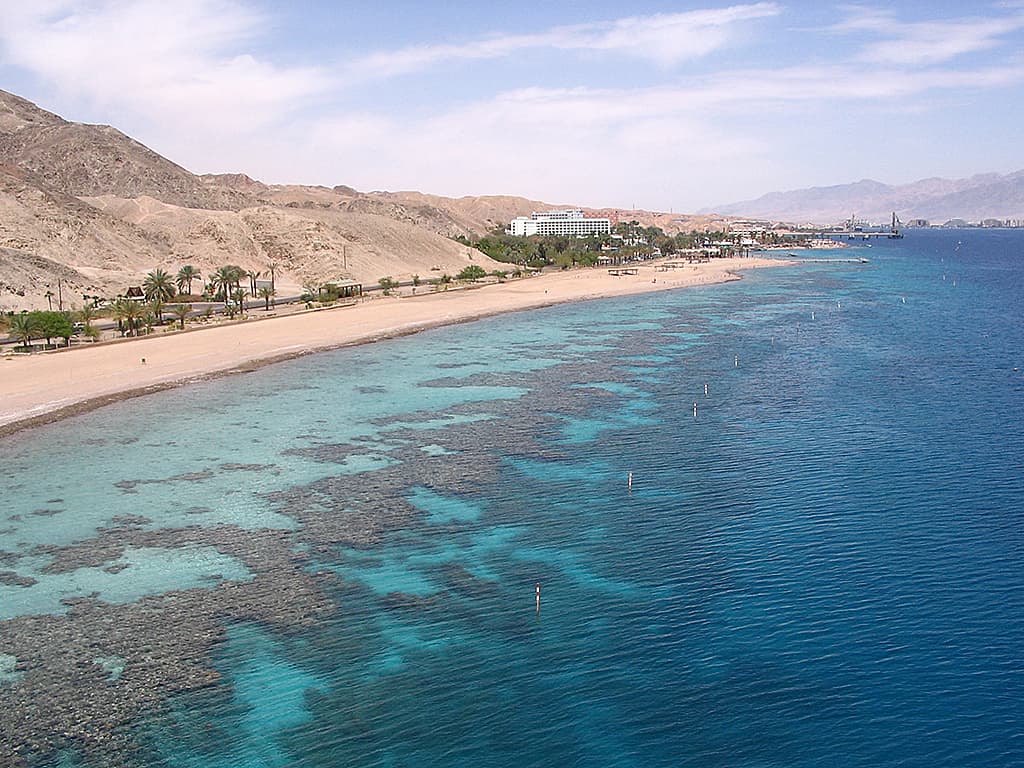
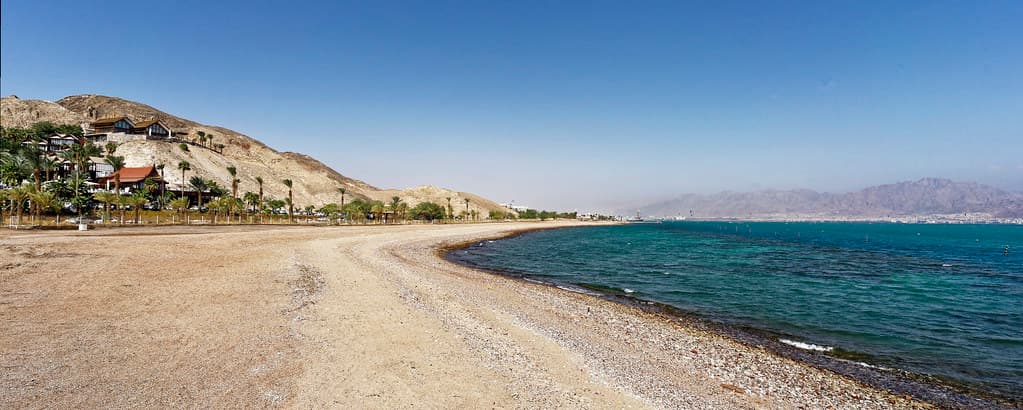
The sand here holds warmth long after sunset, fine-grained and pale gold, packed firm near the waterline where small waves collapse in rhythmic whispers. You'll spread your towel in the shadow of date palms that rustle in the Gulf breeze, the fronds casting dappled patterns across your shoulders. Within minutes of entering the water, you'll be finning over coral formations so close to shore you could walk back to your towel in thirty seconds—if you could bring yourself to leave. The reef drops away in terraced plateaus, each level crowded with a different ecosystem. Sergeant majors dart through staghorn branches; moray eels peer from crevices with unblinking eyes. You'll hover above a garden of brain coral, each polyp the size of your fist, watching a Napoleon wrasse glide past with the slow confidence of something that has no predators. The water temperature hovers near 78 degrees, comfortable enough that you'll lose track of time, surfacing only when your fingers prune. Local legend ties this beach to the pharaoh's pursuit of Moses, though historians place that event further south. What matters is the name has stuck, lending the coastline a mythic weight. You'll sit at a beachside café after your swim, salt drying on your skin, eating fresh-caught bouri with lemon squeezed over the flesh, watching the mountains turn purple as the sun drops behind them.
Places, rentals, tours and events within walking and driving distance of Pharaoh's Beach.
Photos
Swimming at Pharaoh's Beach is generally safe, with clear, calm waters typical of the Red Sea region. The sandy bottom makes entry easier, though some areas may have coral or rocks, so water shoes are recommended. The beach is known for snorkeling, indicating good visibility and marine life. Always be mindful of boat traffic in the area and stay within designated swimming zones. Strong currents are uncommon but can occur, so check conditions locally. Supervise children at all times and avoid touching coral or marine life.
The best weather at Pharaoh's Beach occurs from March to May and September to November, when temperatures are warm but not extreme, ranging from 25-30°C. These periods offer ideal conditions for beach activities and snorkeling with comfortable water temperatures. Summer (June-August) can be very hot, exceeding 40°C, though the sea remains inviting. Winter (December-February) is mild with cooler evenings but still pleasant for daytime beach visits. Water visibility for snorkeling is typically excellent year-round in the Red Sea.
Pharaoh's Beach is located in Taba City, near the Israeli border in South Sinai. The nearest airport is Taba International Airport, just a few kilometers away, though flight availability can be limited. Alternatively, fly to Sharm el-Sheikh (approximately 200km south) and arrange ground transportation. Many visitors arrive by organized tours or resort transfers. Taxis and private cars are available from nearby towns. If crossing from Israel, the Taba Border Crossing is very close. Most resorts in Taba offer shuttle services to their beach areas.
Taba offers several resort hotels and beachfront properties that provide all-inclusive packages with restaurants, bars, and direct beach access. These resorts typically feature multiple dining venues serving international and local cuisine. Standalone restaurants are limited outside resort complexes, so many visitors opt for hotel meal plans. Nearby Taba City has some local eateries offering Egyptian dishes. For more dining variety, some travelers take day trips to Nuweiba. Accommodation ranges from mid-range to luxury resorts, with beach access being a common feature.
Pharaoh's Beach derives its name from the region's ancient Egyptian heritage and proximity to historical sites in the Sinai Peninsula. The Taba area has witnessed various historical periods, from ancient Egypt through Biblical times to modern history. While the beach itself isn't an archaeological site, its name evokes the rich cultural heritage of the region. The nearby Pharaoh's Island (Coral Island) features Crusader fortress ruins and is a popular excursion. The combination of historical associations and natural beauty makes this beach culturally significant for visitors interested in Egypt's past.