Counting the waves…
Counting the waves…

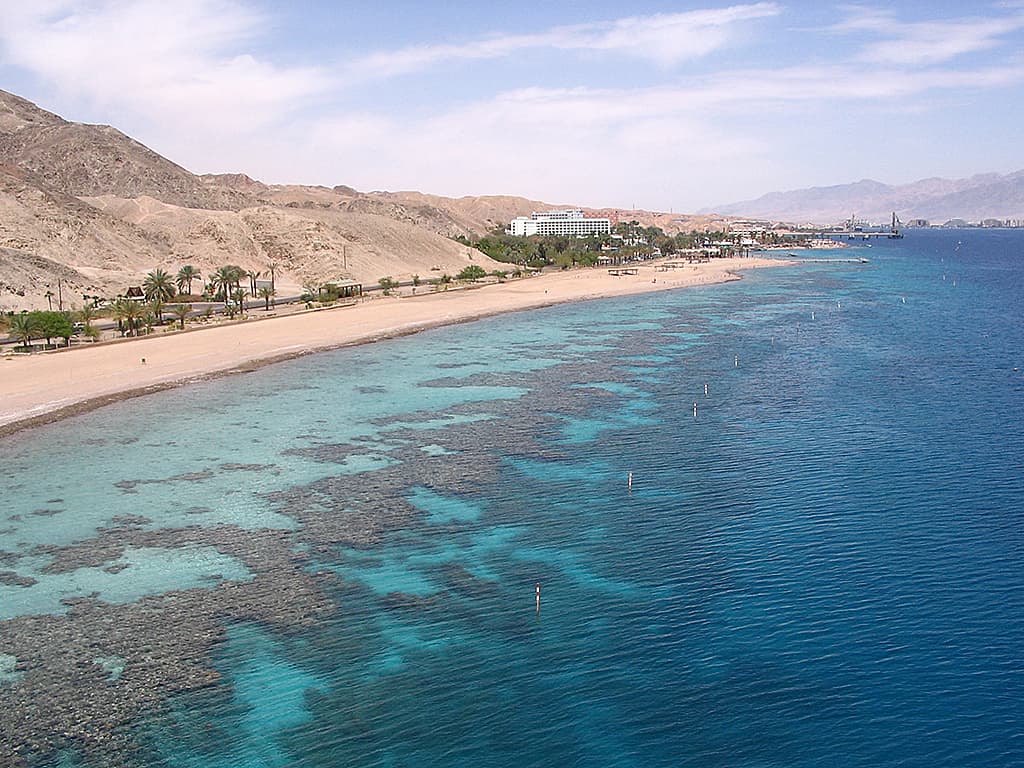
The Blue Hole announces itself from the road: a break in the reef shelf where the turquoise shallows suddenly darken to cobalt. You'll climb down over rocks worn smooth by a decade of divers' booties, entering water that's deceptively calm at the surface. The hole itself is roughly 200 feet across, its walls descending vertically into a void that has claimed over 130 divers. Memorial plaques dot the entry rocks, testaments to the seductive pull of the deep. Stay shallow and the Blue Hole is simply spectacular snorkeling. You'll float above gardens of soft coral, watching schooling fusiliers form silver clouds that shift and reform in response to unseen cues. The wall is a vertical aquarium: lionfish perch on ledges, their venomous spines fanned like Victorian collars; cleaner wrasse operate their stations, servicing groupers twice their size. At 90 feet, an archway called The Arch tunnels through the reef wall to the open ocean—a passage that looks deceptively simple but requires technical skill and nerve to navigate safely. The beach community here is small and specific: freedivers pushing their breath-hold limits, technical divers planning decompression profiles on slates, instructors leading nervous students through their first deep dives. You'll sit at beachside cafés where the talk is all nitrogen narcosis and dive computers, watching kiteboarders carve across the shallows to the north. The Sinai mountains rise behind you, barren and biblical, indifferent to the human dramas playing out in the water below.
Places, rentals, tours and events within walking and driving distance of Blue Hole Beach.
Photos
Blue Hole Beach offers safe swimming in shallow areas, but the site is famous for its deep underwater sinkhole that requires caution. For recreational swimmers staying near shore, conditions are generally safe. However, the Blue Hole itself is a technical dive site with depths exceeding 100 meters and has claimed lives due to its challenges. Only experienced, properly certified divers should attempt deep dives here, preferably with local guides. Snorkeling around the reef edges is safe and rewarding. Always respect warning signs, never dive beyond your certification level, and use reputable dive operators.
To enjoy Blue Hole Beach with fewer crowds, visit during weekdays and avoid Egyptian holidays and peak summer months (July-August). The shoulder seasons of March-April and October-November offer pleasant weather with reduced visitor numbers. Early morning visits before 10 AM or late afternoon after 3 PM tend to be quieter as most tour groups arrive mid-day. Winter months (December-February) see fewer tourists overall, though the area never becomes extremely crowded due to its remote location. The beach's hidden nature means it's generally less busy than mainstream Sinai beaches.
Blue Hole Beach is located approximately 80-90 kilometers north of Dahab, not immediately near Taba City center. Most visitors base themselves in Dahab and arrange transportation from there, taking about 15-20 minutes by taxi or organized tour. From Taba, you'll need to drive south along the coastal road for roughly 2 hours. Rental cars, private taxis, or dive center transportation are common options. The road is generally well-maintained but remote. Many visitors combine the trip with stops at other Sinai attractions. Always arrange return transportation in advance.
Blue Hole Beach has limited on-site facilities, with a few basic Bedouin-style cafes and restaurants offering simple meals, fresh seafood, tea, and refreshments. Accommodation directly at the beach is minimal, consisting mainly of basic camps or beach huts. Most visitors stay in Dahab, about 15-20 kilometers south, where numerous hotels, hostels, guesthouses, and restaurants cater to all budgets. Dahab offers everything from budget backpacker lodging to comfortable resorts. For a full beach day, bring water and snacks, though basic provisions are available on-site.
Blue Hole Beach is renowned for its dramatic underwater sinkhole formation, one of the world's most famous dive sites. The hole drops vertically over 100 meters, creating a unique geological feature surrounded by vibrant coral reefs. For snorkelers, the shallow reef areas surrounding the hole offer spectacular coral gardens and abundant marine life without entering the deep sections. The site's unique topography includes the 'Arch,' a challenging underwater tunnel. The combination of accessible reef snorkeling and world-class technical diving in one location makes it exceptional, though it demands respect and proper safety precautions.