Counting the waves…
Counting the waves…
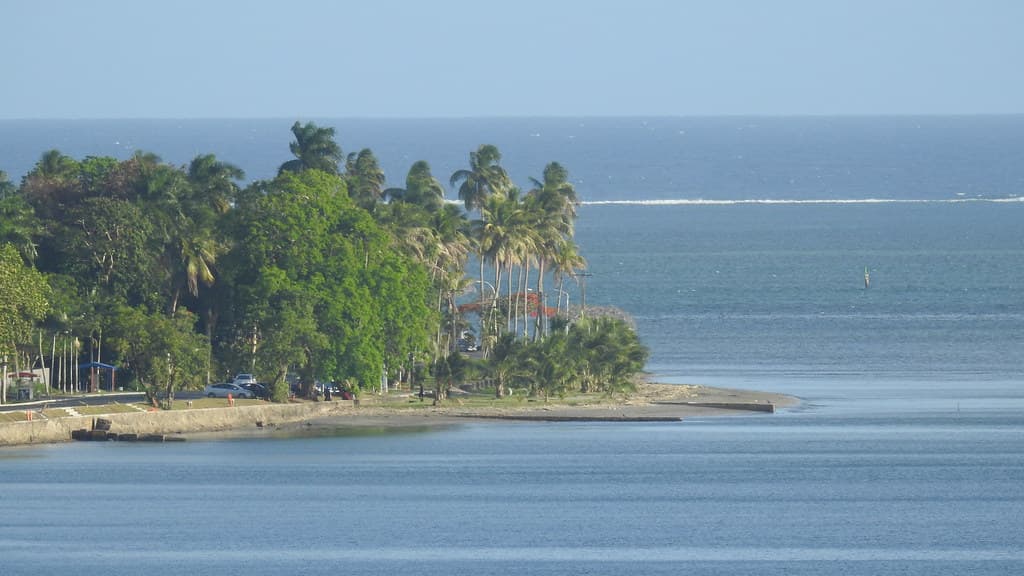
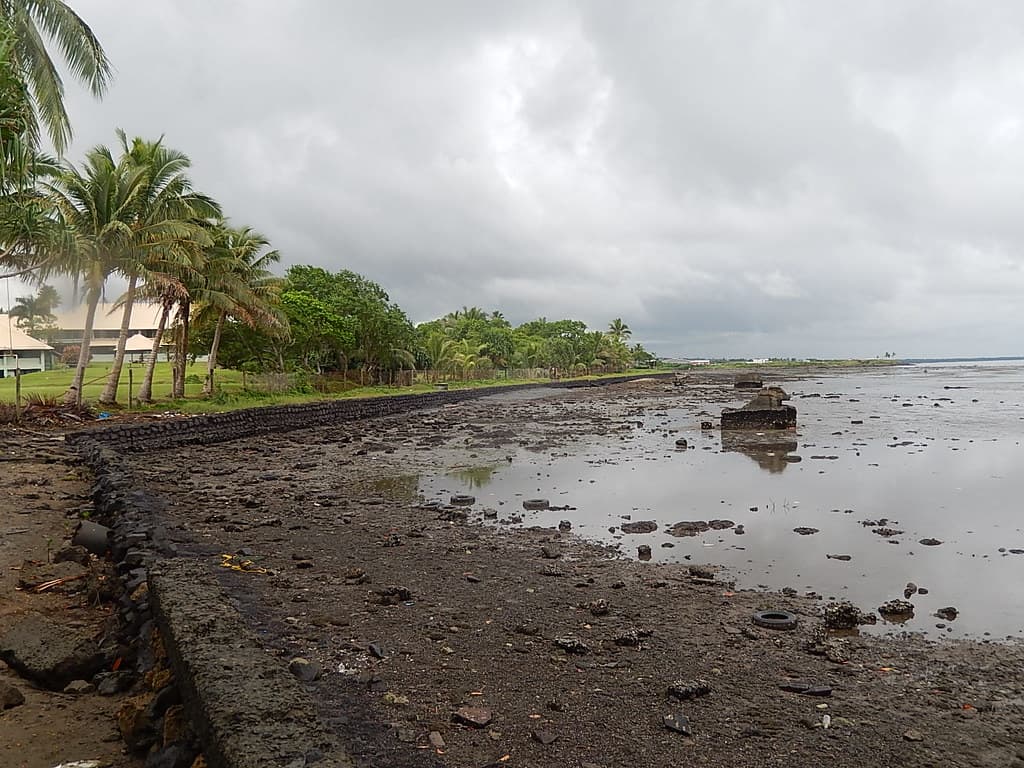
The sand here is charcoal-gray, pressed against a seawall where families spread blankets on weekend afternoons. Coconut palms lean at improbable angles above picnic tables, their fronds catching the trade winds that push whitecaps across the reef line. You'll hear Fijian and Hindi conversations blending with the percussion of waves meeting rock, while fruit bats trace slow circles overhead as daylight fades. This is functional coastline—the beach where office workers pause before heading home, where teenage couples share chips from the corner store, where grandmothers wade knee-deep in their Sunday dresses. The water shifts from jade to pewter depending on cloud cover, and the harbor traffic of container ships and inter-island ferries slides past the horizon. No one pretends this is wilderness. Sunset pulls the city to the waterline. The sky ignites in bands of copper and violet behind the Suva skyline, and suddenly the seawall fills with photographers, joggers, and families who've timed dinner to catch this exact light. The air cools, the tide climbs the rocks, and you realize you're watching a city exhale at the edge of the ocean.
Places, rentals, tours and events within walking and driving distance of Laucala Beach.
Photos
Laucala Beach is primarily a foreshore recreation area rather than a swimming beach. The water is generally calm but urban runoff and harbour proximity affect water quality, especially after rain. Local families use the area more for paddling and beach activities than serious swimming. The seawall and foreshore development mean natural beach access is limited in places. If you do swim, stay close to shore and be mindful of boat traffic in the area. For better swimming conditions, consider beaches outside the immediate Suva harbour area where water quality is typically higher.
Late afternoon and weekends are popular times when locals gather for recreation, jogging, and socializing along the foreshore. Early mornings offer peaceful conditions for walks and exercise with fewer crowds. The beach is accessible year-round without major seasonal variations. Sunset visits can be pleasant for the atmosphere and views across the water. Since it's an urban coastal area, the experience is consistent throughout the year. Weekday mornings tend to be quietest if you prefer a more tranquil visit, while weekend afternoons provide the liveliest local atmosphere and community vibe.
Laucala Beach is located on the eastern side of Suva Peninsula, approximately 3-4 kilometres from the city centre. Local buses service the Laucala Bay area regularly and inexpensively. Taxis are readily available and affordable for the short journey. If you're staying in central Suva, it's about a 10-15 minute drive depending on traffic. The area is also accessible by foot if you're staying nearby, with footpaths along much of the route. Ask for Laucala Bay or the University of the South Pacific area, as the beach runs along this neighbourhood.
The Laucala Bay area has local shops, small cafes, and takeaway outlets serving Fijian and Indo-Fijian cuisine. Being close to the University of the South Pacific, there are budget-friendly food options popular with students. For more extensive dining, central Suva is only a short taxi ride away with numerous restaurants and cafes. Accommodation in the immediate Laucala Beach area is limited, with most hotels and guesthouses located in central Suva. Some residential homestays or small guesthouses may be available nearby, but most visitors base themselves in Suva proper.
Laucala Beach serves as a neighbourhood recreation hub for one of Suva's established residential areas, offering insight into urban Fijian coastal lifestyle. The proximity to the University of the South Pacific gives it a slightly different demographic mix than other city beaches. The foreshore is popular for jogging, exercise, and evening gatherings among locals. It's less about pristine beach recreation and more about community coastal space integrated into daily urban life. For travellers, it represents authentic Suva living rather than a tourist beach, valuable for understanding how Fijians in the capital interact with their coastline.