

Counting the waves…
Counting the waves…
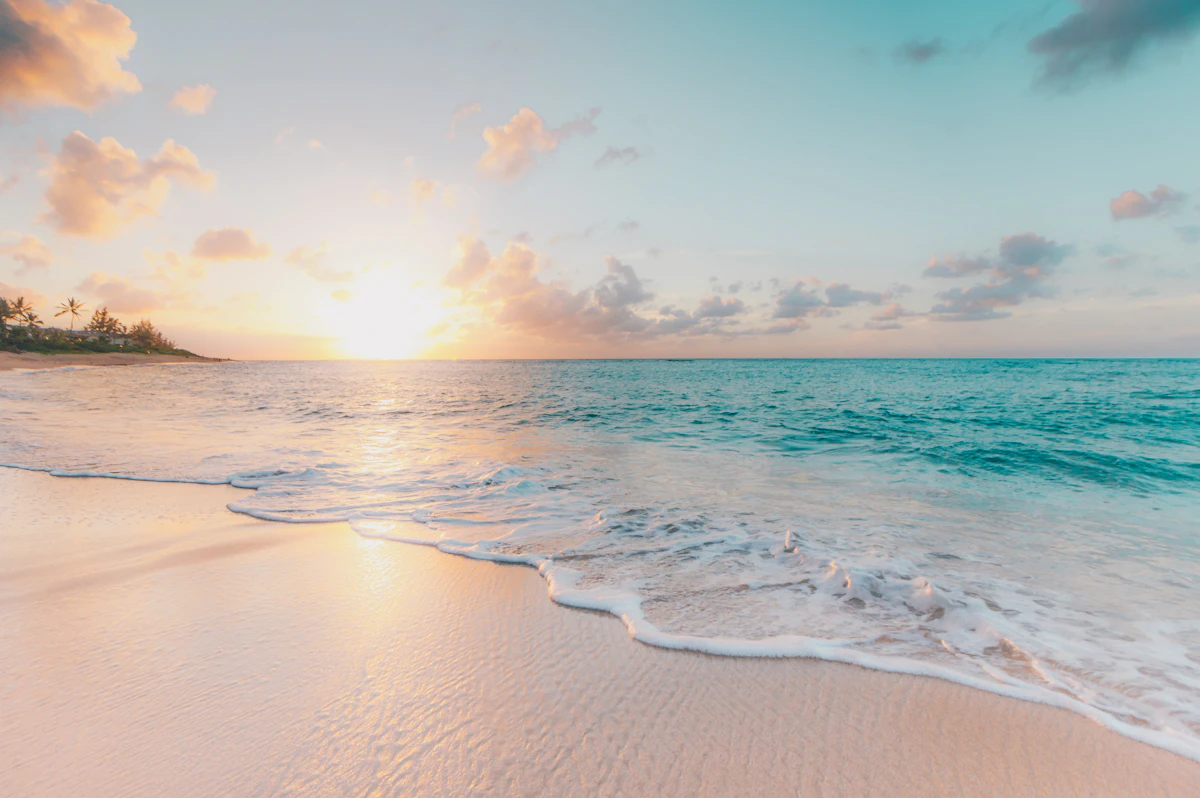
You'll feel the isolation before you see the water. The road from the nearest village dissolves into rutted track, and the coconut plantations thicken until suddenly the trees part and there it is—a crescent of sand the color of raw honey, lapped by swells that have traveled uninterrupted across the Pacific. No beach bars. No umbrellas. Just driftwood logs polished smooth by salt and time. The wind here is constant, bending the palms into permanent angles and keeping the air alive with the rustle of fronds and the low rumble of shore break. At low tide, tide pools form in the volcanic rock outcrops at either end of the beach, their surfaces mirroring the sky. Hermit crabs scuttle across wet sand, leaving delicate trails. The water shifts from jade near shore to a deep cobalt where the reef drops away. Local fishermen occasionally pull their skiffs onto the sand, their nets draped over gunwales to dry. They nod but don't linger—this is a place for passing through, not settling. As afternoon lengthens, the light turns the surrounding hills a velvety green, and the emptiness feels less like absence and more like presence. You understand why people come here to reset.
Places, rentals, tours and events within walking and driving distance of Dawasamu Beach.
Photos
Swimming conditions at Dawasamu Beach vary with tides and weather. As a remote coastal area without lifeguards or regular patrols, visitors should exercise caution and assess conditions carefully before entering the water. Check with local villagers about currents, tides, and safe swimming areas. The beach's remote location means emergency services are not immediately accessible, so swimming with a companion is strongly recommended. Reef cuts and sea urchins can be present, so water shoes are advisable for protection.
Dawasamu Beach can be visited year-round, though the dry season from May to October offers the most reliable weather with less rainfall and calmer seas. For budget travelers and those seeking fewer crowds, visiting during shoulder seasons (April-May or October-November) provides good value with pleasant conditions. The wet season (November-April) brings tropical showers and higher humidity but also lush landscapes. Early mornings typically offer the calmest conditions and best light for photography along this scenic coastline.
Dawasamu Beach is located along Viti Levu's east coast in the Tailevu region, accessible by road from Suva. The journey requires driving northeast along the Kings Road or coastal routes, typically taking 1-2 hours depending on your starting point. A 4WD vehicle may be necessary for rougher coastal access roads. Local buses run along main routes, but reaching the actual beach may require walking or arranging transport with villagers. Always seek permission from the local village before accessing community beaches in Fiji.
Dawasamu Beach is a remote, village-associated area with very limited tourist infrastructure. Formal hotels and restaurants are not typically available directly at the beach. Visitors should plan to bring their own food, water, and supplies. Accommodation options are more readily found in larger towns along the coast or back toward Suva. Some villages may offer homestay opportunities or traditional Fijian meals if arranged in advance through community contacts. Always respect local customs and offer appropriate gifts or contributions when visiting village areas.
Dawasamu Beach offers an authentic, non-commercialized Fijian coastal experience that contrasts sharply with resort areas. Its remote location between Nataleira and Takalana Bay means you'll likely encounter more local villagers than tourists, providing genuine cultural interactions. The beach represents traditional Fijian coastal life, where fishing villages maintain centuries-old customs. The scenic, undeveloped shoreline offers couples and travelers seeking tranquility a peaceful retreat. This hidden gem appeals to those wanting to explore Fiji beyond typical tourist trails and experience the country's natural coastal beauty in its authentic form.