
Counting the waves…
Counting the waves…
This beach reveals itself gradually, only after you've committed to the journey. You navigate past smallholdings where tethered goats browse hibiscus and women tend vegetable plots, then the track narrows between coastal scrub that scrapes your vehicle's paint. When you finally reach the shore, you find maybe a hundred metres of sand, bookended by basalt outcrops that date to when Viti Levu was still volcanically restless. The reef system here nearly touches the beach, leaving just a sliver of lagoon at high tide. During the ebb, you can walk across exposed coral platforms, stepping over tide pools where damselfish dart between anemones and cowries cluster in the shadows. The water in the remaining channels runs so clear you count pebbles on the bottom from waist depth. Local families arrive on Saturdays with ice chests and portable radios, staking their usual spots with the ease of long habit. The isolation—true isolation, not the manufactured variety resorts advertise—defines everything here. You might see three other people all afternoon, or none. The silence between wave sets lets you hear individual leaves moving in the breeze, the distant lowing of cattle, your own breathing. By the time you retrace those rough tracks toward Korovou, sand in your shoes and salt in your hair, you've experienced a beach that exists purely for local use, tolerating visitors but never courting them.
Places, rentals, tours and events within walking and driving distance of Dakuivuna Beach.
Photos
Dakuivuna Beach is generally family-friendly, with reef-fringed shallows that create protected swimming areas suitable for children. The sandy beach and gradual entry make it accessible for young swimmers, though parents should always supervise children near water. The surrounding reef provides natural shelter from strong waves, creating calm lagoon-like conditions during most weather. However, be mindful of sharp coral in reef areas and always wear water shoes for protection. Since there are no lifeguards or commercial facilities, families should bring first-aid supplies and remain vigilant about water safety at all times.
The optimal time to visit Dakuivuna Beach is during Fiji's dry season from May to October, when rainfall is minimal and temperatures are comfortable for beach activities. This period aligns perfectly with the beach's 'less crowds' appeal, offering peaceful solitude for visitors. Early morning visits provide the calmest conditions and best light for photography of the scenic coastline. The wet season from November to April brings warmer, more humid conditions with afternoon showers, though the beach remains accessible. Weekdays offer the quietest experience at this small mainland beach throughout the year.
Dakuivuna Beach has rural access, which means reaching it requires some effort and local knowledge. From Korovou, you'll need to navigate coastal roads toward the Tailevu coast, some of which may be unsealed or in variable condition. A private vehicle is essential, preferably a four-wheel drive, especially during or after wet weather when roads can become muddy. Public transportation doesn't typically serve this small beach. Ask locals in Korovou for current directions and road conditions. The rural approach is part of the beach's hidden charm, but visitors should be prepared for basic infrastructure and allow extra travel time.
Dakuivuna Beach is a small, undeveloped mainland beach with no commercial facilities, restaurants, or accommodation on-site. Visitors should come fully prepared with their own food, water, shade, and beach equipment for day trips. The nearest services are in Korovou town, where you'll find basic shops and simple local eateries. For overnight stays, seek village homestays or guesthouses in the Korovou area, which offer authentic cultural experiences with local families. These rural accommodations are basic but provide genuine Fijian hospitality. Always confirm arrangements in advance, as options are limited in this quiet coastal area.
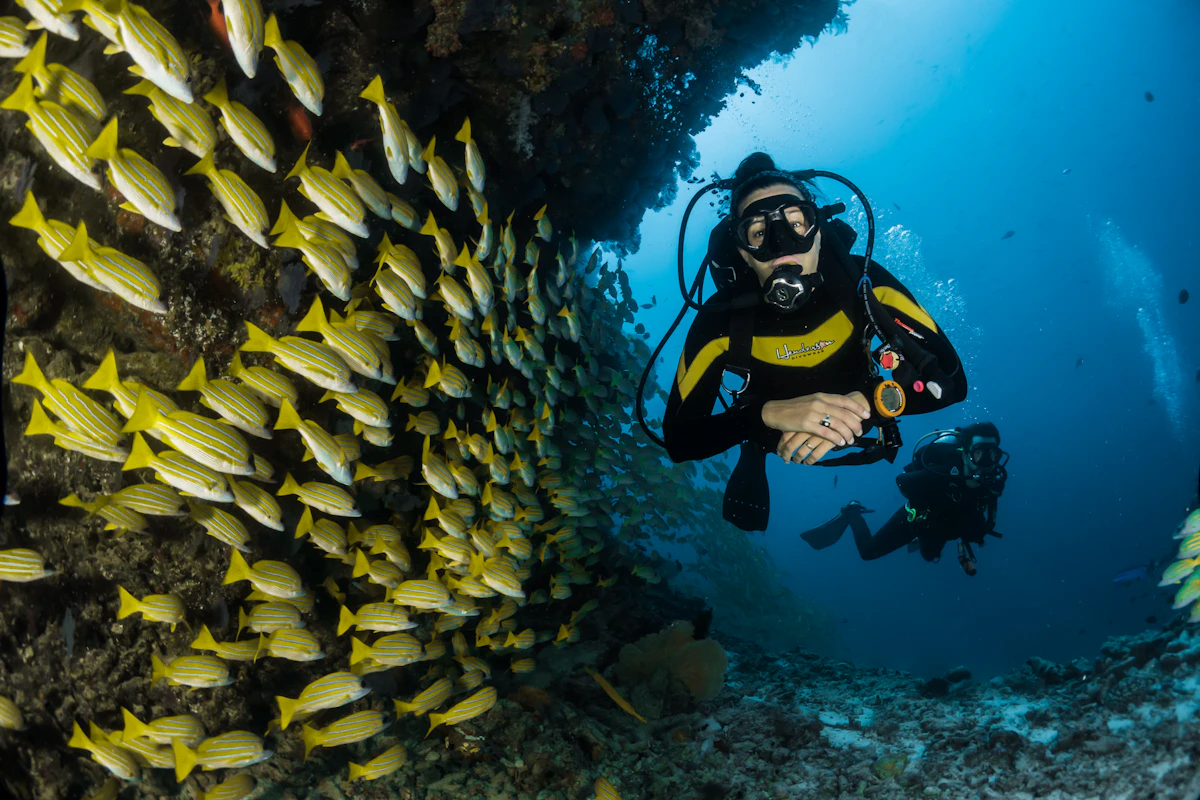
The reef-fringed shallows at Dakuivuna Beach create a distinctive coastal environment where coral formations protect the shoreline and create calm, shallow lagoon areas. These reefs typically lie offshore, forming natural barriers against ocean swells and providing habitat for tropical fish and marine life. During low tide, reef areas may be exposed or very shallow, while high tide brings deeper water for swimming. The reef system makes this beach particularly scenic and offers potential for snorkeling, though water clarity varies. Always wear protective footwear when walking near reefs to avoid cuts from sharp coral.