
Counting the waves…
Counting the waves…
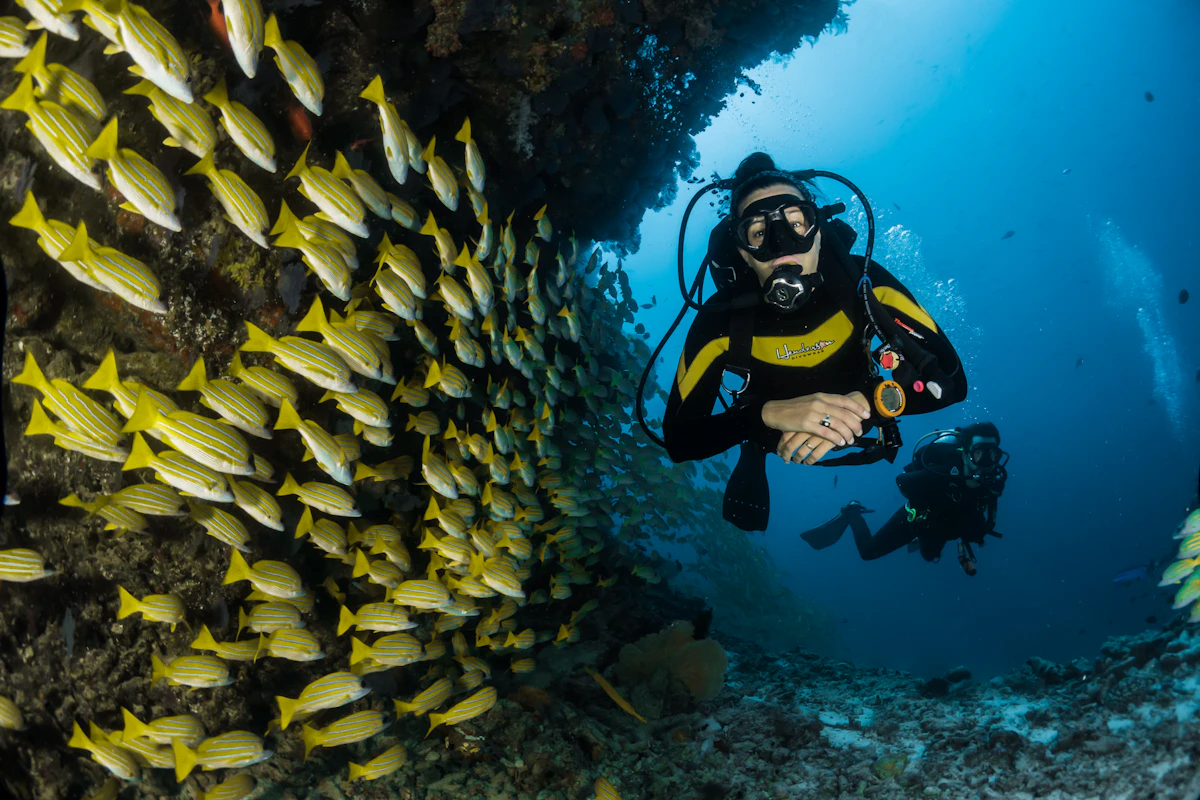
You step off the bow into knee-deep water and wade ashore, the sand beneath your feet so fine it squeaks. Dravuni is tiny—a single village, a coral-and-timber church, maybe two hundred people—and the beach wraps halfway around the island, separating thatched houses from the reef that hems the lagoon. Children run past, shouting in Fijian, chasing a deflated soccer ball along the waterline. Women sit in the shade of a breadfruit tree, weaving pandanus mats, their hands moving in rhythms older than the palms. The lagoon is warm and shallow, its floor a canvas of rippled sand interrupted by coral heads that rise like sculptures. You snorkel out, following a channel where the water deepens to turquoise, and suddenly you're swimming over gardens of staghorn and table coral. Parrotfish crunch past, their scales flashing green and blue. A reef shark—blacktip, no longer than your arm—ghosts along the bottom, ignoring you completely. The reef edge is close enough that you see where the lagoon gives way to open ocean, the color shifting from bright aqua to a deep, serious blue. Back on the beach, you sit under a palm and watch the light change. The sand cools as the sun drops, and the water takes on a glow that seems to come from within—luminous, surreal, the exact shade that travel photographers chase and rarely find. A villager walks past carrying a string of fish, nodding as he goes. The boat will return soon, but for now you're here, barefoot on sand that still holds the warmth of the day, the reef a darker line across the lagoon and the evening star already visible above the palms.
Places, rentals, tours and events within walking and driving distance of Dravuni Island Beach.
Photos
Dravuni Island Beach is generally safe for swimming within the lagoon, where calm, shallow waters are protected by the surrounding reef. The turquoise water is clear and ideal for wading and swimming close to shore. Snorkeling is excellent along the reef edges, but always check current conditions and stay within marked safe areas. Avoid swimming during high tide or rough weather, and be mindful of coral to prevent cuts. There are no lifeguards, so swim at your own risk and stay close to shore if you're not a confident swimmer.
The best time to visit Dravuni Island Beach is during Fiji's dry season from May to October, when you'll experience sunny skies, calm seas, and less humidity. This period also sees fewer crowds compared to peak holiday months. The water remains warm year-round for swimming and snorkeling. November through April brings the wet season with higher rainfall, humidity, and occasional cyclones, though temperatures stay tropical. For optimal weather and photography opportunities, aim for the shoulder months of May, June, September, or October when conditions are ideal and visitor numbers are lower.
Dravuni Island is accessible primarily via cruise ship excursions, as it's a popular stop on South Pacific cruise itineraries. Most visitors arrive by tender boat from their cruise ship for a few hours. Independent travelers can reach Kadavu Island by domestic flight from Nadi (approximately 45 minutes), then arrange boat transfers through local resorts or tour operators, though this requires advance planning. There is no regular public ferry service. The island is small and the beach is easily reached on foot from the landing area. Check with your cruise line or Kadavu accommodation for specific transfer arrangements.
Dravuni Island has very limited facilities as it's a small, traditional Fijian village. Most visitors are cruise passengers who spend only a few hours on the island and bring their own refreshments. The local community may offer basic handicrafts but not formal dining. There is no commercial lodging on Dravuni itself. Travelers seeking accommodation should stay on main Kadavu Island at resorts or guesthouses and arrange day trips. If visiting independently, bring drinking water, snacks, and sun protection. Always respect the village community and consider bringing small gifts or purchasing local crafts to support residents.
Dravuni Island Beach stands out as Kadavu's most photographed and iconic beach, offering the classic South Pacific postcard scene with brilliant white sand, crystal-clear turquoise water, and swaying palms. The island's small size means you can walk its perimeter in under an hour, providing 360-degree ocean views. Its proximity to the Great Astrolabe Reef creates exceptional snorkeling conditions right from shore. The beach is also culturally significant, as visitors can interact with the authentic Fijian village community. The combination of stunning natural beauty, accessibility via cruise ships, and genuine cultural immersion makes it uniquely Instagrammable and memorable.