
Counting the waves…
Counting the waves…
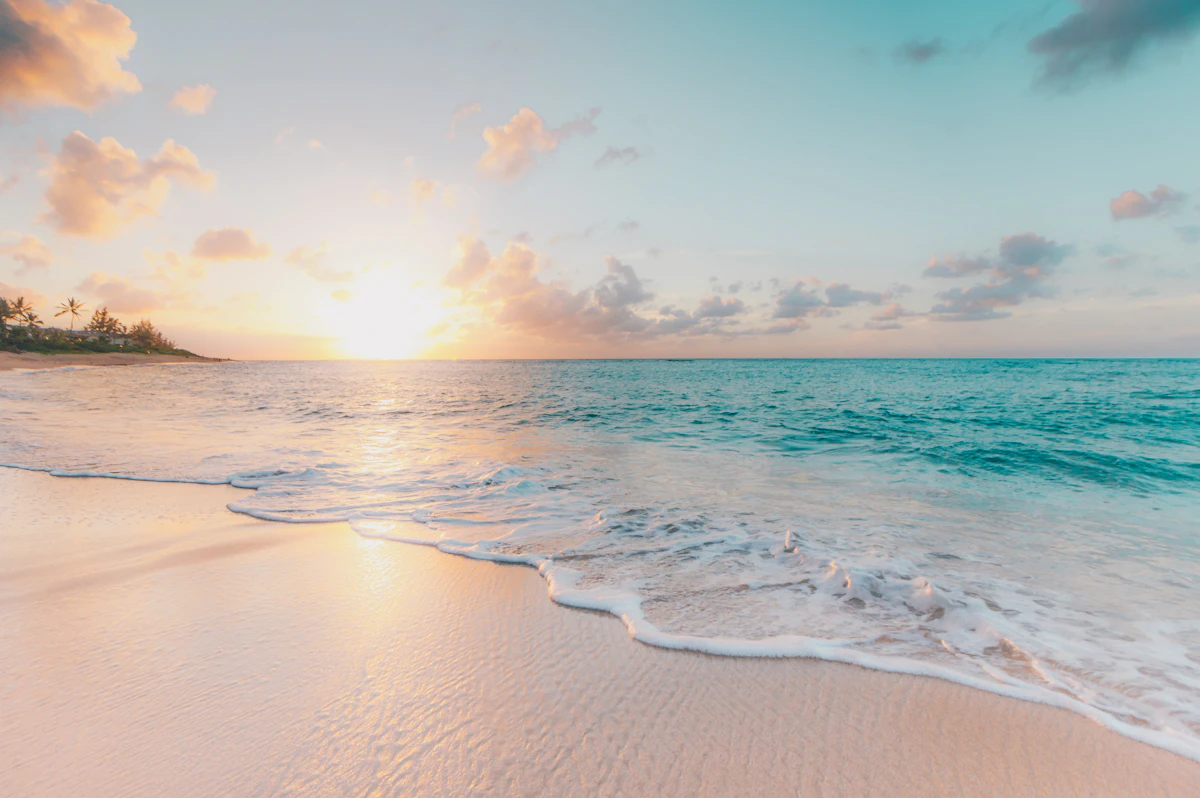
You'll reach Yaukuve Levu by boat, a half-hour ride from Kadavu proper that ends with the skipper cutting the engine and drifting toward shore to avoid grounding on the reef. The island is barely large enough to support its name—a kidney-shaped patch of sand and scrub maybe four hundred meters across, ringed by beach that shifts from powdery white to crushed coral depending on the tide. Palms cluster in the center, their trunks curved from decades of trade winds, and the high-tide line is marked by bleached driftwood and the occasional glass fishing float that's drifted across the Pacific. The water here runs through every shade of blue you've ever named and a dozen you haven't: turquoise in the shallows, cobalt over the sand channels, near-purple where the reef drops into deeper water. Snorkeling is as simple as stepping off the beach—within minutes you're finning over brain corals the size of compact cars, through schools of fusiliers that part like curtains, past giant clams with electric-blue mantles pulsing in the current. The reef здесь is part of the Great Astrolabe system, which means the biodiversity is staggering: nudibranchs, octopuses, reef sharks cruising the drop-offs, and manta rays gliding past on certain tides like underwater stealth bombers. There's no infrastructure on Yaukuve Levu—no resorts, no villas, not even a permanent settlement. Dive operators and yacht crews use it as a lunch stop, anchoring offshore while clients explore the reef or stretch their legs on the beach. You'll picnic beneath the palms, the sand so fine it squeaks underfoot, and wonder why anyone builds hotels when places like this exist, untouched and perfect and requiring nothing but your respect and a boat ride home before dark.
Places, rentals, tours and events within walking and driving distance of Yaukuve Levu Beach.
Photos
Yaukuve Levu Beach offers generally safe swimming in calm, clear waters around the small island, though conditions depend on weather and tides. The beach's proximity to the Great Astrolabe Reef means excellent snorkeling opportunities, with vibrant coral formations visible near shore. However, always assess current conditions before entering the water, as channels between reefs can have stronger currents. There are no lifeguards or rescue facilities on this uninhabited island, so only confident swimmers should venture out. Snorkel with a partner, wear appropriate footwear to avoid coral cuts, and stay aware of boat traffic. Check conditions with your tour operator before visiting.
The ideal time to visit Yaukuve Levu Beach is during Fiji's dry season from May through October, when you'll enjoy sunny skies, calm seas, and excellent visibility for snorkeling near the reef. This period sees fewer tourists, offering a more secluded experience on this already remote island. Water temperatures stay warm year-round. The wet season from November to April brings higher rainfall, humidity, and occasionally rougher seas that can make boat access challenging. For the best combination of weather, calm waters, and uncrowded conditions, visit between June and September. Always confirm boat trip availability and weather forecasts before planning your excursion to this boat-access-only location.
Yaukuve Levu Beach is accessible only by boat, requiring advance planning and typically a tour operator or resort arrangement. First, fly to Kadavu's Vunisea Airport from Nadi (about 45 minutes). From Kadavu, arrange a boat trip through your resort, a dive operator, or local tour guide. Journey time varies depending on departure point but can range from 30 minutes to over an hour. Trips are often combined with snorkeling or diving excursions to the Great Astrolabe Reef. The island is uninhabited, so all visits are day trips. Sea conditions affect accessibility, and trips may be canceled in rough weather. Book through reputable operators and confirm all details in advance.
Yaukuve Levu Beach has no facilities, services, or permanent structures, as it's a small, uninhabited island. Visitors must bring everything they need, including drinking water, food, sun protection, snorkeling gear, and first aid supplies. There are no toilets, shelters, shops, or fresh water sources. Most people visit as part of organized day trips where operators provide basic necessities and equipment. The pristine, undeveloped nature is part of the appeal for those seeking a remote, Robinson Crusoe-style experience. Pack out all trash to preserve the environment. If visiting independently, ensure your boat operator provides safety equipment and knows your planned return time for this remote location.
Yaukuve Levu Beach's exceptional feature is its position near the Great Astrolabe Reef, one of the world's largest and most biodiverse barrier reefs. The bright white sand contrasts beautifully with turquoise water, creating stunning reef views from the beach itself. Snorkeling here offers access to pristine coral gardens, colorful tropical fish, and excellent underwater visibility without needing to travel far from shore. The small island's remote, uninhabited status means minimal human impact and healthy marine ecosystems. The combination of postcard-perfect scenery, exceptional snorkeling accessibility, and genuine remoteness makes this beach special for those willing to make the boat journey to experience untouched Fijian island beauty.