Counting the wavesβ¦
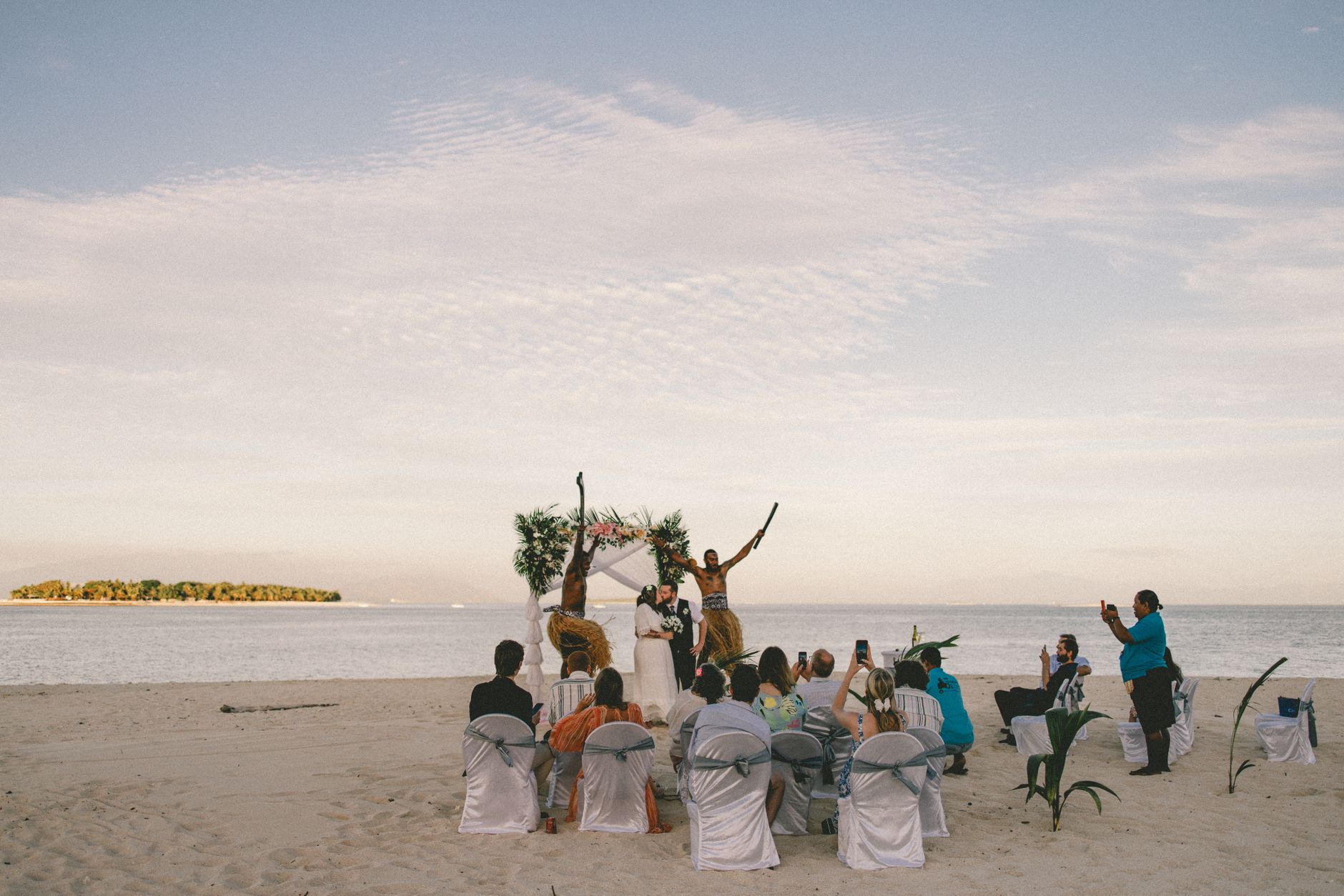
Getting to Drue requires commitment. The road disintegrates into ruts and puddles well before you reach the village, and the final approach is on foot, down a muddy track overhung with wild ginger and vines strung with red berries. The beach, when it appears, is modest: thirty meters of tan sand littered with bleached coral fragments and the hollow carapaces of coconuts. To the south, the reef breaks in a long, irregular line, and on windy days the spray hangs in the air like mist. The water here is cooler and murkier than the lagoons to the north, stirred by currents that sweep in from the Koro Sea. You wade in over a rubble bottom, careful of urchins wedged between rocks, and the waves push you back toward shore with surprising force. Locals fish from the rocks at either end of the beach, casting hand lines into the surge and hauling up small snapper and trevally. A pile of nets, weighted with stones, sits under a makeshift lean-to fashioned from palm fronds and driftwood. Drue's isolation is both its challenge and its charm. There's no shade save what you create, no fresh water, no easy exit if the weather turns. But that remoteness also ensures you'll have the beach largely to yourself, a rare luxury on an island where even the quietest spots see occasional foot traffic. Bring everything you need and expect nothingβDrue rewards self-sufficiency.
Places, rentals, tours and events within walking and driving distance of Drue Beach.
Photos
Drue Beach offers family-friendly swimming along southern Kadavu, with a sandy bottom and generally calm conditions suitable for children. As with all remote Fijian beaches, check local conditions and tides before entering the water. Reef shoes are recommended for protection against coral fragments. No lifeguards or safety facilities are available, so parents must supervise children closely. The village setting means locals can provide guidance on safe swimming areas and current conditions. Avoid swimming during storms or rough weather.
Drue Beach can be visited year-round, making it suitable for budget travelers with flexible schedules. The dry season from May to October provides the most reliable weather with calm seas and sunny conditions ideal for beach activities. Southern Kadavu can experience different weather patterns than northern coasts, so conditions vary. The wet season from November to April brings warmer waters and lush landscapes but occasional heavy rain. Visitor numbers are consistently low throughout the year, so you'll rarely encounter crowds.
Getting to Drue Beach involves flying to Kadavu Island from Nadi or Suva (approximately 45-60 minutes) or taking the ferry option. Once on Kadavu, arrange ground transportation to Drue village on the southern coast through your accommodation or local contacts. Roads are often unpaved and may require 4WD vehicles, particularly during wet conditions. Public transport is virtually non-existent, so pre-arranged transfers are essential. Some locations might be accessible by boat depending on sea conditions and your base on the island.
Drue Beach offers very limited accommodation, mainly village homestays providing basic but authentic experiences with local families. Expect simple rooms with shared facilities and minimal amenities like no air conditioning or hot water. Meals are typically included, featuring traditional Fijian dishes prepared with local seafood, root crops, and fresh produce. There are no restaurants, cafes, or shops in the village, so bring essential supplies from larger towns. Arrangements should be made in advance through Kadavu tourism contacts or directly with village representatives.
Drue Beach's absence from generic tourism lists is precisely its appeal for adventurous travelers seeking authentic, undiscovered Fiji. This small local beach on southern Kadavu offers genuine cultural immersion without tourist crowds or commercial development. You'll experience real village life and traditional Fijian hospitality in its purest form. The beach serves as a starting point for exploring lesser-known parts of Kadavu beyond standard itineraries. It's ideal for travelers who value authentic experiences over polished tourist attractions and don't mind basic facilities.