
Counting the waves…
Counting the waves…

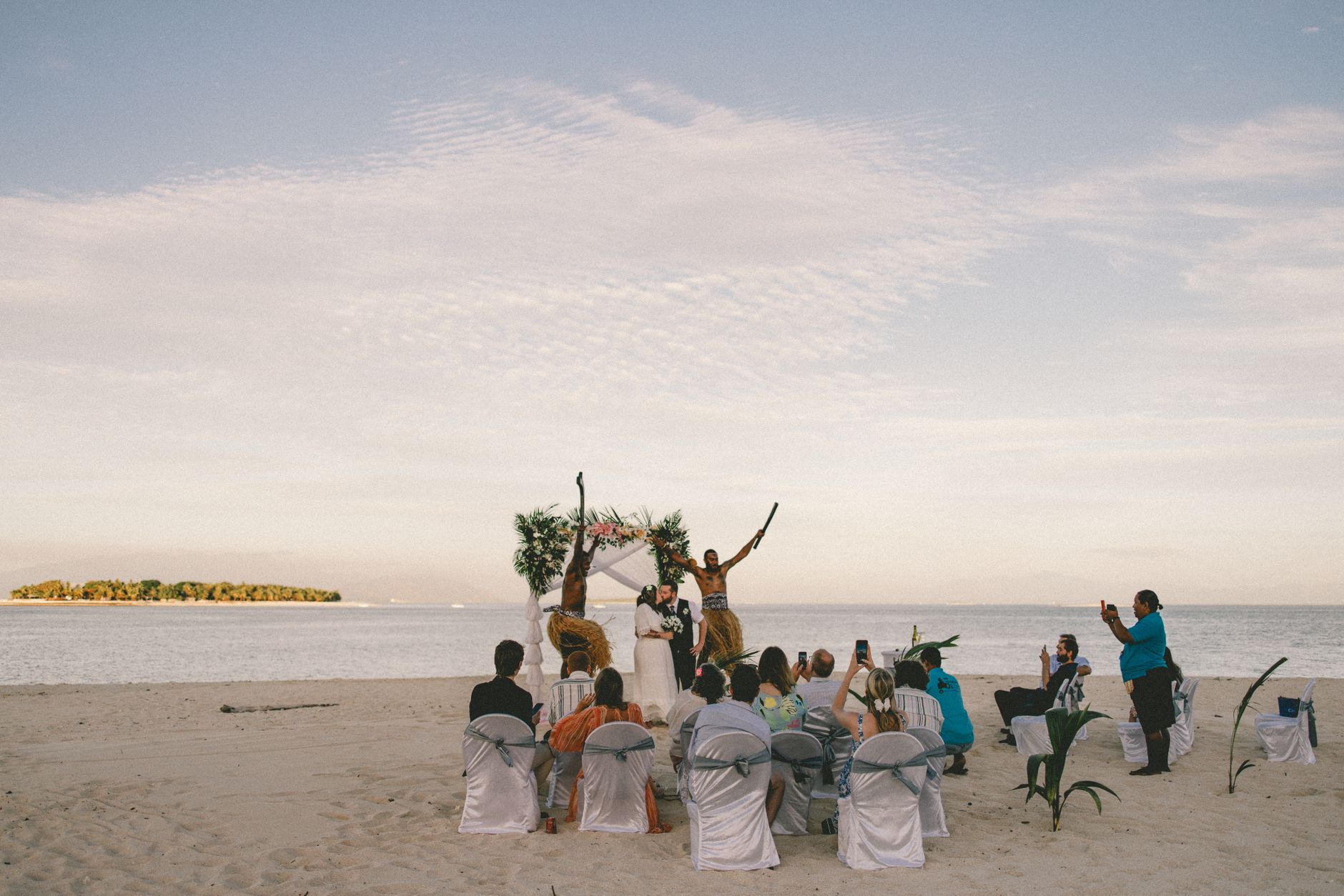
Nalotu Beach stretches in an unhurried crescent, its sand a mottled palette of beige and grey with veins of crushed shell that glint when wet. You walk the tideline where the Pacific has deposited its overnight gifts—smooth basalt pebbles, fragments of staghorn bleached bone-white, the occasional glass float still netted in barnacles. The water is a workmanlike blue, lacking the eye-searing intensity of lagoon beaches but holding an honest depth, its surface textured by the trade winds that funnel down Kadavu's eastern valleys. There are no resorts framing this beach, no dive shops or kayak rentals, just the village of Nalotu set back in the coconut groves, its tin roofs flashing silver in the afternoon heat. You spread your towel beneath a tree whose trunk leans at forty-five degrees, sculpted by decades of prevailing winds, and the shade arrives striped with sun. Children appear around mid-afternoon, released from school, and they wade into the shallows fully clothed, laughing at private jokes in a Fijian dialect thick with glottal stops. The swimming is straightforward—a sandy bottom that slopes gradually, water warm enough to stay in until your fingers prune, the occasional school of juvenile trevally flashing silver as they pivot in unison. You float on your back and watch frigatebirds trace lazy spirals overhead, their crooked wings black against clouds that pile up over the island's forested spine. This is a beach for doing very little, and doing it at the pace Kadavu insists upon.
Places, rentals, tours and events within walking and driving distance of Nalotu Beach.
Photos
Nalotu Beach generally offers safe swimming conditions, but as with most Fijian beaches, check tides and currents before entering the water. The sandy bottom is gentle for families. Always wear reef shoes to protect against coral fragments and sea urchins. Avoid swimming during heavy rain or strong winds. There are no lifeguards on duty, so supervise children closely. The beach is relatively protected, but respect local advice about seasonal conditions and marine life.
Nalotu Beach can be visited year-round, making it ideal for budget travelers with flexible schedules. The dry season from May to October offers the most reliable weather with calmer seas and clear skies. However, the wet season from November to April brings warmer water temperatures and lush scenery, though occasional tropical rain showers are common. Kadavu sees fewer tourists overall, so crowds are rarely an issue regardless of when you visit.
Reaching Nalotu Beach requires traveling to Kadavu Island first, accessible via domestic flights from Nadi or Suva (45-60 minutes) or ferry services. Once on Kadavu, you'll need local transport arranged through your accommodation or village contacts, as roads are limited and often unpaved. The eastern location means it may require a boat ride or 4WD vehicle depending on your base. Always coordinate transportation in advance with local operators or guesthouses familiar with the area.
Accommodation near Nalotu Beach is limited to small guesthouses and homestays in the village, offering basic but authentic Fijian hospitality. Facilities are simple, often without hot water or air conditioning. Meals are typically included and feature local Fijian cuisine with fresh fish, root vegetables, and tropical fruits. There are no restaurants or shops nearby, so bring essentials from the main island. Booking ahead through Kadavu tour operators or directly with village contacts is essential.
Nalotu Beach offers genuine local village life on Kadavu's less-visited eastern coast, away from the dive resort concentrations. It provides cultural immersion opportunities with local families and traditional Fijian customs. The beach serves as a practical base for exploring lesser-known parts of Kadavu rather than a resort destination. Its inclusion helps travelers seeking comprehensive island coverage beyond the typical tourist spots, making it valuable for adventurous visitors wanting authentic experiences.