
Counting the wavesβ¦

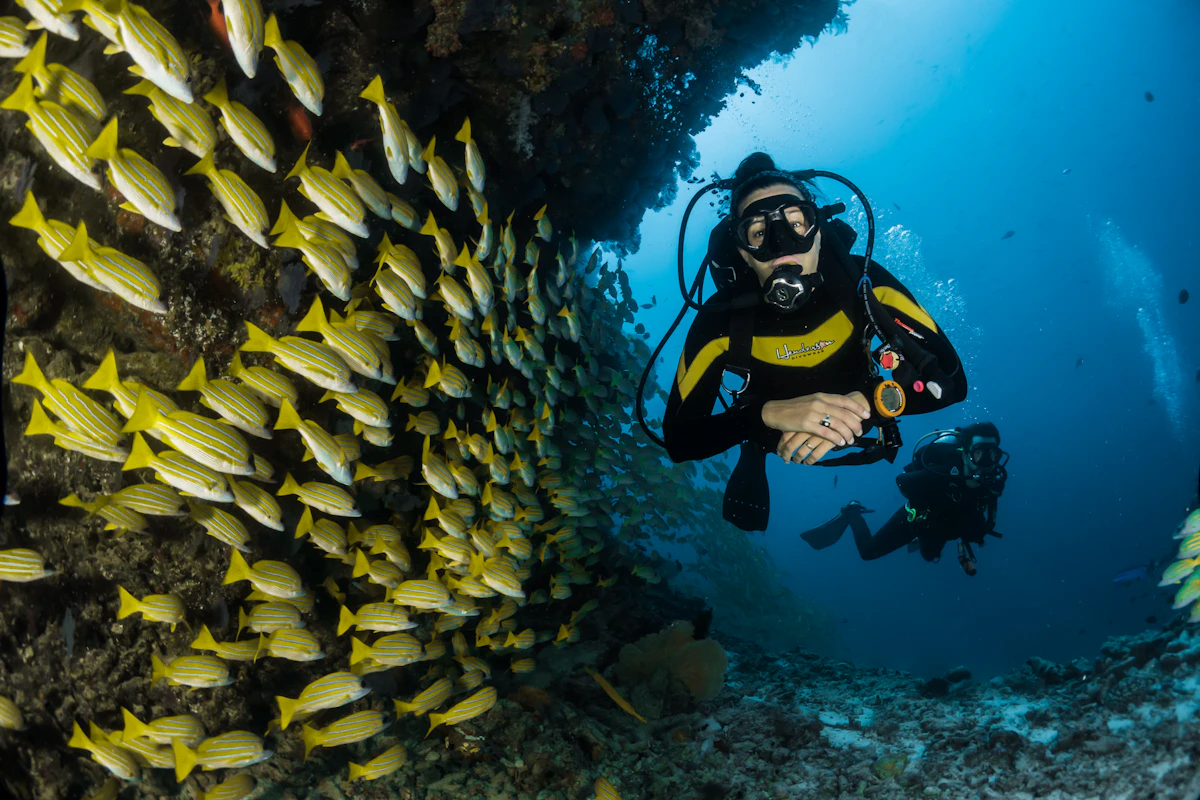
Komo Beach wraps around the southern point of an island small enough to circumnavigate in an hour's walk. The sand here is pulverized coral and shell, ground by centuries of wave action into grains finer than table salt. It slopes gently into water that shifts from pale jade near shore to deep indigo beyond the reef drop-off. You'll notice the beach's width changes dramatically with the tidesβat spring lows, an additional twenty meters of hard-packed sand emerges, revealing tidal pools where sergeant majors dart between anemones. The reef just offshore is what gives Komo its character. Snorkeling here requires only that you wade chest-deep and lower your mask. Tabletop corals the size of dining tables host schools of fusiliers that move in synchronized clouds. You'll spot giant clams wedged into coral crevices, their mantles displaying electric blues and greens that seem too vivid to be natural. The water visibility often exceeds thirty meters when currents are favorable, allowing you to watch eagle rays glide over the sandy channels between coral formations. Getting to Komo means negotiating with boat operators in Lakeba or arriving on your own yacht, anchoring in the lee of the island where swells are diffused by the barrier reef. The island supports a tiny village of perhaps fifty residents, their houses clustered at the beach's northern end. There's one solar panel, one rainwater tank, and a beach that feels like it exists in the margins of the mapped world.
Places, rentals, tours and events within walking and driving distance of Komo Beach.
Photos
Komo Beach generally offers calm, protected waters suitable for swimming and snorkeling, especially during dry season months (May-October). The surrounding reefs provide excellent snorkeling opportunities with diverse marine life. However, as a remote Lau island location, there are no lifeguards or emergency services nearby. Always check local conditions before entering the water, watch for currents around reef passages, and never snorkel alone. Bring your own safety equipment and inform someone of your plans before water activities.
The optimal time to visit Komo Beach is during Fiji's dry season from May through October, when you'll encounter less rainfall, calmer seas, and better visibility for snorkeling. This period also coincides with fewer crowds, as the Lau Islands remain one of Fiji's least-visited regions year-round. November through April brings higher humidity, occasional cyclones, and rougher seas that can disrupt boat access. The shoulder months of May and October offer the best balance of good weather and absolute solitude.
Reaching Komo Beach requires boat access, as Komo is a small island in the remote Lau Province with no airstrip. Most visitors arrange private boat charters from larger Lau islands like Lakeba or Vanua Balavu, which have small airports serviced by Fiji Airways from Nausori/Suva. The journey involves flying to a main Lau island, then chartering a local boat, which can take several hours depending on sea conditions. Advance planning is essential, as transport options are limited and weather-dependent.
Komo is an extremely remote location with no commercial accommodations, restaurants, or tourist facilities. Visitors typically stay with local families through village homestay arrangements, which must be organized well in advance through Fijian contacts or specialized tour operators. You'll need to bring most of your own supplies, though host families usually provide basic meals as part of homestay agreements. This is authentic village-level travel requiring self-sufficiency, cultural respect, and flexible expectations. Always obtain proper permissions before visiting.
Komo Beach represents one of Fiji's most authentic off-the-beaten-path experiences, offering complete isolation in the rarely visited Lau archipelago. Unlike developed resort areas, you'll experience traditional Fijian island life with minimal tourist infrastructure. The bright white sand and pristine reef systems remain largely unexplored by visitors, providing exceptional snorkeling without crowds. The journey itself becomes part of the adventure, as reaching Komo requires genuine expedition-style planning. This beach appeals to travelers seeking cultural immersion and true remoteness over convenience.