Counting the waves…
Counting the waves…
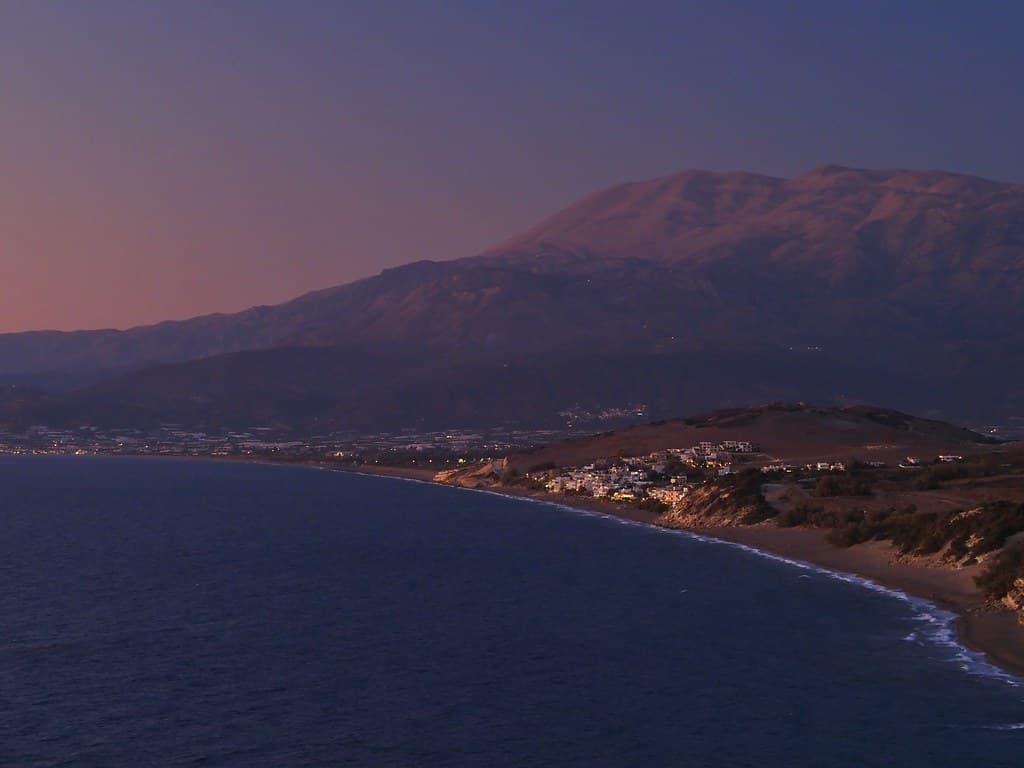
The sand here is blonde rather than blinding white, packed firm enough for barefoot walks at low tide when the reef flats exhale and expose fields of puddled starfish. You'll see more villagers than tourists: women washing clothes in fresh spring outlets that bubble up through the beach, men repairing fiberglass dinghies under thatched lean-tos. The scene feels unstaged because it is—this is daily life, not a cultural demonstration with a set start time. The water stays shallow for fifty yards, warm as bathwater and calm enough for toddlers to wade unsupervised. Coral heads dot the sand like scattered sculptures, each one hosting a neighborhood of damselfish and anemones. Locals will point you toward the deeper channel where the current picks up and bigger species cruise—trevally, small reef sharks, the occasional turtle surfacing for air. No rental shacks, no guided tours. You ask, you listen, you go. Late afternoon light turns the village golden. Smoke from cooking fires drifts across the beach, carrying the scent of grilled mahi-mahi and taro baking in earthen ovens. A radio crackles with rugby scores from Suva. Dogs nap in the shade. You're not here for Instagram; you're here because this version of Fiji—unhurried, unpolished, utterly real—is vanishing everywhere else.
Places, rentals, tours and events within walking and driving distance of Moce Island Beach.
Photos
Moce Island Beach typically offers safe swimming conditions suitable for families, especially in areas near the village where locals swim regularly. The calm lagoon waters and sandy bottom create a gentle environment for children and less experienced swimmers. However, no formal safety services exist, so supervision is essential. Check with villagers about current conditions, tides, and any areas to avoid. The beach's proximity to the village means you'll often see local families enjoying the water, which can provide reassurance about safe swimming zones.
The ideal time to visit Moce Island Beach is during Fiji's dry season from May through October, when you'll enjoy sunny weather, lower rainfall, and calmer seas. This period also offers fewer crowds, though Moce sees very limited tourism regardless of season. June through September provides the most comfortable temperatures and clearest water visibility. Avoid November through April when the wet season brings heavy rains, humidity, and potential cyclones. The dry season's southeast trade winds keep conditions pleasant without creating rough seas in protected areas.
Getting to Moce Island requires significant planning as it's part of the remote Lau archipelago. Access is primarily by boat from Suva or Lakeba, with infrequent government vessels or cargo boats making the journey. Travel time can exceed 20 hours from Suva. Some visitors arrange private boat charters or arrive via yacht. There may be occasional small aircraft connections to nearby islands with onward boat transfers. Book all transport well in advance through specialized operators or local contacts, and expect schedules to be flexible and weather-dependent.
Accommodation on Moce Island is limited to village homestays arranged through community networks, as commercial tourism facilities don't exist here. Visitors stay with local families in simple, traditional settings. Meals are included with homestays and feature authentic Fijian cuisine: fresh fish, octopus, root crops like cassava and taro, and seasonal fruits. No restaurants or stores operate on the island, so bring necessary supplies from Suva. Arrange stays well in advance through tour operators or direct village contacts who can coordinate proper cultural protocols and logistics.
Moce Island Beach distinguishes itself through its strong outer-island character and authentic village coastline atmosphere. The beach serves as an integral part of daily village life rather than a tourist destination, offering visitors insight into traditional Lau coastal living. The combination of calm waters, volcanic island backdrop, and active local presence creates a genuine Pacific island experience. Its isolation ensures virtually no commercial tourism impact, preserving traditional fishing practices and community beach use. Visitors experience the beach as locals do, participating in island rhythms rather than observing from resort boundaries.