

Counting the waves…
Counting the waves…
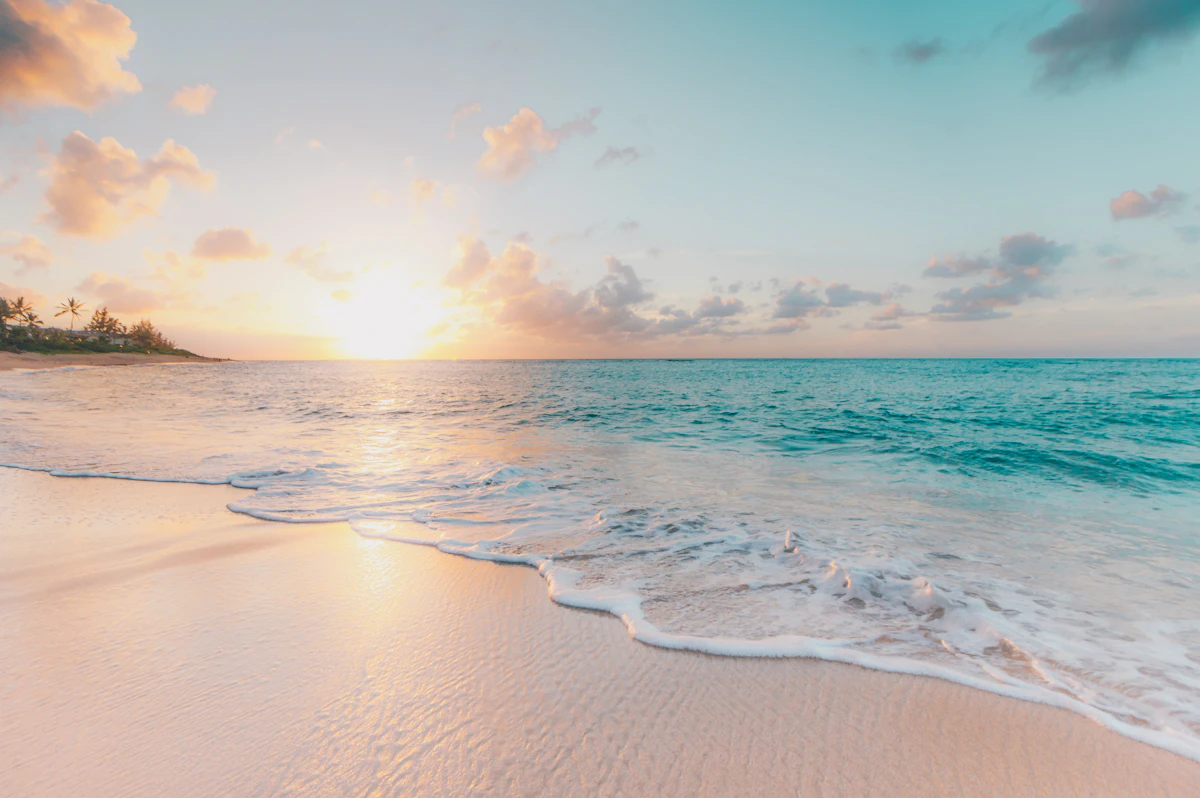
Seaqaqa's beach exists because people need a shore, not because the shore offers anything spectacular. The sand runs coarse, mixed with small coral fragments and occasional patches of pebbles where streams deposit mountain sediment. Behind the beach, the landscape tells the story of Fiji's post-independence settlement schemes—cleared land, neat farm plots, houses built from practical materials rather than architectural ambition. The beach serves these families as weekend gathering place, children's playground, and escape valve from the heat that builds over the agricultural plain. You'll recognize the beach's utilitarian character immediately. Families arrive with coolers and tarps, claiming spots under the scattered palms and ironwood trees. Kids splash in the shallows while parents set up portable speakers and prepare food on portable grills. The water here runs shallow for twenty meters, warming to bathtub temperatures by mid-afternoon. Local teenagers use the beach as social hub, gathering in groups that shift and reform with adolescent drama, their laughter carrying across the sand. The settlement of Seaqaqa itself—established in the 1970s to redistribute land and opportunity—gives the beach its character. This is farming country by the sea, where people work sugarcane and root crops during the week and claim their small piece of coastline on Sundays. The beach lacks the wild beauty of remote shores or the polish of resort zones. Instead it offers something rarer: a coast where Fijians actually live, where the ocean serves daily life rather than tourism fantasy, where the sand holds footprints from people who'll return next weekend because this is their beach, their community, their home ground.
Places, rentals, tours and events within walking and driving distance of Seaqaqa Coast Beach.
Photos
Seaqaqa Coast Beach can be suitable for families, though it's important to assess conditions upon arrival as facilities are minimal. The beach is generally quiet with fewer crowds, offering a relaxed atmosphere. However, there are no lifeguards on duty, limited shade structures, and basic amenities. Parents should closely supervise children in the water at all times. The sandy shoreline is gentle, but water conditions vary with tides and weather. Bring your own safety equipment, sun protection, and supplies, as you would for any remote beach location.
Seaqaqa Coast Beach naturally experiences fewer crowds year-round due to its location in rural Vanua Levu, away from major tourist circuits. For the absolute quietest experience, visit during weekdays and outside Fiji's school holiday periods. The wet season from November to April sees even fewer visitors, though weather can be unpredictable. Early mornings and late afternoons typically offer more solitude than midday. Unlike resort beaches, you're unlikely to encounter large groups here regardless of season, making it ideal for travelers seeking peaceful, uncrowded coastal experiences.
Seaqaqa Coast Beach is accessible from Labasa, the main town in northern Vanua Levu, approximately 30-40 kilometers away depending on your specific beach access point. From Labasa, travel by rental car, taxi, or local bus toward the Seaqaqa settlement. The journey takes roughly one to two hours on roads that vary from sealed to unsealed. A 4WD vehicle provides more confidence, especially after rain. Ask locals for specific directions to beach access points, as signage is limited. Some visitors arrange transport through their accommodation for easier navigation.
The Seaqaqa area offers limited accommodation options, primarily small guesthouses or homestays within the rural community. These are basic but provide authentic local experiences, often including home-cooked Fijian meals. Booking ahead is important as capacity is limited. There are no beachfront resorts or restaurants in the immediate area. Visitors should bring snacks and water for beach days. The nearest town with more services is Labasa, where you'll find supermarkets, bakeries, and casual eateries. Many travelers stay in Labasa and make day trips to the coast.
Seaqaqa Coast Beach exemplifies the authentic, undeveloped character of Vanua Levu's north coast. Unlike tourist-oriented beaches, this area reflects genuine rural Fijian coastal life where fishing and subsistence agriculture dominate. The beach shows natural, unmanicured beauty without commercial infrastructure. Visitors often encounter local families using the beach for traditional purposes rather than recreation. The landscape includes coconut palms, simple village structures, and working boats rather than resorts. This representative character offers insight into how most Fijians actually live along their coasts, making it valuable for cultural understanding.