

Counting the waves…
Counting the waves…
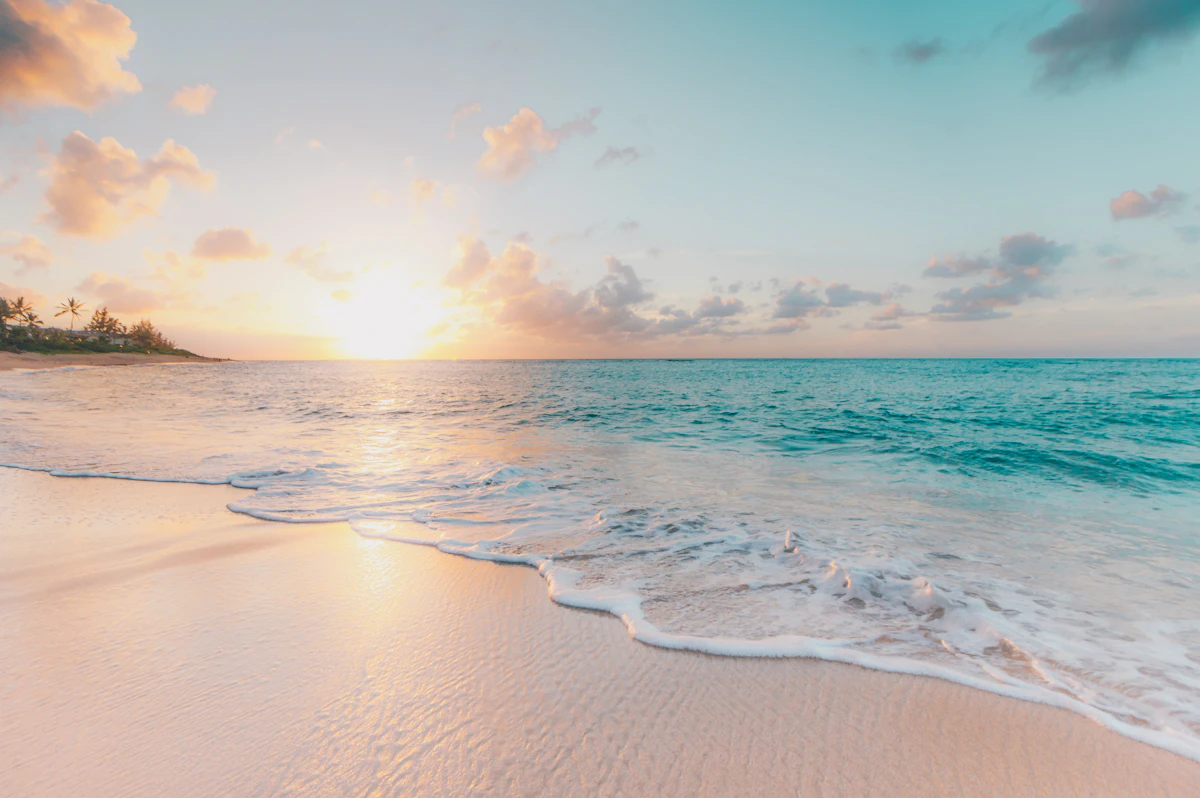
The drive west from Labasa takes you past sugarcane fields and villages where chickens scatter at the sound of your approach. Vatuwiri Beach unfolds as a quiet curve of sand where the reef breaks far offshore, turning the shallows into a tepid lagoon. Local families arrive on weekends, their coolers packed with cassava and kokoda, staking claim to spots beneath the casuarina trees that lean landward in the trade winds. The sand here carries a faint amber tint, a reminder of Vanua Levu's volcanic origins. At low tide, tidal pools dimple the exposed reef flat, each one a miniature aquarium where juvenile fish dart between coral rubble and sea cucumbers. Children wade out with improvised nets fashioned from mosquito mesh, hunting for shells and the occasional octopus. The water stays shallow for a hundred meters, warm as bathwater and gentle enough for toddlers. You won't find beach bars or rental stands—just the occasional vendor selling iced coconuts from the back of a truck. The quiet is interrupted only by the thunk of fallen coconuts and the distant hymns from Sunday services in Seaqaqa village. Bring your own shade, your own supplies, and settle into the unhurried rhythm that defines Fiji's northern coast.
Places, rentals, tours and events within walking and driving distance of Vatuwiri Beach.
Photos
Vatuwiri Beach is generally considered safe for swimming and suitable for families, with typically calm conditions due to its protected location west of Labasa. However, as with most remote Fijian beaches, there are no lifeguards or formal safety services. Parents should supervise children closely and check local tide and weather conditions before swimming. The beach's family-friendly reputation suggests relatively gentle waters, but conditions can change. The low visitor traffic means the beach is quiet and uncrowded, though this also means limited immediate assistance in emergencies. Always exercise appropriate caution and swim during daylight hours.
Vatuwiri Beach is best visited during Fiji's dry season from May through October, offering optimal weather with less rainfall and more consistent sunshine. This period provides ideal conditions for family beach activities with calmer seas and comfortable temperatures. The beach experiences low traffic year-round, ensuring peaceful visits regardless of season. For families traveling with children, the dry season offers more predictable conditions and safer swimming. The months of June through September feature pleasant weather with moderate temperatures and lower humidity. The beach's quiet nature means it's never crowded, making timing more about weather preferences than avoiding crowds.
Vatuwiri Beach is located west of Labasa near Seaqaqa, making it more accessible than many remote northern beaches. From Labasa, you can drive or take local transportation toward Seaqaqa, with the journey taking approximately 30-45 minutes depending on road conditions. A regular vehicle can typically manage the route, though a 4WD may be preferable during wet weather. Some local buses or carriers serve the Seaqaqa area, though schedules may be irregular. Taxis from Labasa can be arranged for day trips. Ask locals in Seaqaqa for specific directions to beach access points, as signage may be limited.
Accommodation options near Vatuwiri Beach are limited, with Seaqaqa offering basic guesthouses or homestays rather than resort facilities. Families should arrange accommodation in advance through local contacts or regional tourism operators. Labasa, approximately 30-45 minutes away, provides more diverse lodging and dining options including family-friendly restaurants and hotels. Near the beach, you may find small local shops for basic supplies, but bringing food and drinks from Labasa is advisable for day visits. Some accommodations may offer family meals featuring local cuisine. The area caters to independent travelers rather than resort guests, so expectations should be adjusted accordingly.
Vatuwiri Beach offers families a peaceful, uncrowded beach experience away from commercial tourism. The low-traffic environment means children can play freely without the chaos of resort beaches, while parents enjoy genuine tranquility. The beach's reputation as family-friendly suggests suitable swimming conditions and a safe environment. Its location near Seaqaqa provides some access to basic services while maintaining a remote, authentic feel. Families seeking cultural experiences can interact with local communities and experience traditional Fijian life. The beach offers an opportunity to teach children about different cultures and natural environments while enjoying Fiji's coastal beauty in a relaxed, pressure-free setting.