Counting the waves…
Counting the waves…
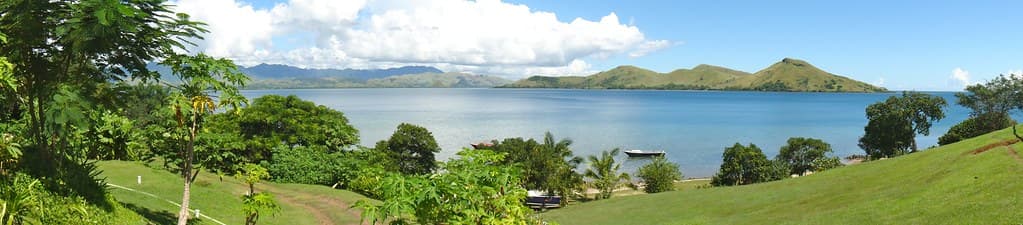
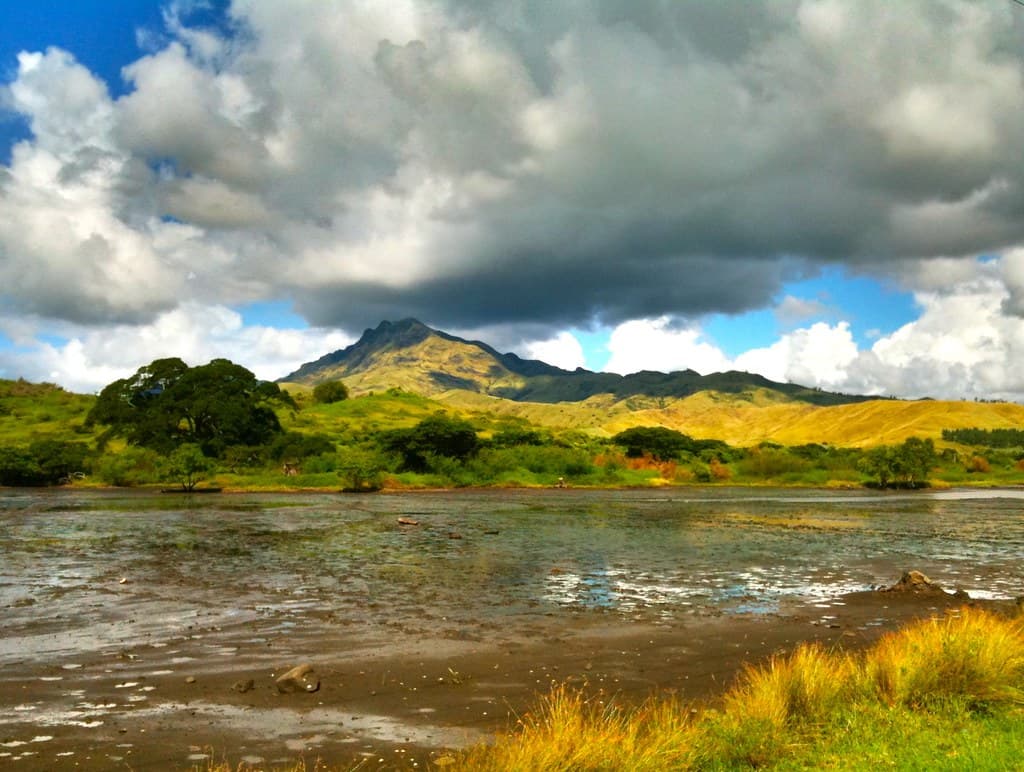
The drive to Naivuvuni takes you past endless cane fields, their green stalks rustling in the trade winds, before the road dips toward the coast and the ocean reveals itself in sections—first a blue line on the horizon, then the full expanse. The beach itself is unpretentious, a gentle arc of sand with coconut palms leaning at angles that suggest decades of cyclones and resilience. Fishing nets dry on wooden stakes, and plastic floats bob in the shallows, tethered to something below. You wade into water the color of weak tea near shore, clearing to pale turquoise farther out. The bottom is sandy with occasional coral rubble, warm enough that you can stay in for hours without the cold driving you out. Hermit crabs conduct their endless real estate transactions along the tide line, swapping shells and scuttling sideways when your shadow falls across them. A dog from the village makes rounds, sniffing at abandoned flip-flops and hoping for scraps. The beach empties by late afternoon as locals head home for dinner, leaving you alone except for the frigate birds wheeling overhead and the distant sound of a radio playing Fijian gospel. The water turns molten in the slanting light, and the cane fields behind you glow golden before darkening to silhouette. You realize you've lost track of time completely, measured only by tide and sun.
Places, rentals, tours and events within walking and driving distance of Naivuvuni Beach.
Photos
Naivuvuni Beach is a quiet village beach where swimming is generally possible, though safety depends on weather and tide conditions. As with all local beaches in this region, there are no lifeguards or formal safety measures, so visitors must assess conditions independently. The sandy beach typically has gentle entry, making it reasonable for families with appropriate supervision. Always be cautious of currents, especially during tidal changes, and seek advice from village residents who know local conditions well. Wearing protective footwear helps avoid coral or sharp objects. Never swim alone and avoid entering unfamiliar waters during rough weather.
The ideal time to visit Naivuvuni Beach is during Fiji's dry season from May through October, offering the most sunshine, lower humidity, and calmer seas. This period provides comfortable conditions for beach activities and exploring the surrounding sugarcane countryside. The beach sees very few tourists year-round, so finding solitude isn't challenging regardless of season. Visiting on weekdays ensures even greater privacy. The wet season from November to April can still offer beautiful days between rain showers. Early morning hours provide cooler temperatures and often the calmest waters, while any time offers the scenic rural coastal atmosphere this beach is known for.
Naivuvuni Beach is located near Rakiraki on Viti Levu's northern coast, accessible via local roads branching off the Kings Road. From Rakiraki town, you'll need a car, taxi, or local transport to reach the beach area—exact routes depend on which village roads provide access. Ask locals in Rakiraki for specific directions to Naivuvuni, as signage may be limited or nonexistent. The journey is typically short, under 15-20 minutes from central Rakiraki. Having a rental car offers the most flexibility for exploring these rural coastal areas. Some determination and willingness to ask for directions is helpful.
Naivuvuni Beach itself has no tourist facilities, being a traditional village beach area. The nearest accommodations and dining options are in Rakiraki town, a short drive away, where you'll find small hotels, guesthouses, and local restaurants serving Fijian and Indo-Fijian dishes. Options are basic but authentic and budget-friendly. For a day at the beach, bring your own supplies including food, drinking water, and sun protection. Some visitors stay at resorts along the northern coast and explore local beaches like Naivuvuni as day trips. Always approach village areas respectfully and seek permission if needed to access beach areas.
Naivuvuni Beach offers an authentic experience of rural Fijian coastal village life amidst the sugarcane country that characterizes Rakiraki's hinterland. Its proximity to working villages means you'll encounter genuine local life rather than tourist scenes, providing cultural immersion for respectful visitors. The beach's quiet, undeveloped character appeals to travelers seeking solitude and natural beauty without commercial distractions. The combination of sandy shoreline and agricultural landscape creates a distinctly Fijian north coast atmosphere. It's ideal for those who value authenticity over amenities and want to experience how coastal Fijians live, away from resort areas and mainstream tourist trails.