Counting the waves…
Counting the waves…

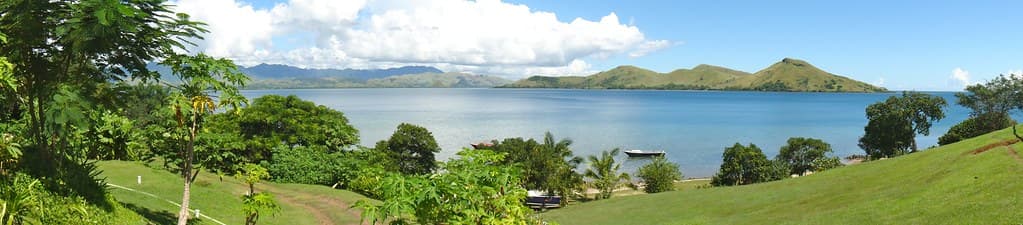
The approach to Naiserelagi takes you through the village itself—homes with gardens bursting with hibiscus and frangipani, chickens scattering at your approach, children waving from verandas. The beach emerges gradually, announced by the shift from red dirt to pale sand, the sudden openness of sky and water. It's a narrow strip, maybe fifty meters deep at its widest, bordered by coconut palms and the occasional ironwood tree providing dappled shade. You'll find the best swimming in the morning, before the trade winds churn the surface and cloud the water with suspended sand. The lagoon bottom is mostly sandy with patches of seagrass that attract small fish and the occasional sea turtle cruising through on its way to deeper water. Local kids have strung a rope swing from one of the overhanging palms, and you'll hear their shrieks and splashes echoing across the beach throughout the day. Sunbathing here feels different than on resort beaches—more languid, less performative. You stretch out on the sand, feel the heat soaking into your bones, and drift in and out of consciousness while the village continues its routines around you. Women hang laundry on lines strung between trees, dogs patrol the shade looking for scraps, and the smell of something cooking—fish in coconut cream, maybe cassava—drifts down from the houses.
Places, rentals, tours and events within walking and driving distance of Naiserelagi Beach.
Photos
Naiserelagi Beach is generally calm and suitable for families, though as with all Fijian beaches, conditions vary with tides and weather. The sandy shoreline and village setting make it reasonably safe for children under supervision. Always check local conditions before entering the water, watch for currents, and respect any advice from village residents. The beach lacks lifeguards and facilities, so visitors should be self-sufficient and cautious. Wearing reef shoes is advisable to protect against coral or sharp objects in shallow areas.
The best time to visit Naiserelagi Beach is during Fiji's dry season from May to October, when you'll find sunny skies, lower humidity, and calmer seas. This period also means fewer crowds, aligning with the beach's quiet rural character. The wet season from November to April brings tropical showers and occasional cyclones but can still offer beautiful days between storms. Visiting on weekdays typically ensures even more solitude. Early mornings and late afternoons provide the most comfortable temperatures for sunbathing and exploring the village surroundings.
Naiserelagi Beach is located west of Rakiraki town along Viti Levu's northern coast. You can reach it by car or taxi via the Kings Road, which runs along the coastline. Ask locals for specific directions to Naiserelagi village, as signage may be limited. The journey from Rakiraki typically takes 10-20 minutes depending on exact starting point. Rental cars are available in larger towns, or you can arrange transport through your accommodation. Local buses along the Kings Road may stop nearby, but service can be infrequent. Always confirm directions with residents.
Naiserelagi Beach has very limited tourist infrastructure as it's primarily a local village beach. You won't find hotels or restaurants directly at the beach itself. The nearest accommodations and dining options are in Rakiraki town, about 10-20 minutes away, where you'll find small hotels, guesthouses, and local eateries serving Fijian and Indo-Fijian cuisine. For a beach day, bring your own food, water, and supplies. Some visitors stay at resorts further along the coast and make day trips. Always respect village customs and ask permission before using facilities.
Naiserelagi Beach offers an authentic glimpse into rural Fijian coastal village life away from tourist developments. Its location in the sugarcane country along the Sun Coast gives it a distinctly local character, where you're more likely to meet village residents going about daily life than other tourists. The beach provides a genuine cultural experience rather than a resort atmosphere. The quiet, undeveloped setting appeals to travellers seeking solitude and authenticity. It's ideal for those who want to experience traditional Fijian coastal communities while enjoying a peaceful sandy beach without commercial distractions.