Counting the waves…
Counting the waves…
A refined fusion of water purity, environmental stability, and communal vibrancy for Lautoka Foreshore Beach.
View MethodologyAnalyzed via live sensors and environmental data.
Wave height, wind, and atmospheric stability.
Live footfall and crowd balance metrics.
Community reviews and curated sentiment.
“Joggers trace the seawall at dawn while cargo ships idle offshore, waiting for berths in Fiji's second city. This isn't a beach for solitude—it's a beach for watching a sugar town go about its business against a Pacific…”
Higher weekend density may affect water purity and crowd scores temporarily.
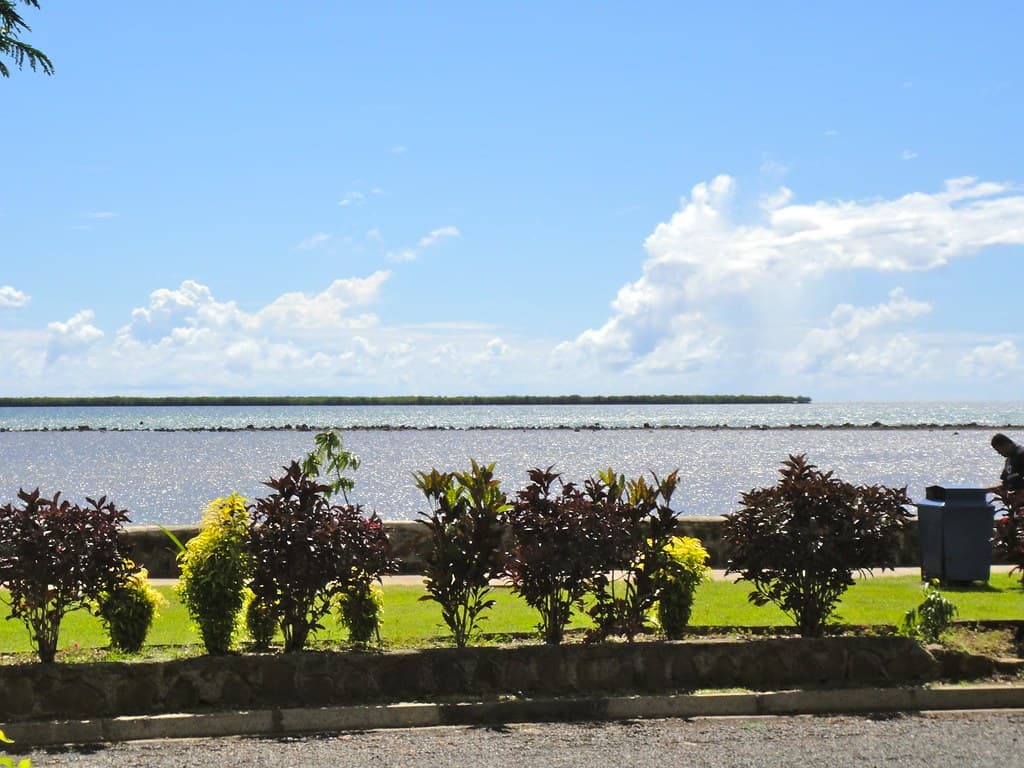
The foreshore runs narrow and manicured, a ribbon of imported sand and mown grass backed by a paved esplanade where families stroll after work and street vendors hawk ice blocks and grilled corn. The sand here is functional rather than photogenic—pale and coarse, often tracked with footprints from dawn walkers and neighborhood dogs. The water laps at a modest beach that disappears at high tide, but low tide exposes mudflats where herons stalk and children dig for clams.
What Lautoka's beach offers is context. To the north you see the smokestacks of the sugar mill—the economic heart that's defined this city for more than a century. To the south, the harbor bristles with cranes and container stacks, and the air carries hints of diesel and saltwater. Palms lean over the esplanade, their trunks whitewashed for civic pride, and benches face the water in tidy rows. You're more likely to see someone eating a curry roti than sunbathing, more likely to hear Hindi and Fijian than Australian accents.
 Credit: Unsplash
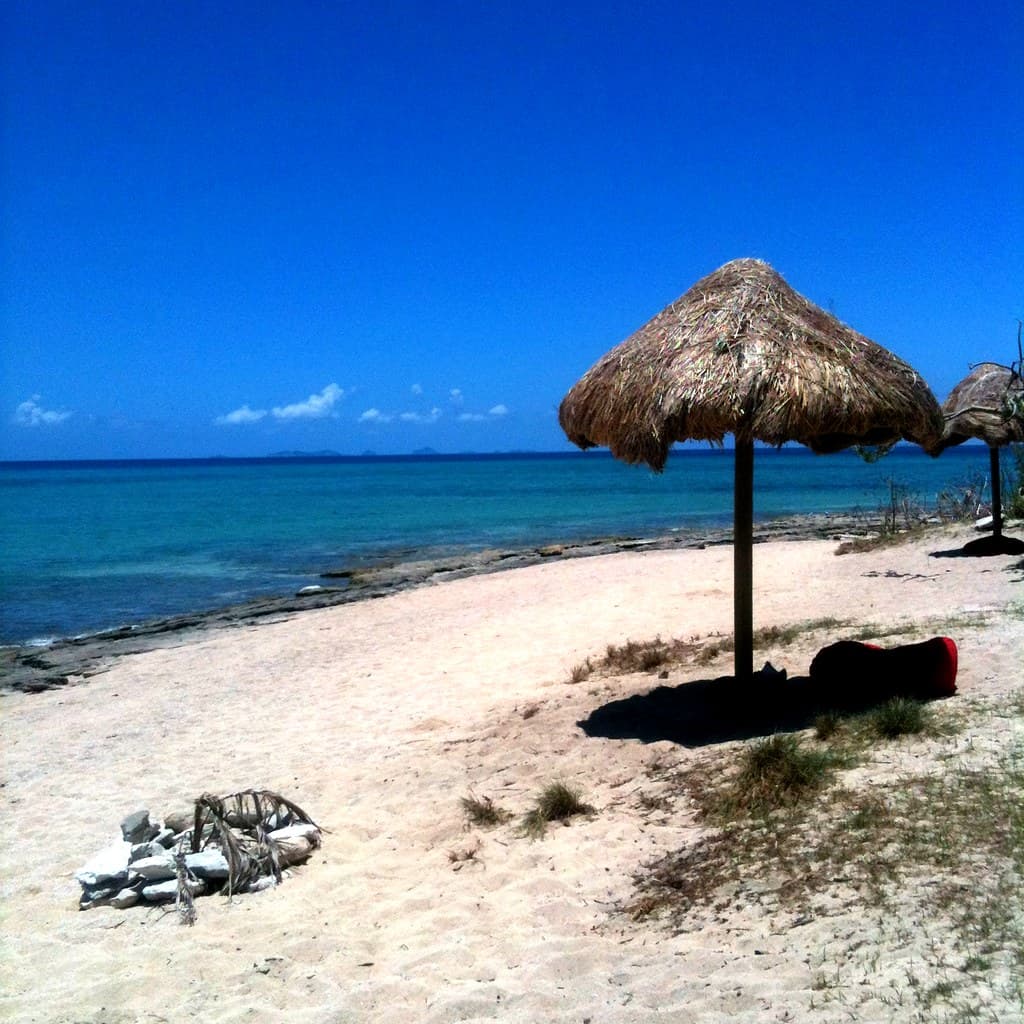
beach surrounded by trees
 Credit: Unsplash
beach under blue sky
Flat paved loops with views
Ice blocks and roasted corn
Ships and city against color
Prime Visitation
Anytime
Where it is
Lautoka Foreshore Beach
Lautoka, Western Division, Fiji
-17.603900°, 177.452600°
Weather
Loading…
Swell
—
Temp
Warm · Restorative
UV Index
Moderate
Wind
—
Tidal State
Last known
Max Sunlight
—
Ideal Shade
—
May - Sep (Peak)
Jan - Dec (Off-season)
Historical data suggests peak visibility and stable sea temperatures occur during the prime visitation window.
Select a category to load nearby places.
Unlock restaurants, luxury stays and curated maritime experiences within 2km
Lautoka Foreshore Beach is primarily an urban waterfront area rather than a traditional swimming beach. While water access exists, the foreshore is better suited for walking, socializing, and enjoying coastal views than serious swimming or beach activities. The area serves more as a recreational promenade where locals gather to relax and enjoy the sea breeze. If swimming is a priority, other beaches in the region offer better conditions. The foreshore's value lies in its urban-coast accessibility and social atmosphere rather than classic beach recreation.
Lautoka Foreshore Beach can be visited anytime throughout the year, as it functions primarily as an urban waterfront rather than a seasonal beach destination. Late afternoons and early evenings are particularly popular for enjoying sunsets and cooler temperatures after the day's heat. Weekends see more local activity and a livelier atmosphere. The dry season from May to October offers more comfortable weather conditions. The foreshore is also pleasant during cruise ship arrival days when the area becomes more vibrant with visitors and vendors adding to the urban energy.
Lautoka Foreshore Beach is extremely easy to reach as it's located right in Lautoka city center along the waterfront. From anywhere in Lautoka, you can walk or take a short taxi ride to the foreshore area. The location is well-known to locals and taxi drivers. If arriving from Nadi, take a taxi or bus to Lautoka city (approximately 30-40 minutes), then head to the waterfront. For cruise ship passengers, the foreshore is within walking distance of the port. Street parking is available nearby for those with rental cars.
As an urban waterfront, Lautoka Foreshore has better access to food and facilities than remote beaches. The area has occasional food vendors, and Lautoka's main commercial district is within walking distance, offering restaurants, cafes, and shops. Public facilities are available in the city center. Street food vendors sometimes operate in the area, especially during busy periods. For accommodation, Lautoka offers several hotels and guesthouses within the city. The foreshore's urban setting means conveniences like ATMs, pharmacies, and supermarkets are readily accessible nearby.
Lautoka Foreshore is unique as an urban waterfront experience rather than a traditional sandy resort beach. It serves as a social gathering space where locals meet, exercise, and relax while enjoying coastal views. The foreshore offers authentic insight into Lautoka city life and culture, with a vibrant atmosphere particularly during evenings and weekends. It's where urban convenience meets ocean access, making it valuable for travelers wanting to experience Fiji's second-largest city while still connecting with the coast. The setting emphasizes community vibes over pristine beach experiences.
Photos