Counting the waves…
Counting the waves…
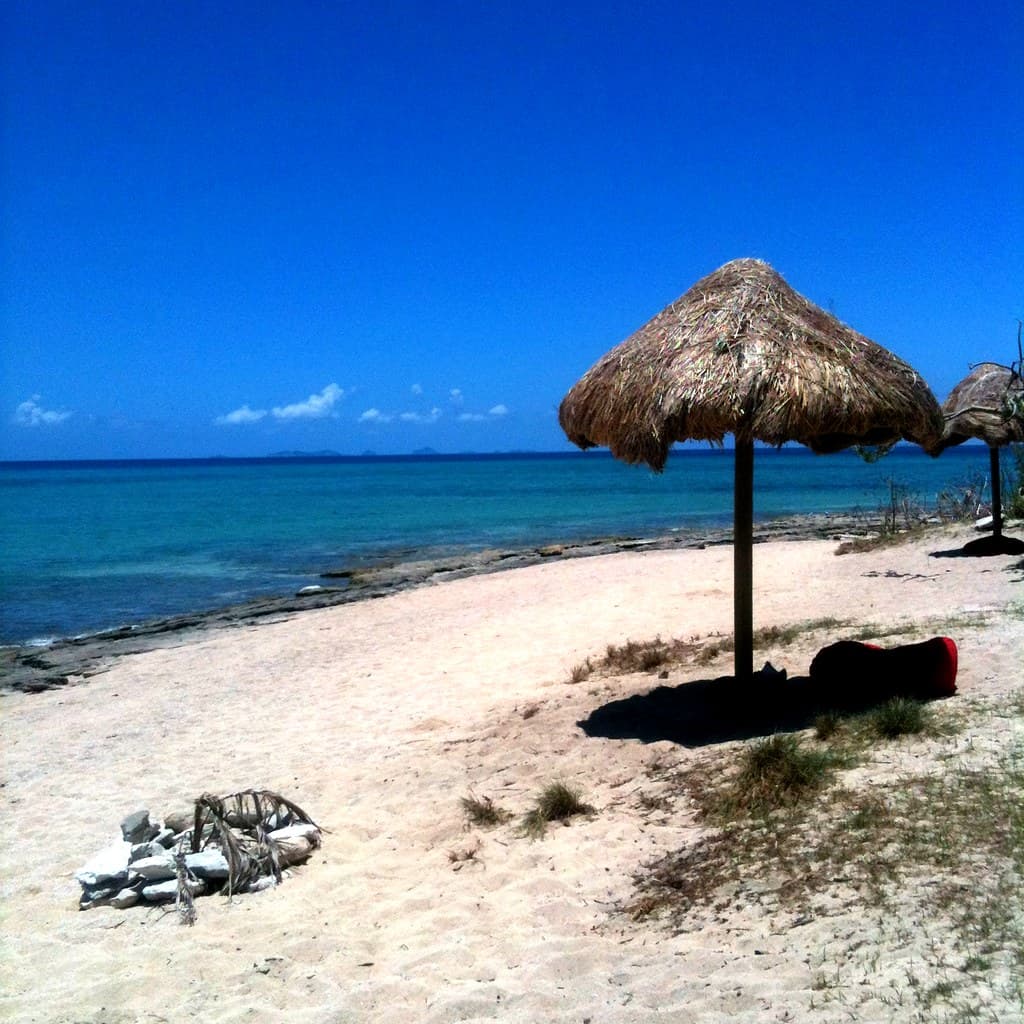
Turn off Kings Road near the Lomolomo village signage and follow red-dirt tracks through coconut plantations until the ocean announces itself—a line of darker blue visible through the palm trunks. The beach materializes in sections: here a sixty-meter crescent of beige sand backed by sea almonds, there a mangrove inlet where egrets hunt at low tide. Unlike the manicured resort beaches further south, Lomolomo operates without infrastructure—no lifeguard towers, no rental kiosks, no color-coded umbrellas in geometric rows. What it offers instead is space, and the particular quality of light that coastal Fiji possesses in the hour before noon, when the sun hasn't yet bleached all nuance from the landscape. Families from Lautoka colonize the shade trees on weekends, arriving with coolers full of cassava, taro, and marinated chicken destined for portable grills. Children construct elaborate sandcastles near the tide line while adults arrange themselves in camp chairs, occasionally wading into the shallows for temperature checks that confirm what everyone already knows: the water is perfectly, monotonously warm. The bay shelters this coast from serious swell; wavelets lap rather than crash, creating a soundscape more lullaby than percussion. Visibility underwater hovers around three meters on good days—this isn't snorkeling territory, though curious fish occasionally investigate swimmers' legs. The sunset geometry here puts the Mamanucas at a different angle than the Nadi beaches, stacking the islands like receding stage flats as the light drains west. Frigatebirds wheel overhead, their forked tails unmistakable even in silhouette. By the time full dark arrives, Lomolomo returns to the village dogs and hermit crabs, the weekend crowds dispersed back to Lautoka's suburbs, leaving only tire tracks in the sand and the faint charcoal smell of extinguished cooking fires.
Places, rentals, tours and events within walking and driving distance of Lomolomo Beach.
Photos
Lomolomo Beach is generally safe for families and swimming, offering a quiet, sandy coastline suitable for children and casual swimmers. As a local beach, it typically lacks lifeguard services, so adult supervision is essential for young swimmers. Conditions are calmest during Fiji's dry season (May-October) when seas are more predictable. Always check local conditions before swimming and be aware of tides and currents. The beach's family-friendly reputation suggests it's regularly used by local families, indicating generally safe conditions. Avoid swimming during rough weather or strong winds, and ask nearby residents about any specific concerns.
The best time to visit Lomolomo Beach is during Fiji's dry season from May to October, when you'll experience sunny weather, calm seas, and minimal rainfall. This period is ideal for beach activities and sunset viewing, one of the beach's highlights. The beach maintains low visitor numbers year-round, making it excellent for travelers seeking peaceful, uncrowded coastal experiences. Late afternoon visits are particularly rewarding for sunset photography. Since it's off the typical tourist path, you'll enjoy a quiet atmosphere even during Fiji's peak season, offering an authentic local beach experience whenever you visit.
Lomolomo Beach is located on the quiet coastline between Vuda and Lautoka on Viti Levu's western shore. From Lautoka, travel south along the Queens Road toward Nadi; the beach is a short distance away, typically 10-20 minutes by car. From Nadi, head north toward Lautoka (approximately 20-30 minutes). Local buses run between Nadi and Lautoka along the Queens Road, though you may need to ask the driver about the nearest stop. A taxi or rental car offers the most convenient access. Ask locals for specific directions to coastal access points once you're in the area.
Lomolomo Beach is a local area with limited tourist infrastructure directly at the beach itself. You may find small local shops or roadside vendors in nearby communities, but dedicated beach restaurants are uncommon. The Vuda area and Lautoka (a short drive away) offer more comprehensive dining options including local eateries and restaurants. For accommodation, Vuda Marina and Lautoka provide various choices from budget guesthouses to hotels. Many visitors treat Lomolomo as a day trip destination, bringing their own refreshments. The quiet, undeveloped nature is part of the beach's appeal for those seeking an authentic, non-commercialized experience.
Lomolomo Beach stands out for its quiet, hidden location between the Vuda and Lautoka areas, offering a peaceful alternative to busy resort beaches. Unlike commercialized coastal areas, this local beach provides an authentic experience where you can enjoy the coastline as Fijian families do. The beach is particularly valued for its beautiful sunset views over the Pacific Ocean, with minimal development to obstruct the natural scenery. Its family-friendly atmosphere and sandy shoreline make it accessible while maintaining a hidden-gem quality. For travelers exploring the Lautoka region, Lomolomo offers a genuine, uncrowded coastal escape off the typical tourist trail.