Counting the waves…
Counting the waves…
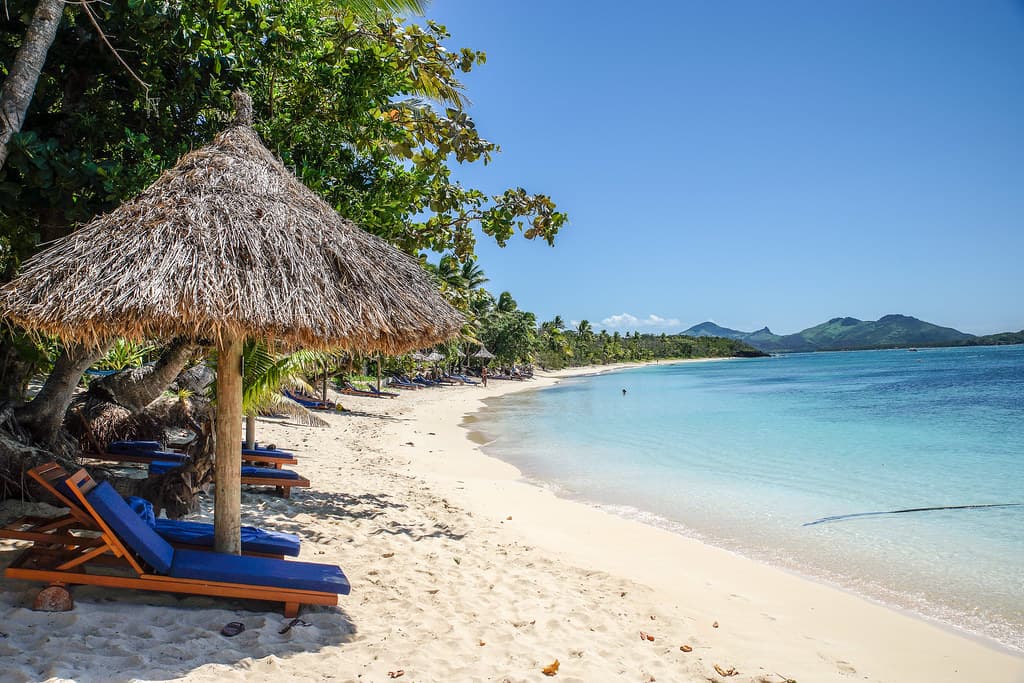
Vuaki Beach belongs first to the village that shares its name—a cluster of wood-and-tin houses set back behind a screen of coconut palms. The beach itself is narrow at high tide, widening to reveal tide pools and coral rubble when the water retreats. The sand is white but not powdery; it has texture and weight, mixed with shell fragments and small stones that massage your feet as you walk. Fishing nets hang from poles, and plastic buckets sit half-buried near the waterline, used for gathering shellfish or rinsing reef fish. The reef begins fifty yards out, a dark band where the shallow turquoise deepens abruptly. You can swim to it easily—the water is bath-warm and the current negligible—and once you put your mask under, the world transforms into gardens of staghorn coral, table corals wide as dining tables, and clouds of yellow fusiliers moving in synchronized pulses. Villagers free-dive here for octopus and spiny lobster; you'll see them surface with their catch, breathing hard, then swim back down without fins. On the beach, life proceeds without acknowledging your presence. Women weave palm fronds into baskets. Children chase each other with sticks. A pig wanders down from the village, roots briefly in the sand, then ambles back. There's no guesthouse here, no tourism infrastructure beyond the occasional kayaker paddling past. You've come because someone in the village said you could, and you'll leave when the boat comes back. The beach is a workplace, a playground, and a front yard, and you're briefly permitted to share it.
Places, rentals, tours and events within walking and driving distance of Vuaki Beach.
Photos
Vuaki Beach generally offers safe swimming conditions, particularly during calm weather in the dry season (May-October). The nearby reef provides excellent snorkeling opportunities, but always assess conditions before entering the water and respect local advice about currents and tides. Reef shoes are highly recommended to protect against coral cuts and sea urchins. The beach's village connection means local knowledge is readily available—ask residents about the safest entry points and current conditions. Always snorkel with a buddy and stay aware of boat traffic in the area.
The ideal time to visit Vuaki Beach is during Fiji's dry season from May to October, when weather is most reliable and seas are calmest for snorkeling. These months offer the best underwater visibility for exploring the nearby reef. Visiting during shoulder seasons (May-June or September-October) means fewer tourists and better opportunities to interact with the local village community. The wet season (November-April) brings higher rainfall and occasional cyclone risk, though the island remains beautiful and green. Plan around the Yasawa Flyer ferry schedule for easiest access.
Getting to Vuaki Beach requires traveling to Matacawalevu Island in the northern Yasawa Islands. The Yasawa Flyer catamaran departs daily from Port Denarau (near Nadi) and stops at Matacawalevu; the journey takes 4-5 hours depending on stops. From the ferry drop-off, access to Vuaki Beach depends on where you're staying—some resorts offer transfers, while the beach may be walkable from village accommodations. Due to the village location, it's respectful to arrange visits through local lodging or tour operators who can facilitate proper introductions to the community.
Matacawalevu Island offers limited but authentic accommodation options, typically small guesthouses or homestays run by village families near Vuaki Beach. These provide a genuine cultural experience with home-cooked Fijian meals, often featuring fresh fish and locally grown produce. Expect basic facilities rather than resort amenities. Meals are usually included in accommodation packages. There are no restaurants or shops on the island, so bring any special dietary items or snacks from the mainland. The village-based tourism model means your stay directly benefits the local community.
Vuaki Beach stands out for its authentic village atmosphere and genuine local-island character that's increasingly rare in the developed Yasawas. Unlike resort-dominated beaches, this is a community beach where you'll interact with Fijian families and experience traditional island life. The reef access provides excellent snorkeling right from shore, and the village connection offers cultural experiences like kava ceremonies or church visits if you're interested. The beach maintains low tourism visibility, meaning you'll encounter very few other visitors and enjoy a more intimate, less commercialized Fijian experience.