

The bay curves in a tight embrace, protecting a wedge of sand no more than fifty meters long. At high tide, the beach shrinks to a ribbon barely wide enough for two towels; at low tide, sandbars emerge offshore where you can stand knee-deep and watch needlefish dart through the shallows. The reef encircles the bay, close enough that you hear waves grinding coral into the sand that collects here.
“The island is so small and off-circuit that your footprints may be the only ones on the sand all day.”
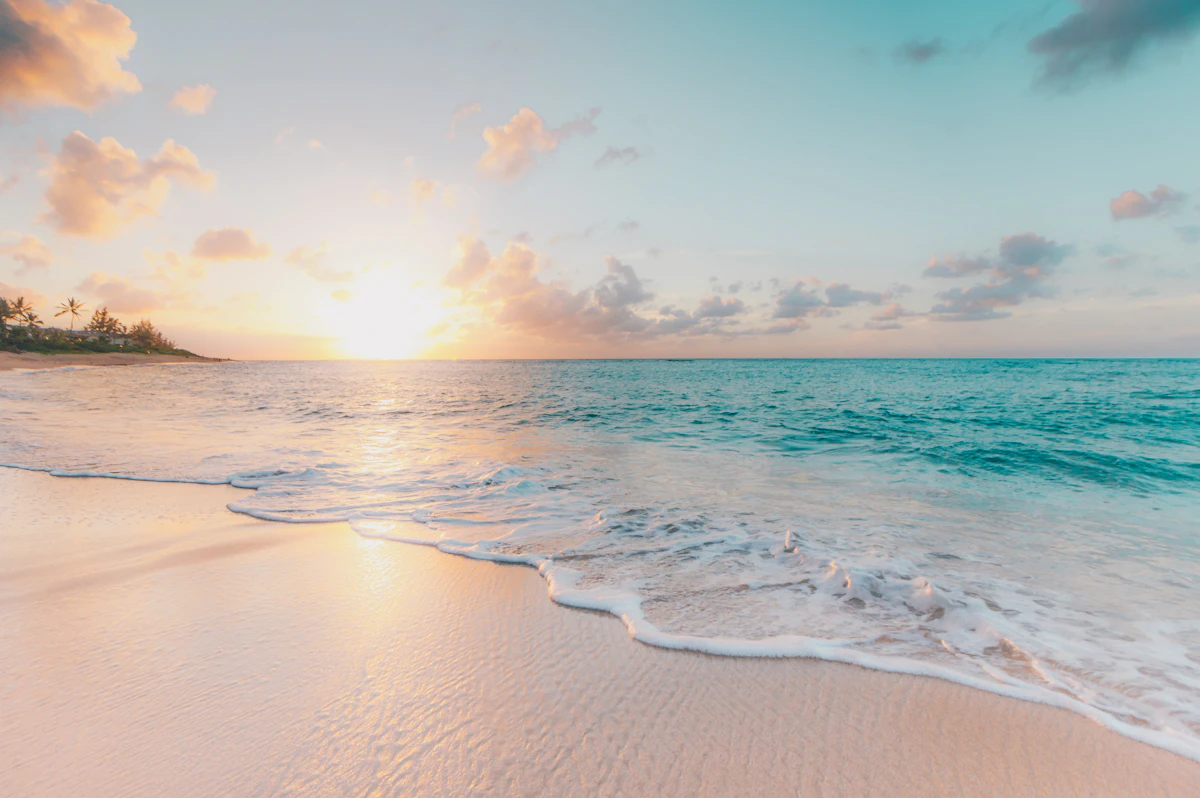 Credit: Unsplash
Aerial view of turquoise tropical bay
Sailboats anchor in the deeper water, their crews rowing dinghies to shore for sundowners on the beach. You'll notice the quiet—no music, no engines, just the creak of rigging and the slap of water against hulls. The bay faces east, so mornings arrive bright and early, sunlight pouring over the ridge and setting the shallows aglow. By afternoon, the beach falls into shade, and the temperature drops just enough to make lying in the sand comfortable again.
Getting here requires intent. Day charters sometimes add Narara to their route, but most visitors arrive on private boats or as part of multi-day sailing itineraries. There's no dock, no facilities, no vendors—just the bay, the beach, and whoever else decided this forgotten curve of sand was worth the detour. The isolation feels earned, the kind of place that rewards those who sought it rather than those who followed signs.


