Counting the waves…
Counting the waves…

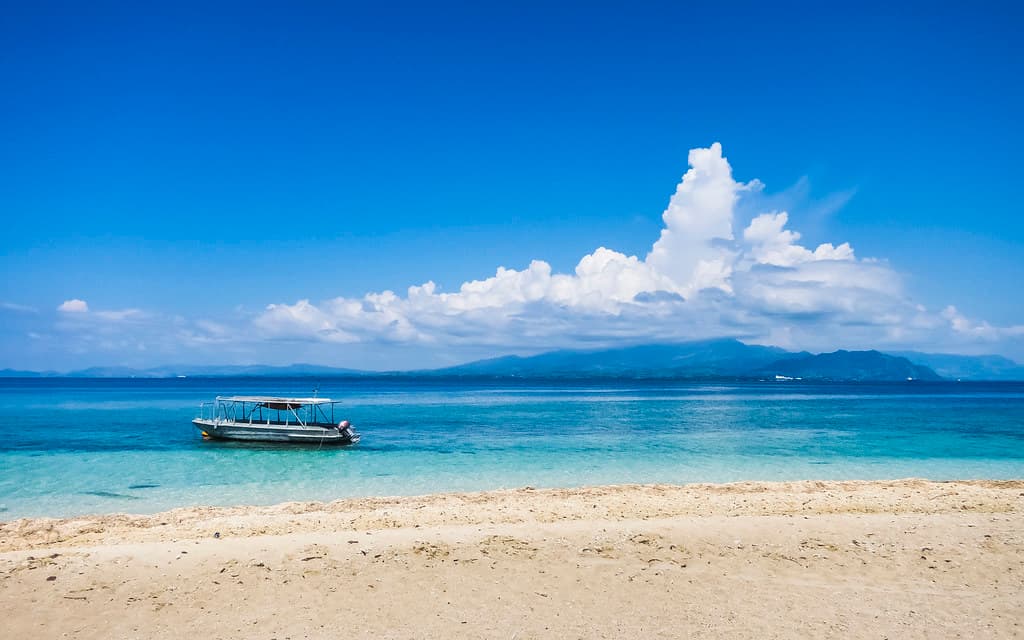
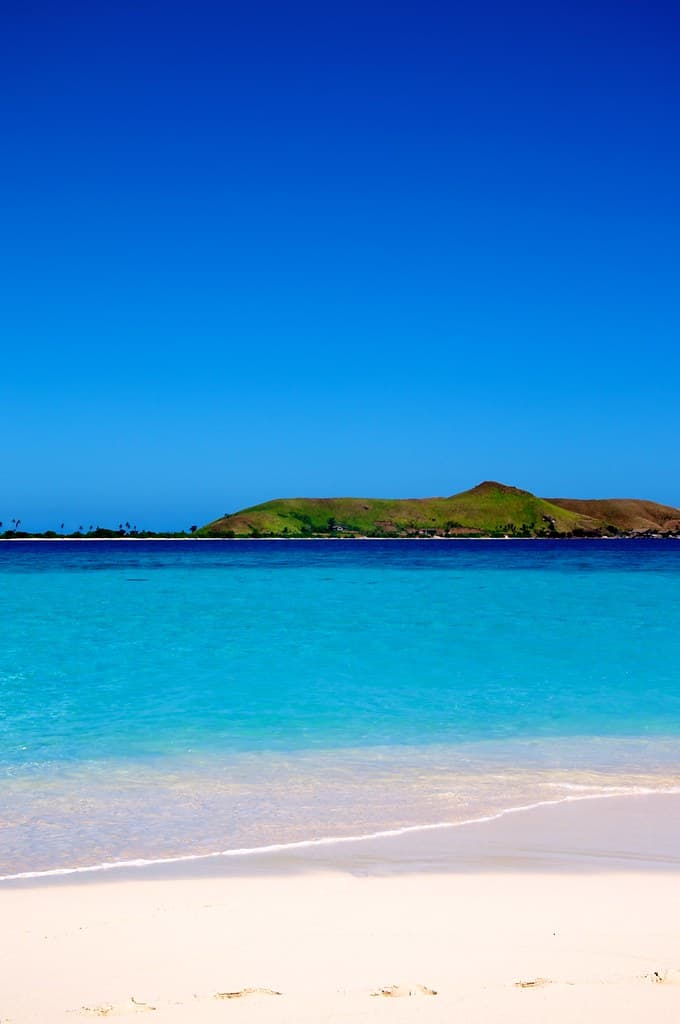
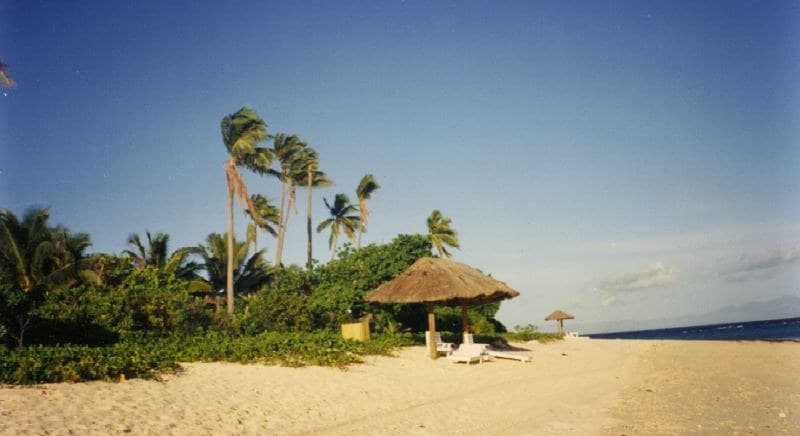
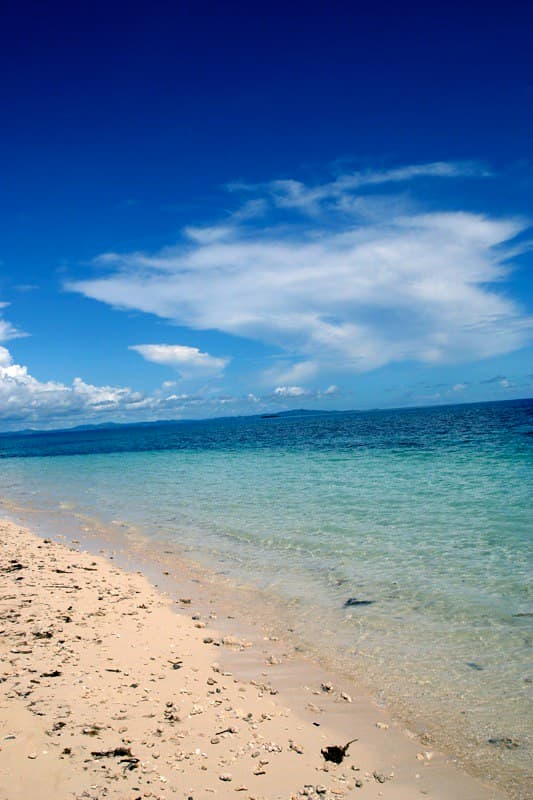
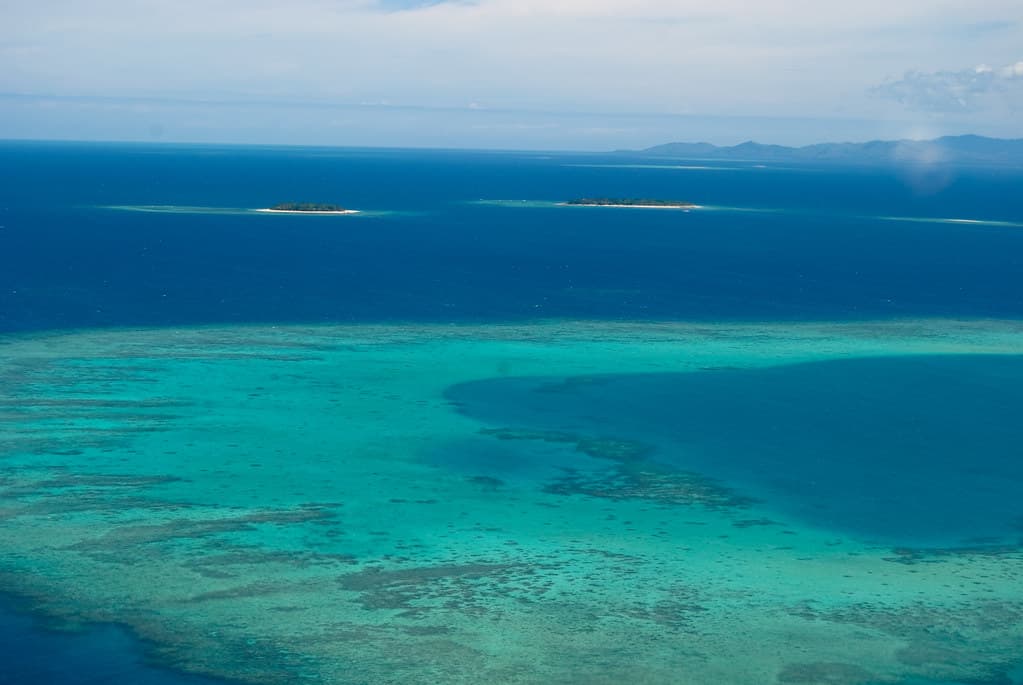
You'll smell the island before you see it—salt spray mingled with coconut oil and grilling mahi-mahi drifting over the lagoon as the catamaran cuts its engine. Treasure Island sits low and green in the Mamanucas, its beach barely two hundred meters end to end, fringed by pandanus and ironwood trees that rattle in the trade winds. The sand compresses underfoot with a soft squeak, fine as confectioner's sugar, warm enough at midday to make you quickstep toward the waterline. What this beach lacks in size it returns in accessibility. The house reef begins fifteen meters from shore, marked by a sudden shift from pale sand to darker coral heads. You wade out in borrowed fins, and within three strokes you're hovering over staghorn formations where damselfish defend their territories and giant clams yawn open in the current. Families cluster in the shallows, children shrieking each time a sergeant major nibbles at their toes, while parents float belly-down with rented snorkel sets, tracking schools of fusiliers that move like silver ribbons through the blue. By late afternoon the beach empties as guests retreat to hammocks strung between palms. The sun angles low, turning the water from teal to honey-gold, and the only sounds are the rhythmic wash of small waves and the distant thunk of a machete opening coconuts at the beach bar. This is Fiji distilled to its essence—uncomplicated, generous, close enough to touch.
Places, rentals, tours and events within walking and driving distance of Treasure Island Beach.
Photos
Treasure Island Beach is generally safe for swimming and suitable for families, with calm, sheltered waters inside the lagoon. The protected reef creates gentle conditions ideal for beginner snorkelers. However, always check tide times and current conditions with resort staff before entering the water. The fringing reef is easily accessible from shore, making it convenient for snorkeling without needing a boat. Wear reef shoes to protect against coral and sea urchins. Supervision of children is essential, and staying within the lagoon's protected areas ensures the safest swimming experience.
The best time to visit Treasure Island Beach is during Fiji's dry season from May to October, when you'll enjoy sunny days, lower humidity, and calmer seas perfect for snorkeling. Water visibility is typically excellent during these months. Temperatures range from 23-28°C (73-82°F). The wet season (November to April) brings occasional tropical showers and higher humidity, though water temperatures remain warm year-round at 25-29°C. June through September offers the most reliable weather, though this is also peak tourist season, so book accommodations well in advance.
Treasure Island is accessible only by boat from Nadi's Port Denarau marina. The journey takes approximately 40-50 minutes via the South Sea Cruises catamaran, which operates daily transfers to the Mamanuca Islands. Most resorts include boat transfers in their packages, but you can also book individual seats on the scheduled ferry services. There's secure parking available at Port Denarau if you're driving from Nadi Airport (20 minutes). Helicopter transfers are also available for those seeking a faster, more scenic route to the island.
Treasure Island is home to Treasure Island Resort, which provides the main accommodation and dining on the island. The resort offers beachfront bures (traditional Fijian bungalows), hotel rooms, and family-friendly facilities including restaurants serving Fijian and international cuisine. Most visitors book meal plans as there are limited independent dining options on this small island. The resort has a bar, beach activities, and essential amenities. For more dining variety, you'd need to take day trips to neighboring islands or return to mainland Viti Levu.
Yes, one of Treasure Island Beach's best features is excellent shore-accessible snorkeling right from the beach. The fringing coral reef lies just 50-100 meters offshore, easily reachable by swimming from the beach. You'll encounter colorful tropical fish, coral formations, and clear turquoise water without needing a boat tour. The shallow lagoon makes it perfect for families and beginners. Many visitors bring their own snorkel gear, though equipment is available for rent at the resort. The best snorkeling is typically during high tide when water clarity improves.