Counting the waves…
Counting the waves…

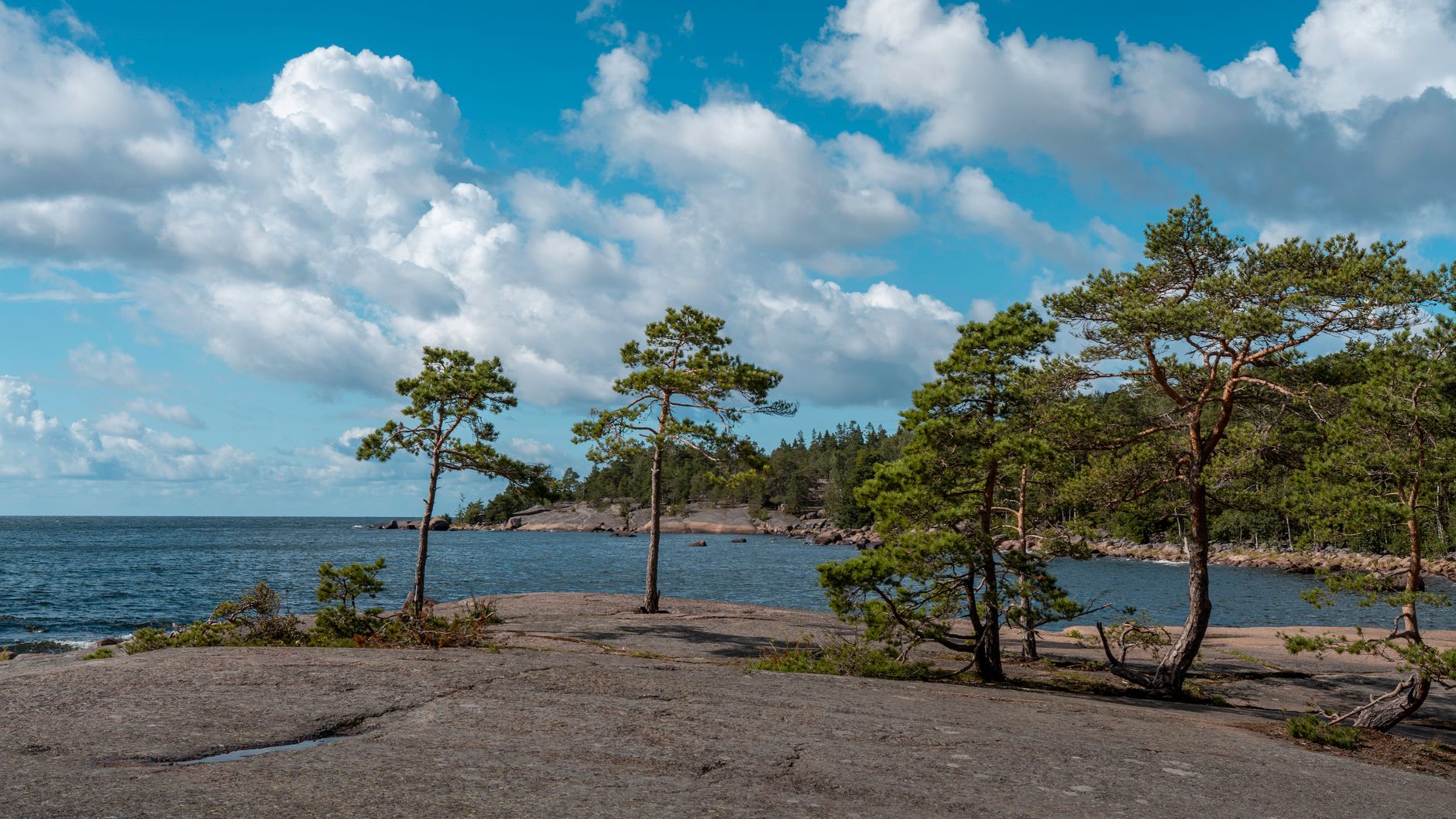
Norrskata's western shore is all about aspect and exposure—the granite dips gently seaward, creating terraced platforms that funnel your gaze toward the point where sky bleeds into Baltic. By late afternoon, the rock radiates accumulated heat; you spread a towel on stone that feels hand-warmed and watch the water shift from steel to honey to copper as the sun tracks lower. Small waves refract around the offshore skerries, arriving as gentle swells that slosh rhythmically against the ledges. The water entry is methodical: you lower yourself from ledge to ledge, testing footholds worn smooth by decades of bathers, until the depth allows swimming. The bottom drops to four meters within twenty strokes, the granite continuing its orderly descent into murk stained bronze by coastal humus. When you surface, the late sun sits directly ahead, turning the wavelets into a field of moving mirrors. Sunset here isn't performative—no crowds, no commentary, just geology and light conducting their nightly transaction. The rock mass beneath you releases the day's heat slowly; you stay warm long after the sun drops, wrapped in a towel while the afterglow fades through pink to violet. By the time you motor back toward the main island, the first stars prick through overhead and the lighthouse at Bengtskär begins its sweep to the south.
Places, rentals, tours and events within walking and driving distance of Norrskata West Beach.
Photos
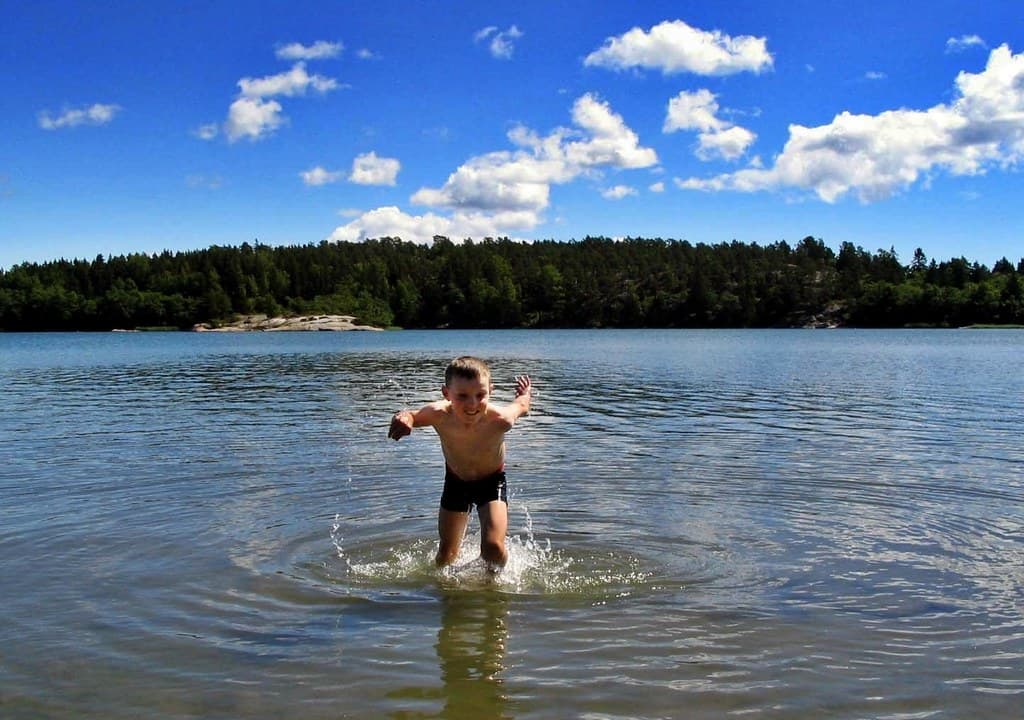
Swimming at Norrskata West Beach requires caution due to its rocky nature. Entry points are limited and rocks can be slippery, making careful footing essential. The rocky bottom continues underwater, so swim shoes are highly recommended. Water depth increases more irregularly than at sandy beaches, requiring swimmers to be confident and aware. The remote island location means no lifeguards or immediate emergency services. However, the Archipelago Sea generally has calmer conditions than open ocean, and water quality is excellent. Experienced swimmers familiar with rocky coastlines will find it manageable, but it's less suitable for young children or novice swimmers.
Norrskata West Beach rewards visitors most during shoulder seasons—late May to mid-June and late August through September—when crowds are minimal and the west-facing orientation provides stunning sunset light. July offers warmest weather but more boat traffic in the archipelago. The beach's sunset appeal peaks as summer progresses into autumn when the sun sets lower on the horizon, creating dramatic colors. Weekdays always offer more solitude. Early autumn brings rich golden light and near-solitude, though cooler temperatures. Calm weather windows are essential for this exposed location; check marine forecasts before visiting this outer archipelago destination.
Reaching Norrskata West Beach requires boat access, as it's located in Finland's outer Archipelago Sea islands. Private boat is the most flexible option, requiring navigation skills and suitable vessel for archipelago waters. Water taxis or charter boats from mainland harbors in the Åboland region can arrange transport with advance booking, though services are limited to this specific outer island. Some archipelago tours might pass nearby but rarely land here. The journey involves navigating through intricate island channels; detailed marine charts are essential. This remoteness is intentional—the beach attracts those seeking true seclusion and wilderness coastal experience.
Norrskata West Beach has essentially no facilities, maintaining complete natural character. Visitors must be entirely self-sufficient, bringing all food, water, and supplies. No restaurants, shops, or accommodations exist on this small outer island. The nearest services are on larger archipelago islands or mainland communities, requiring boat travel. This absence of infrastructure is precisely the appeal—wilderness coastal experience without commercial development. Visitors should pack out all waste, respect the fragile island environment, and prepare for basic outdoor conditions. Overnight stays would require camping equipment or boat-based accommodation, always respecting local regulations and private property boundaries.
Norrskata West Beach's distinctiveness lies in its west-facing rocky orientation in the outer Archipelago Sea, offering sunset views rare in Finland's typically sheltered eastern-facing archipelago beaches. Its minimal visibility on generic maps preserves authentic isolation for those willing to navigate there. The rocky character differs from common sandy beaches, appealing to visitors seeking rugged coastal landscapes. The beach embodies the outer archipelago's wild beauty—exposed bedrock, sparse vegetation, expansive sea views, and profound silence. It represents adventure-oriented coastal exploration rather than resort-style beach visits, attracting sailors, kayakers, and wilderness enthusiasts seeking Finland's maritime edge.