Counting the waves…
Counting the waves…
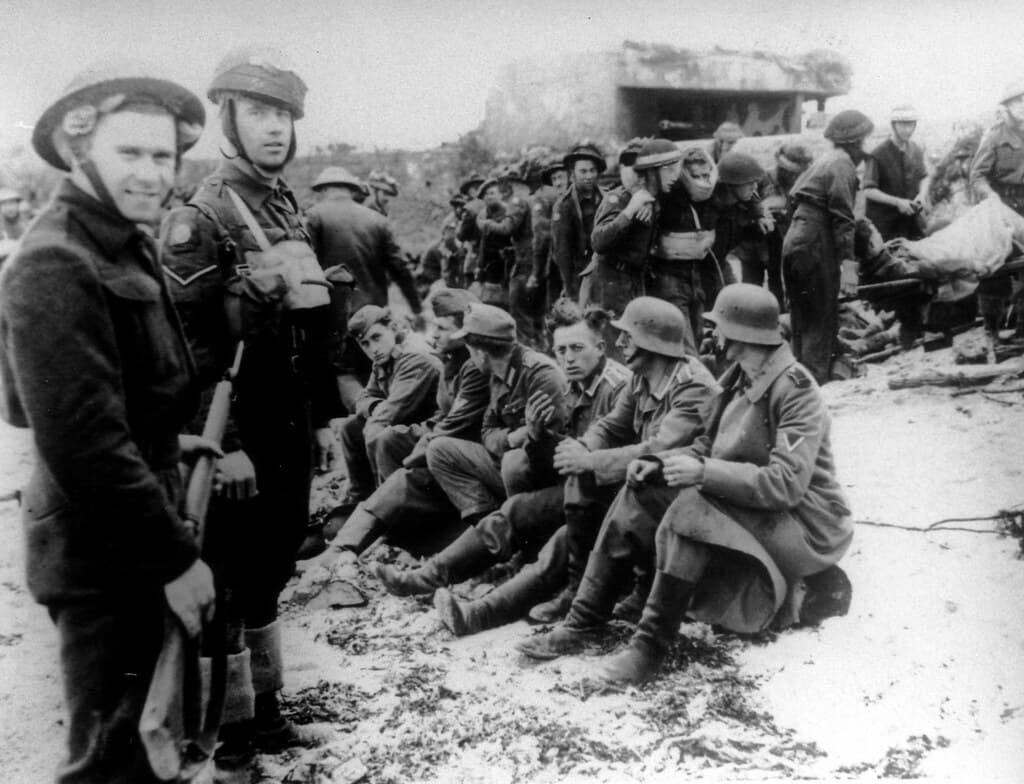
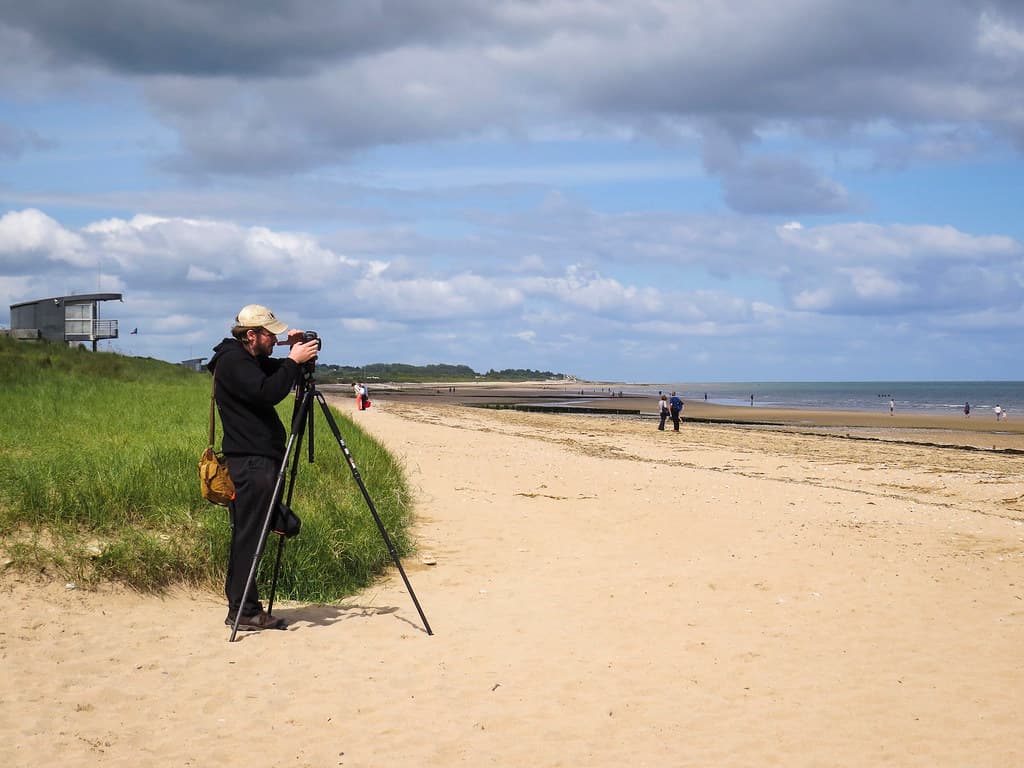
The beachfront at Bernières-sur-Mer stretches four kilometres along the Calvados coast, its fine grey sand interrupted by the deliberate geometry of Second World War defences. At low tide, you can walk out two hundred metres to examine barnacle-crusted pillboxes, their gun slits now framing views of sailboats instead of invasion flotillas. The Rue de la Mer leads straight from town to the shore, passing the stone villas where Régiment de la Chaudière fought house-to-house eighty years ago. Families spread blankets near the lifeguard station in summer, while retirees claim the benches that line the seawall promenade. The water temperature rarely climbs above eighteen degrees Celsius, even in August, so you'll see more children building sand ramparts than swimming. Local fishermen launch aluminum skiffs from the boat ramp each morning, returning with spider crabs and Dover sole that appear on chalkboard menus by evening. The light softens to amber an hour before sunset, casting long shadows from the remaining beach obstacles and turning the wet sand into a mirror. You can walk west toward Courseulles-sur-Mer or east to Saint-Aubin, the firm shore making an easy five-kilometre route in either direction. The Musée Juno Beach sits just behind the dunes, its entrance marked by a Sherman tank turret and the maple leaf flag that snaps in the constant offshore wind.
Places, rentals, tours and events within walking and driving distance of Plage de Bernières-sur-Mer.
Photos
Plage de Bernières-sur-Mer is generally safe for swimming during summer months when lifeguards are on duty. The beach has gentle slopes and sandy bottom, making it suitable for families with children. However, like many Normandy beaches, tides can be significant, so check tide times before entering the water. Strong currents may occur during high tide or rough weather. Supervised swimming areas are clearly marked during peak season (typically July-August). Always observe warning flags and follow lifeguard instructions for safe bathing conditions.
The best time to visit depends on your priorities. Summer (June-August) offers warmest weather with temperatures around 18-22°C, ideal for beach activities and swimming, though it's busiest. Spring and autumn provide pleasant conditions for walks and fewer crowds, perfect for historical exploration of the D-Day landing site. Winter visits appeal to those seeking solitude and dramatic coastal scenery. For optimal beach weather with manageable crowds, consider late June or September. The beach faces north, offering excellent conditions for sunset viewing year-round.
Bernières-sur-Mer is located 20km north of Caen in Normandy. By car, take the D514 from Caen (approximately 25 minutes). Several free parking areas are available along Rue de la Mer and near the beachfront, though spaces fill quickly in summer. By public transport, take Bus Nomad line 61 from Caen, which runs regularly during summer months. The nearest train station is Luc-sur-Mer (3km away). The beach is easily accessible on foot from the town centre, with a promenade leading directly to the sand.
Bernières-sur-Mer offers various dining options along the beachfront promenade, including seafood restaurants, crêperies, and casual cafés serving fresh Normandy specialties like moules-frites and local oysters. Several beachside establishments have terraces with sea views. Accommodation ranges from small hotels and chambres d'hôtes (B&Bs) to vacation rentals and campsites. Nearby towns like Courseulles-sur-Mer (4km) provide additional options. Basic beach amenities include public toilets and seasonal food kiosks. For more extensive services, Caen is 20 minutes away by car.
Bernières-sur-Mer was part of Juno Beach, where Canadian forces landed on D-Day, June 6, 1944. The beach features several historical markers and monuments commemorating the Regina Rifle Regiment and Queen's Own Rifles who landed here. You can see preserved bunkers and defensive positions along the shoreline. A Canadian flag flies permanently on the beachfront. While the main Juno Beach Centre museum is in nearby Courseulles-sur-Mer (4km), Bernières offers a quieter, reflective setting to understand the Canadian contribution to D-Day landings with visible wartime remnants still present.