Counting the waves…
Counting the waves…
A refined fusion of water purity, environmental stability, and communal vibrancy for Plage de Courseulles-sur-Mer.
View MethodologyAnalyzed via live sensors and environmental data.
Wave height, wind, and atmospheric stability.
Live footfall and crowd balance metrics.
Community reviews and curated sentiment.
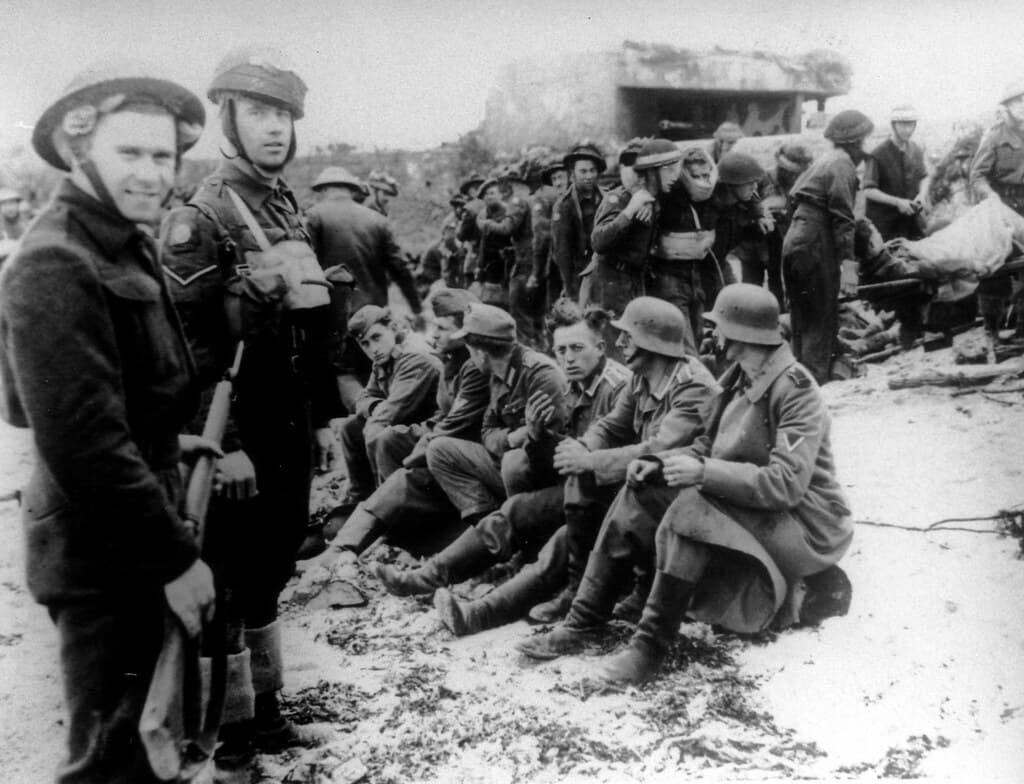
“The breeze off the English Channel carries salt and memory here. You'll walk the same tawny sand where Canadian forces stormed ashore on June 6, 1944, then watch children build sandcastles near the cross of Lorraine. By…”
Higher weekend density may affect water purity and crowd scores temporarily.
Courseulles sprawls along a gentle crescent where the Seulles River meets the sea, its wide beach bookended by a working marina and the stark white cross that marks Juno Beach. The sand itself feels different when you know what happened here—grainier, heavier with context. At low tide, the beach stretches nearly a hundred meters out, revealing oyster beds and the occasional corroded metal shard half-buried in wet sand. Families stake claims with striped windbreaks while you spot plaques embedded in the seawall, each commemorating a regiment.
The promenade hums with the everyday rhythms of a Norman seaside town: the *tabac* selling newspapers, the creperie wafting buckwheat and butter, pensioners on benches watching sailboats tack across the bay. Behind you, postwar apartment blocks and Belle Époque villas jostle for sea views. The water stays bracing even in July—this is the Channel, after all—but that doesn't stop wetsuit-clad locals from windsurfing past the jetty or teenagers from plunging off the pier.
 Credit: Unsplash
body of water under white sky during daytime
 Credit: Unsplash
people on a beach
Canadian war museum steps away
Fines de Claire by dozen
Sandbar wading and tide pools
Where it is
Plage de Courseulles-sur-Mer
Courseulles-sur-Mer, Calvados, France
49.333300°, -0.456400°
Weather
Loading…
Swell
—
Temp
Warm · Restorative
UV Index
Moderate
Wind
—
Tidal State
Last known
Max Sunlight
—
Ideal Shade
—
May - Sep (Peak)
Jan - Dec (Off-season)
Historical data suggests peak visibility and stable sea temperatures occur during the prime visitation window.
Select a category to load nearby places.
Unlock restaurants, luxury stays and curated maritime experiences within 2km
Plage de Courseulles-sur-Mer is generally safe for swimming during summer months when lifeguards are on duty. The beach features gentle slopes and moderate waves, making it suitable for families with children. However, tides along the Normandy coast can be strong, so always check local tide tables and swim in designated supervised areas. During off-season, no lifeguards are present, so extra caution is advised. The beach displays flag warning systems indicating daily conditions, and facilities include first aid stations during peak season.
The best time to visit is June through September when temperatures range from 18-22°C and swimming is most comfortable. July and August offer warmest water temperatures and full beach services, though crowds peak during French school holidays. Late spring and early autumn provide pleasant weather with fewer visitors, ideal for walks and historical exploration. Winter visits suit those interested in D-Day history and dramatic coastal scenery, but expect cooler temperatures around 8-10°C and limited amenities. The beach offers year-round appeal depending on your interests.
Courseulles-sur-Mer is located 20km north of Caen, accessible via D7 or D79 roads. By car from Caen, the journey takes approximately 25 minutes. Several free and paid parking lots are available near the beach, including along Avenue de la Combattante and near the town center. Parking fills quickly in summer, so arrive early. The town is also accessible by bus from Caen (Bus Verts line). The nearest train station is in Caen, requiring onward bus or taxi transport.
The beachfront promenade features numerous restaurants specializing in fresh seafood, particularly oysters and mussels from local beds. Crêperies, cafés, and ice cream shops line the waterfront. Essential amenities include public restrooms, showers, beach equipment rentals, and seasonal lifeguard stations. The town center offers supermarkets, bakeries, and shops within walking distance. Accommodation options range from beachfront hotels to vacation rentals and nearby campgrounds. Several beach clubs provide sunbed and umbrella rentals during summer months, along with water sports equipment.
Courseulles-sur-Mer was a key landing point on Juno Beach during the D-Day invasion. The Juno Beach Centre museum, located directly on the beach, offers comprehensive exhibits about Canadian forces' role in the Normandy landings. Remnants of the Mulberry Harbour are visible at low tide offshore. A Cross of Lorraine memorial and various plaques mark landing sites along the promenade. The Churchill tank displayed near the beach commemorates the historic events. Guided tours explore bunkers and fortifications from the Atlantic Wall still present in the area.
Photos