Counting the waves…
Counting the waves…

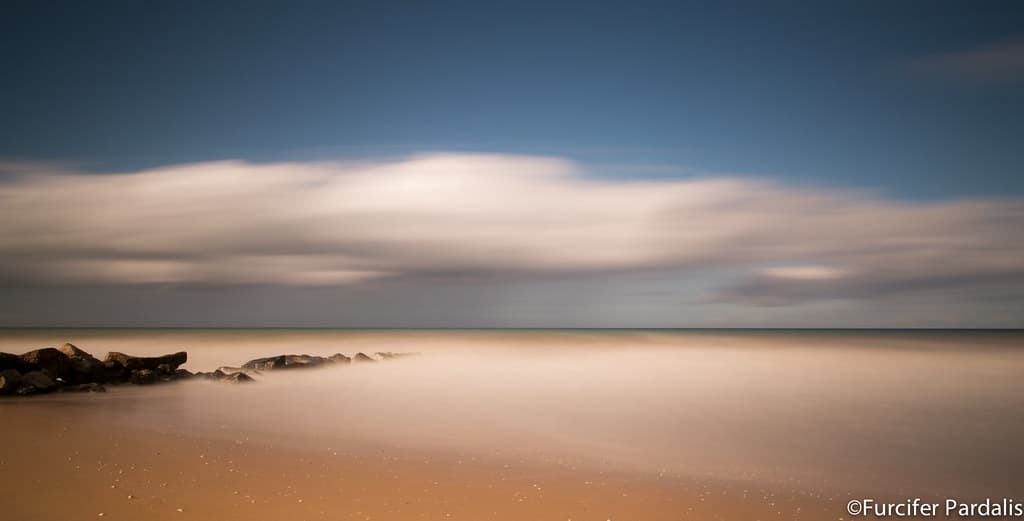
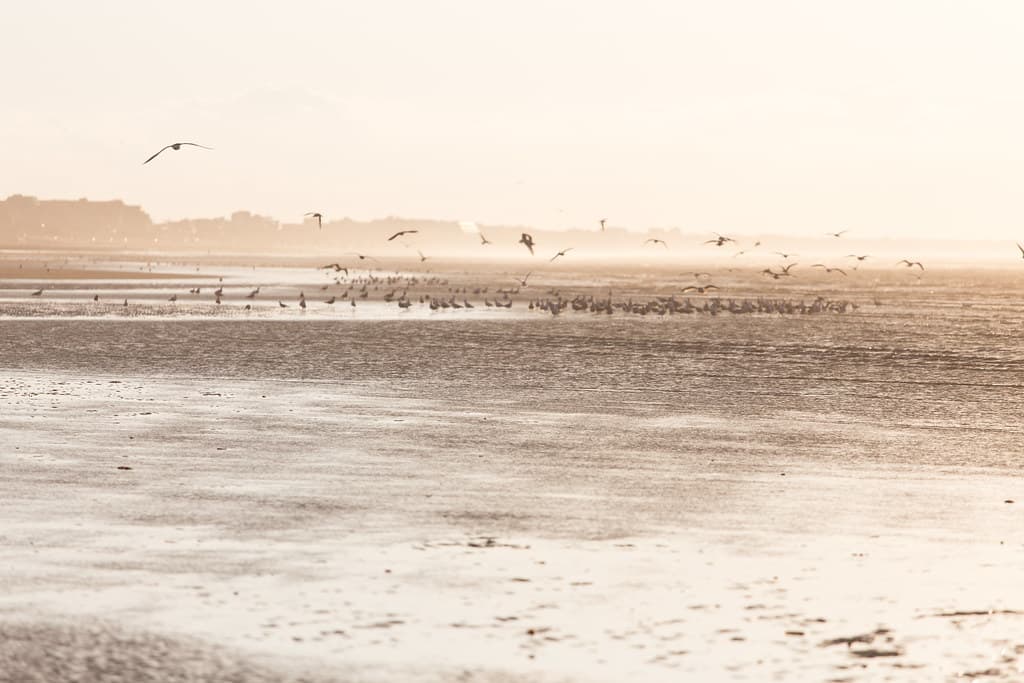
The Promenade Marcel Proust stretches along Cabourg's beachfront like a Belle Époque time machine, its wooden boards weathered by a century of salt air and footsteps. You'll feel the bounce underfoot as you pass the Grand Hôtel—still regal, still cream-colored—where the novelist spent summers writing and watching bathers. The beach itself unfurls eastward in a wide crescent, its sand pale gold and surprisingly firm when the tide pulls back, revealing acres of glistening foreshore where families stake out territory with windbreaks and folding chairs. This is Normandy beach culture at its most elegant and accessible. No cliffs, no drama—just a civilized expanse where retirees promenade in linen blazers and toddlers dig trenches with plastic spades. The water temperature hovers around 17°C in summer, bracing but swimmable, and the beach clubs rent candy-striped tents that recall 1920s postcards. When the afternoon light slants in from the west, the entire bay glows amber, and you understand why Impressionists kept coming back to this coast. Cabourg anchors the eastern end of the Côte Fleurie, the last significant beach before the coastline turns industrial toward Le Havre. It lacks Deauville's glitz and Honfleur's harbor charm, but that restraint is precisely the point—this is a beach for long walks, vanilla ice cream cones, and the particular pleasure of watching strangers build elaborate sand fortresses doomed by the next tide.
Places, rentals, tours and events within walking and driving distance of Plage de Cabourg.
Photos
Plage de Cabourg is generally safe for swimming and very family-friendly. The beach features lifeguard surveillance during summer months (typically July-August). The sandy shore is wide with gentle slopes into the water, making it suitable for children. Tides in this Normandy region can be significant, so check local tide tables before swimming. The beach is well-maintained and cleaned regularly. The promenade area is easily accessible with strollers and wheelchairs. As with any beach, supervise children closely and respect posted flags and warnings.
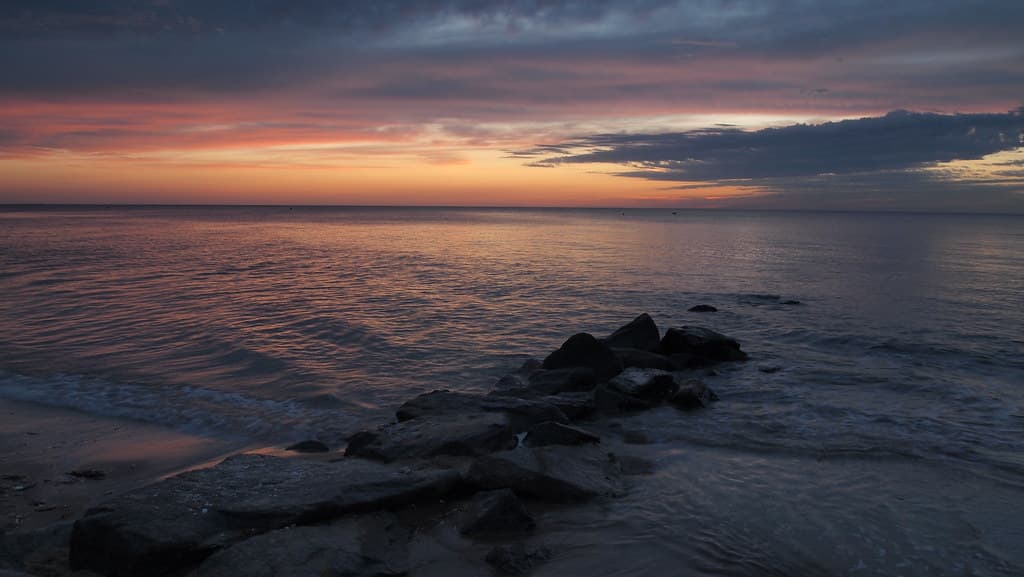
Plage de Cabourg can be enjoyed year-round, though each season offers different experiences. Summer (June-September) provides warmest weather for swimming and sunbathing, with temperatures averaging 18-22°C. Spring and autumn offer pleasant walking conditions with fewer crowds and beautiful light for photography. Winter brings bracing seaside walks and dramatic wave watching. The beach faces northwest, making it excellent for sunset viewing throughout the year. For swimming and full beach amenities, visit between June and September when lifeguards are present and facilities fully operational.
Plage de Cabourg is easily accessible from the town center, just steps from the famous Grand Hotel. By car, take the A13 from Paris or Caen (about 2.5 hours and 30 minutes respectively). Several parking areas line Avenue de la Mer and nearby streets, with both free and paid options available. Parking can be challenging in summer, so arrive early. The beach is also walkable from Cabourg-Dives-sur-Mer train station (about 15 minutes). During summer, consider using local buses or cycling, as the town is compact and bike-friendly.
Plage de Cabourg sits directly beside Cabourg's elegant beachfront promenade lined with restaurants, cafés, and hotels. The iconic Grand Hôtel Cabourg dominates the seafront, offering luxury accommodation. Numerous other hotels and vacation rentals are within walking distance. The promenade features casual crêperies, seafood restaurants, and ice cream shops perfect for beachgoers. For more dining options, explore the town center just inland. During summer, beach clubs offer sunbed rentals and light refreshments. Public toilets and showers are available near the beach. Several shops sell beach essentials and souvenirs.
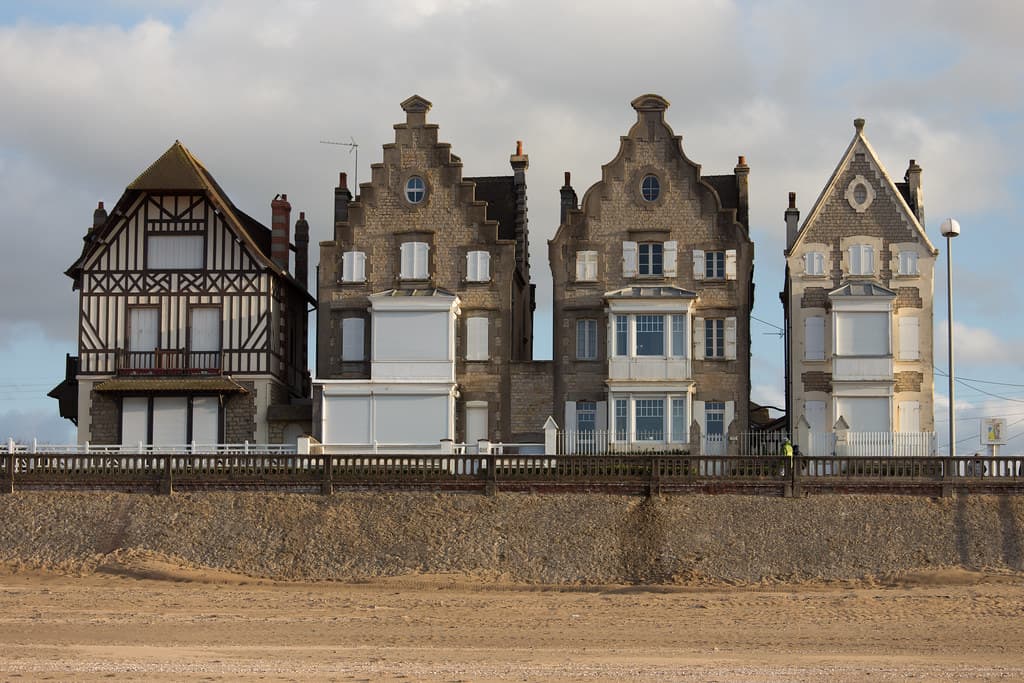
Plage de Cabourg holds literary significance as Marcel Proust's beloved retreat and inspiration for the fictional seaside resort 'Balbec' in his masterwork 'In Search of Lost Time.' Proust stayed regularly at the Grand Hôtel (now Grand Hôtel Cabourg) between 1907-1914, and his room (414) can still be visited. The elegant Belle Époque architecture and long promenade he described remain largely intact. Literary enthusiasts can follow a Proust walking trail through town. This connection makes Cabourg a pilgrimage site for literature lovers and adds cultural depth to a beach visit.