Counting the waves…
Counting the waves…
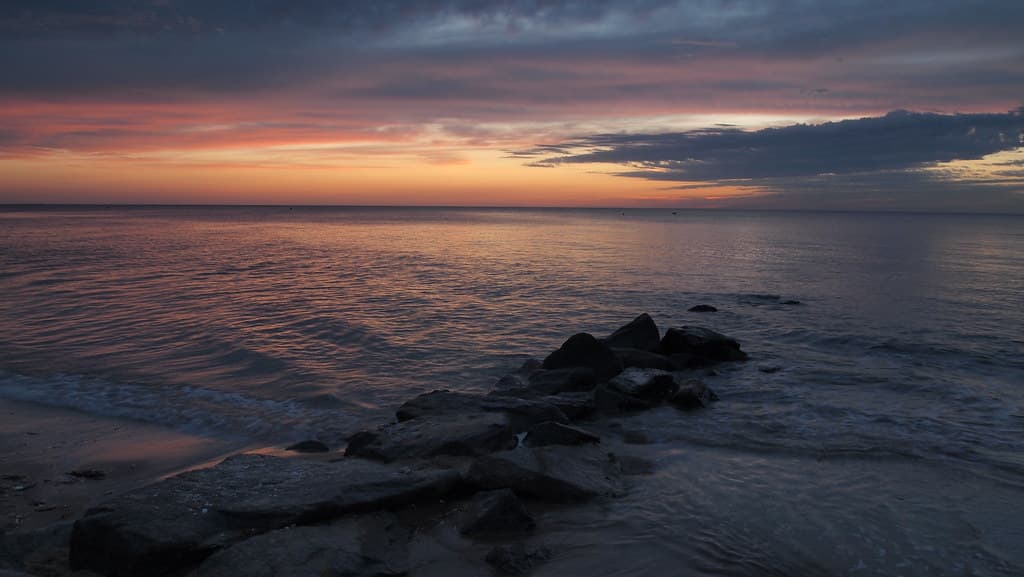
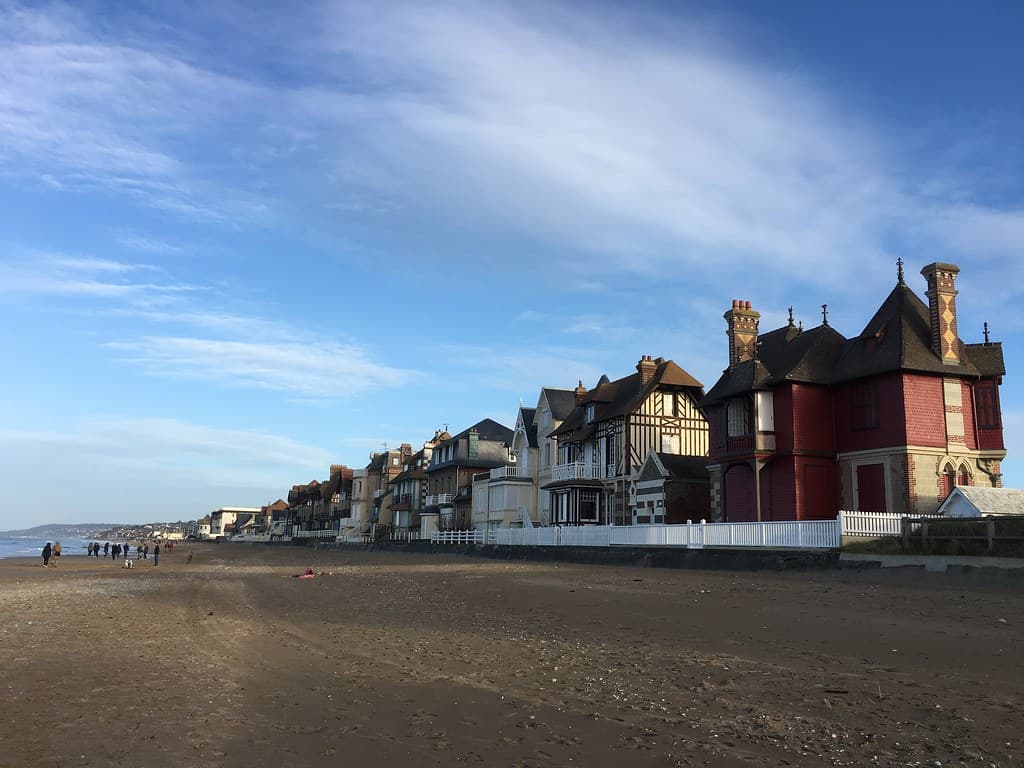
The beach stretches east from the cluster of half-timbered villas that give Houlgate its unhurried elegance. You'll walk past families setting up windbreaks—those angled canvas shelters that dot the sand like sails—and children with buckets chasing the retreating tide across ribbed flats that shine under the morning light. The water here stays shallow for dozens of meters, warm enough by July that even cautious swimmers wade in without hesitation. Above the beach, the Promenade Roland Garros runs beneath plane trees, its benches facing west toward Cabourg. You'll notice the architecture first: turreted Belle Époque houses painted cream and salmon, their ornate balconies framing views of the Channel. At sunset, the light turns the wet sand copper and silhouettes the wooden groynes that jut into the water at regular intervals, relics of a coastline shaped by tides and time. This is not a beach for solitude or drama. It's where Parisian families return each August, where grandparents teach grandchildren to fly kites in the onshore breeze, where the boulangerie near the beach access sells still-warm pain au chocolat at eight in the morning. The cafés along Rue des Bains serve moules-frites and cidre beneath awnings that flap in the wind, and the rhythm of the place—slow, reliable, gently worn—feels like something you've known before, even if you haven't.
Places, rentals, tours and events within walking and driving distance of Plage d'Houlgate.
Photos
Plage d'Houlgate is generally considered a family-friendly beach with lifeguard supervision during summer months (typically July and August). The beach features a gentle slope and sandy bottom, making it suitable for children. However, like all Normandy beaches, it experiences tidal variations and occasional currents. Always check tide times and swim only in supervised areas when lifeguards are present. Red, orange, and green flags indicate swimming conditions. Outside peak season, supervision is limited, so extra caution is necessary. The beach's sheltered position offers some protection from strong waves.
Summer (June through September) offers the warmest weather and full beach services, with July and August being peak season. However, Houlgate's Belle Époque charm makes it appealing year-round. Spring and autumn provide milder crowds and pleasant temperatures for coastal walks, though swimming may be chilly. The Normandy coast experiences moderate temperatures, rarely extreme heat. Low tide reveals extensive sandy areas ideal for beach activities. Sunset viewing is particularly beautiful during summer evenings. Winter visits offer dramatic seascapes and peaceful atmosphere, though many seasonal facilities close and weather can be unpredictable with wind and rain.
Plage d'Houlgate is located about 25 kilometers from Caen in Normandy. By car, take the A13 motorway then D513 coastal road; driving from Paris takes roughly 2.5 hours. The nearest train station is Dives-Cabourg, about 3 kilometers away, with connections from Caen and Paris. Several public parking areas are available near the beach, including Parking de la Plage along the seafront. Parking is typically paid during peak season (summer months) but may be free off-season. The beach is easily accessible on foot from the town center. Arrive early during summer weekends to secure parking.
Houlgate's seafront promenade features several restaurants, crêperies, and cafés serving fresh seafood and traditional Norman cuisine. You'll find beachside amenities including public restrooms, showers, and seasonal beach clubs during summer. The town center, a short walk from the beach, offers bakeries, shops, and markets. Accommodation options range from Belle Époque hotels to vacation rentals and nearby campsites. Beach equipment rentals (chairs, umbrellas) are available during peak season. The Casino de Houlgate provides entertainment options. Several ice cream stands and snack bars operate along the promenade, particularly during warmer months.
Houlgate is renowned for its exceptional collection of Belle Époque architecture from the late 19th and early 20th centuries. The streets behind the beach feature ornate villas with distinctive turrets, colorful facades, and elaborate woodwork representing this elegant era when Houlgate became a fashionable seaside resort. Notable examples line Avenue des Bains and surrounding streets. Many villas display unique architectural details including half-timbering, balconies, and decorative elements. While most are private residences, you can admire them during a walking tour through the town. This architectural heritage distinguishes Houlgate from other Normandy beach towns and adds cultural value to beach visits.