Counting the waves…
Counting the waves…
A refined fusion of water purity, environmental stability, and communal vibrancy for Plage de Porto.
View MethodologyAnalyzed via live sensors and environmental data.
Wave height, wind, and atmospheric stability.
Live footfall and crowd balance metrics.
Community reviews and curated sentiment.
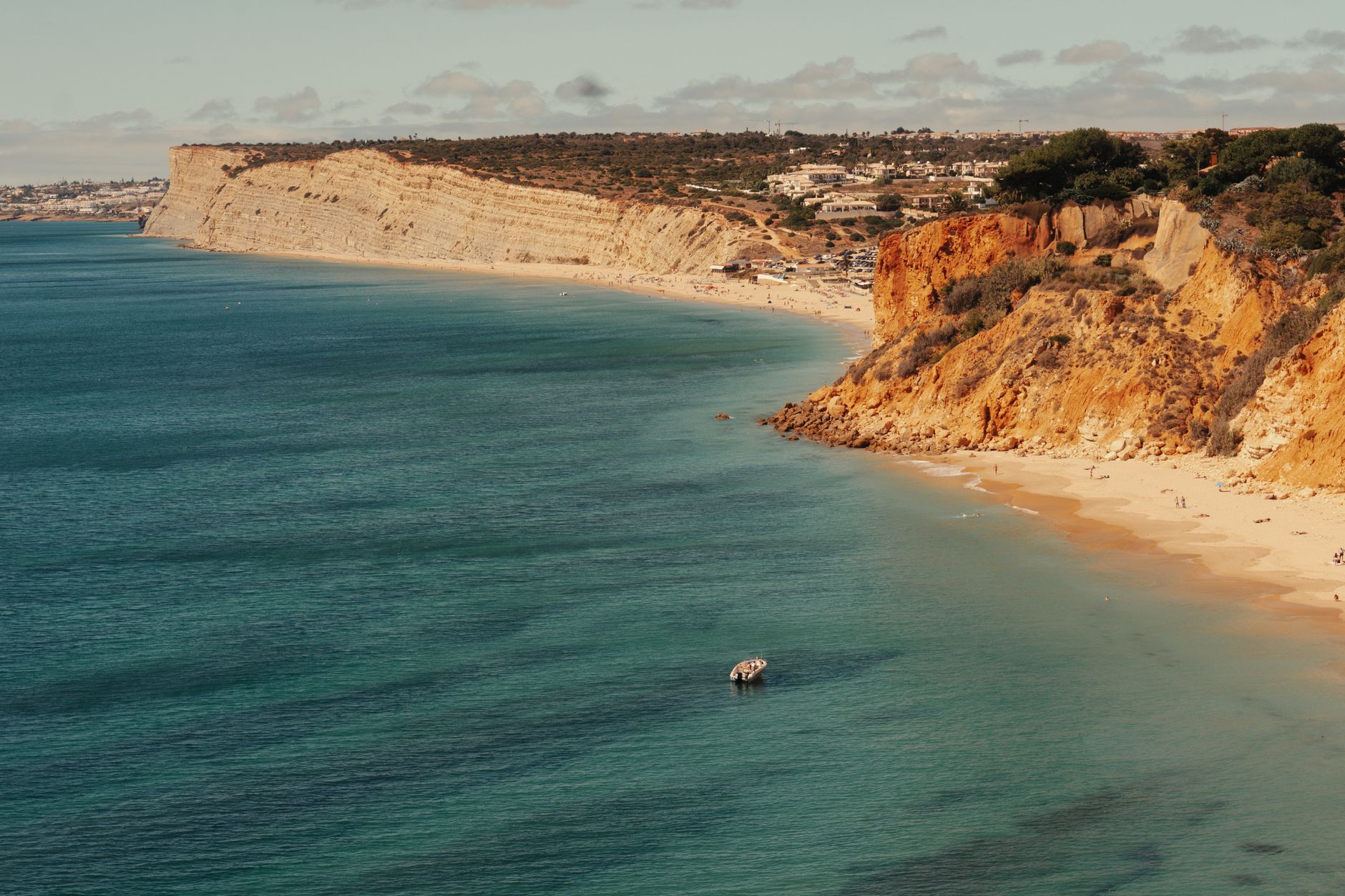
“The pebbles rattle as waves exhaust themselves after crossing the gulf. Behind you, the Genoese tower stands sentinel on its outcrop, and across the river mouth, sheer walls glow in the afternoon light.”
Higher weekend density may affect water purity and crowd scores temporarily.
Plage de Porto curves along the estuary where the Porto river empties into the gulf, its water slightly cooler and less saline where fresh and salt mix. The beach is all pebbles—fist-sized cobbles near the parking area grading to smaller stones at the water's edge. Kayak rental outfits and dive shops line the landward side, their signs competing for attention with restaurants offering grilled loup de mer and local wine. This is Corsica's accessible west coast: dramatic but developed, wild but within reach.
The backdrop delivers the geology lesson the Gulf of Porto is famous for. The Calanques de Piana's red granite buttresses rise to the south, their eroded formations catching light like stained glass at sunset. To the north, the coast climbs toward the Scandola Reserve in progressively darker layers of volcanic rock. Tour boats motor past all afternoon, returning from morning circuits around the reserve, their wakes reaching shore as gentle rollers that shift the stones with a hollow sound.
 Credit: Unsplash
a view of a beach from a hill overlooking the ocean
 Credit: Unsplash
A view of a beach and ocean from a hill
Rental outfits line the beach
Mixed fresh and salt water
Red granite at golden hour
Prime Visitation
Anytime|Best Weather
Where it is
Plage de Porto
Ota, Corse-du-Sud, France
42.267900°, 8.692800°
Weather
Loading…
Swell
—
Temp
Warm · Restorative
UV Index
Moderate
Wind
—
Tidal State
Last known
Max Sunlight
—
Ideal Shade
—
May - Sep (Peak)
Jan - Dec (Off-season)
Historical data suggests peak visibility and stable sea temperatures occur during the prime visitation window.
Near Plage de Porto
Explore dining, stays, nightlife, and activities near Plage de Porto in Ota, France. Every listing below is a real place linked to this beach — open a card for reviews, maps, and booking options.
Food, cafés, and dining close to Plage de Porto — curated from places linked to this beach.
Stays and lodging options near Plage de Porto for your beach trip.
Bars and evening spots near Plage de Porto.
Activities, tours, and attractions near Plage de Porto.
Select a category to load nearby places.
Unlock restaurants, luxury stays and curated maritime experiences within 2km
Plage de Porto is generally safe for swimming during calm weather, though the pebble surface means no sandy shallows for toddlers. The beach can experience afternoon winds and waves, so morning swims tend to be calmer. Families appreciate the central location with facilities nearby, but supervision is important as the seabed drops relatively quickly. The pebbles can be uncomfortable for bare feet, so water shoes are recommended. During peak summer, lifeguards may be present, but always check local conditions before entering the water.
Plage de Porto can be visited year-round, with each season offering different appeals. Summer (June-September) provides warmest water and full services, though crowds peak in July-August. Spring and autumn offer milder temperatures, fewer visitors, and excellent conditions for photography of the red cliffs. The beach is famous for sunset views, so late afternoon visits are particularly rewarding. Winter visits are possible for coastal walks and dramatic scenery, though swimming is only for the hardy. Morning visits in summer avoid both crowds and strong afternoon winds.
Plage de Porto sits in the center of Porto village, making it extremely accessible. From Ajaccio, drive north on the D81 (approximately 90 minutes through mountain roads). From Calvi, take the coastal route south (about 90 minutes). The beach is directly accessible from the main road with parking available in Porto village, though spaces fill quickly in summer. Many visitors stay in Porto itself and walk to the beach. Public buses connect Porto to major towns during summer months. The beach is just steps from restaurants and shops.
Porto village offers numerous dining and lodging options within walking distance of the beach. Restaurants range from casual beachside cafés to traditional Corsican establishments serving local seafood and regional specialties. Accommodation includes hotels, vacation rentals, and campsites to suit various budgets. Many hotels offer sea views overlooking the Gulf of Porto. Small markets provide supplies for picnics. During peak season, booking accommodation well in advance is essential. Several establishments offer terraces with sunset views over the beach and the famous red cliffs that frame the coastline.
The dramatic red granite cliffs (Calanques de Porto) surrounding Plage de Porto create one of Corsica's most photographed landscapes and are part of a UNESCO World Heritage site. These russet-colored rock formations glow intensely at sunset, creating spectacular photo opportunities. The geological formations are ancient volcanic rock weathered over millennia. The contrast between the red cliffs, blue water, and pebble beach is distinctive to this Gulf of Porto location. Boat tours departing from Porto's marina allow closer views of these cliffs and access to the nearby Scandola Nature Reserve.
Photos