Counting the waves…
Counting the waves…
A refined fusion of water purity, environmental stability, and communal vibrancy for Plage d'Arone.
View MethodologyAnalyzed via live sensors and environmental data.
Wave height, wind, and atmospheric stability.
Live footfall and crowd balance metrics.
Community reviews and curated sentiment.
“The approach tells you this beach earned its reputation: eleven hairpin bends drop you through maquis that releases resinous perfume in the heat, then the cove reveals itself—a quarter-mile arc of pale sand pressed…”
Limited recent visitor reports — live OBI telemetry is your best guide for current conditions.
You feel the temperature shift as you descend the final switchback, the air turning saline and several degrees cooler. The beach unfolds in sections: a northern stretch where the Fango river sometimes breaks through in spring, a central expanse that catches full sun until late afternoon, and a southern rockfall where snorkelers investigate crevices. The sand itself is coarse enough to brush off easily, flecked with shell fragments that catch the light.
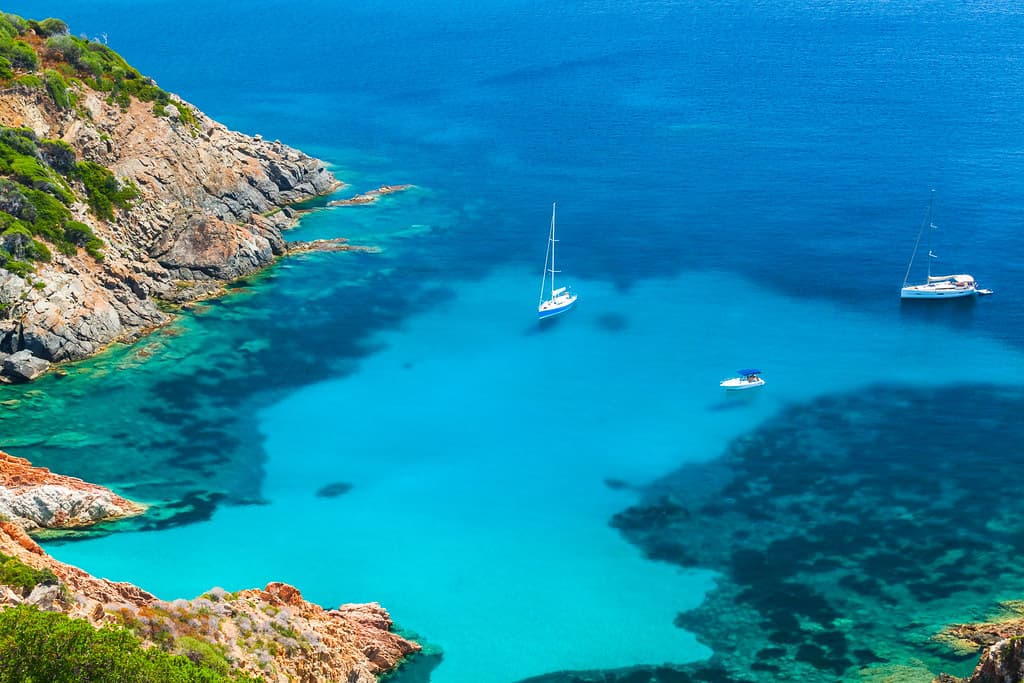
The water earns every travel-magazine comparison. Wade out and the bottom remains visible at chest depth, each ripple in the sand bed distinct, schools of juvenile sar weaving between your legs. By midday the contrast between the burnt-sienna cliffs and the water's concentrated turquoise becomes almost hallucinatory. Families colonize the center, where the slope is kindest; couples migrate toward the rock barriers at either end where the water deepens quickly and the crowds thin.
 Credit: Unsplash
a view of a beach from a hill overlooking the ocean
 Credit: Unsplash
A view of a beach and ocean from a hill
Fifty-foot clarity in July
Rental hut at north
Red granite meets turquoise
Prime Visitation
Best Weather
Where it is
Plage d'Arone
Piana, Corse-du-Sud, France
42.231000°, 8.600100°
Weather
Loading…
Swell
—
Temp
Warm · Restorative
UV Index
Moderate
Wind
—
Tidal State
Last known
Max Sunlight
—
Ideal Shade
—
May - Sep (Peak)
Jan - Dec (Off-season)
Historical data suggests peak visibility and stable sea temperatures occur during the prime visitation window.
Select a category to load nearby places.
Unlock restaurants, luxury stays and curated maritime experiences within 2km
Plage d'Arone is generally excellent for families with its sandy bottom and gradual entry into turquoise waters. The beach offers relatively calm conditions, especially in the mornings before afternoon winds pick up. During summer, the beach attracts many families due to its safe swimming conditions and sandy shore. However, supervision is always necessary as currents can develop, and lifeguard presence varies by season. The sandy seabed and clear water make it easy to see where children are wading. Water shoes aren't essential here, unlike many Corsican pebble beaches.
The optimal period for Plage d'Arone is May through September when weather is warmest and the turquoise water is most inviting for swimming. July and August see peak crowds and warmest water temperatures, but also higher prices and limited parking. June and September offer excellent conditions with fewer visitors. The beach faces west, making it less ideal for morning sun seekers but perfect for afternoon and evening beach time. Arrive early in peak season to secure parking, as the access road is narrow and spaces are limited at the beach.
Plage d'Arone lies approximately 12 kilometers from Piana village, accessed via a winding, narrow mountain road (D824) that descends from the famous Calanques de Piana. The drive takes about 20 minutes and offers spectacular views but requires careful driving with numerous hairpin turns. Parking at the beach is limited and fills quickly in summer; arrive before 10am in peak season. The road is paved but challenging for larger vehicles. No public transport serves the beach directly, so a car or organized tour is necessary. The descent rewards drivers with stunning coastal scenery.
Plage d'Arone has limited on-site facilities compared to more developed beaches. A seasonal beach restaurant operates during summer months, offering drinks, snacks, and casual meals with beachfront seating. For more dining variety and accommodation, visitors typically stay in Piana village (12km away) or Porto. The beach itself has no hotels, preserving its natural character. Many visitors bring picnics, though basic supplies can be purchased from the beach bar in summer. Sunbed and umbrella rentals are usually available during peak season. The nearest supermarkets and full-service restaurants are in Piana.
Plage d'Arone stands out as one of western Corsica's finest sandy beaches, a rarity on this predominantly rocky coastline. Its location below the UNESCO-listed Calanques de Piana adds dramatic scenery to the beach experience. The water displays remarkable turquoise clarity, ideal for snorkeling and swimming. Unlike many west coast beaches, Arone offers genuine sand rather than pebbles, making it particularly comfortable for sunbathing. The relatively sheltered position in its cove provides calmer waters than some exposed western beaches, while the surrounding maquis-covered hills create a fragrant, quintessentially Corsican setting.
Photos