Counting the waves…
Counting the waves…
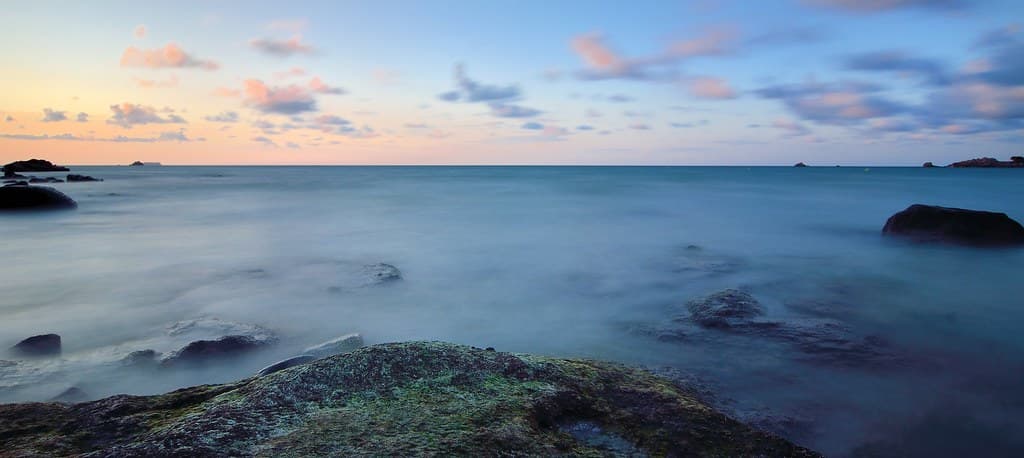
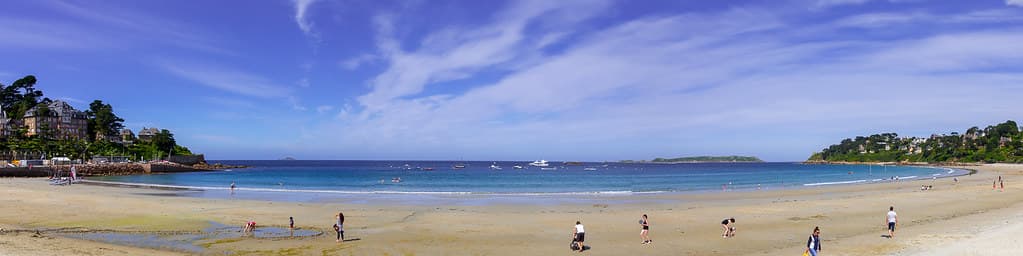
Port l'Épine doesn't announce itself. You'll miss the turnoff in Trélévern if you're not watching for the narrow lane that drops between hedgerows thick with gorse and blackthorn. The beach materializes suddenly: a pocket cove framed by dark schist outcrops, its sand the color of raw linen, its water so clear you can see hermit crabs repositioning themselves six feet down. This is the Trégor coast stripped of the postcard granite—no rose-hued sentinels, just honest Breton shoreline doing what it does best. Come at low tide and the beach doubles in size, exposing ribbed sand flats and a network of shallow channels where local kids net shrimp with hand sieves. The water here lacks the churn of the open bays to the west; some trick of the headlands keeps it unusually calm, unusually translucent. You'll see couples wading out to their waists, heads bent over the surface, studying the underwater geography. By late afternoon, the sun angles in from the west, turning the shallows to liquid amber and backlighting every ripple. The handful of fishermen's cottages above the beach now rent to families who return year after year, drawn by the cove's refusal to join the tourism circuit. There's no beachfront crêperie, no rental kiosk—just a weathered slipway, a few wooden dinghies, and the kind of quiet that makes you hear your own breathing. Stay through sunset, when the sky bruises purple over the Île Grande lighthouse, and you'll understand why locals guard this place so carefully.
Places, rentals, tours and events within walking and driving distance of Plage de Port l'Épine.
Photos
Plage de Port l'Épine is a sheltered cove that generally offers calm swimming conditions, making it safer than more exposed beaches along the Brittany coast. However, there are no lifeguards on duty, so swim at your own risk. Always check tide times before visiting, as the beach is affected by tidal changes typical of the region. The rocky areas can be slippery, so wear appropriate footwear. Avoid swimming during high winds or rough seas, and supervise children closely near the water.
While accessible year-round, the best time to visit is from May to September when weather is warmest and most reliable. Summer months (July-August) offer the best swimming conditions with water temperatures around 17-19°C. For fewer crowds and stunning light, visit during spring or early autumn. The beach is particularly renowned for sunset views, so late afternoon visits are ideal. Low tide reveals more beach area and interesting rock pools, so consult local tide tables to plan your visit accordingly.
Plage de Port l'Épine is located in Trélévern, accessible by car via the D65 road. From Lannion, it's approximately 15 minutes drive. There is limited free parking near the beach access point, with space for roughly 15-20 cars. During peak summer season, parking fills quickly, so arrive early morning or later afternoon. The beach requires a short walk down a coastal path from the parking area. Public transport options are limited; having a car is recommended for visiting this hidden cove.
Plage de Port l'Épine is a natural, undeveloped beach with no on-site amenities, restaurants, or facilities. There are no toilets, showers, or beach vendors, so bring everything you need including food, water, and sun protection. The nearest shops and restaurants are in Trélévern village, about 2 kilometers away, or in the larger town of Lannion. For accommodation, consider staying in nearby coastal towns like Trélévern, Perros-Guirec, or Trégastel, which offer hotels, vacation rentals, and camping options within a short drive.
Plage de Port l'Épine stands out for its remarkable water clarity and intimate, hidden character within the scenic Trégor coastal region. Unlike busier beaches nearby, this secluded cove remains largely undiscovered, offering peaceful visits even in summer. The combination of clear turquoise waters, dramatic granite rock formations typical of this coastline, and spectacular sunset views creates an exceptionally romantic and photogenic setting. Its sheltered position provides a quieter alternative to the Pink Granite Coast's more famous beaches while retaining all the natural beauty.