Counting the waves…
Counting the waves…

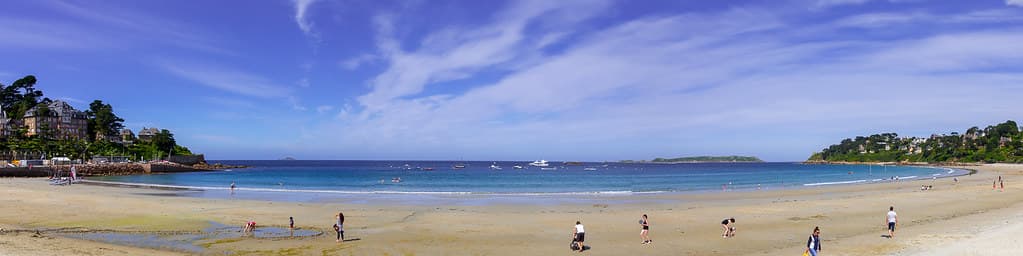
The beach unfurls in a generous arc between granite headlands that glow apricot and mauve at sunrise, their surfaces freckled with lichen older than the village behind you. Families stake claims near the wooden cabanas painted in nautical stripes, while surfers paddle out beyond the sandbar where Atlantic swells fatten into rideable walls. The sand is coarse underfoot—blonde with flecks of crushed shell—and slopes gently enough that toddlers can chase retreating foam while their parents scan tide pools for velvet crabs and blennies. As afternoon light slants across the bay, the granite outcrops cast long shadows and the sea shifts from pewter to jade. Dog walkers trace the firm sand at the waterline; kite-flyers negotiate the steady westerlies that comb through marram grass on the dunes. A beach bar serves galettes and cider from a weather-beaten shack, its terrace crowded with locals in salt-stiffened wetsuits and tourists balancing paper cones of frites. Stay through dusk and you'll understand why Trestel anchors this stretch of coast. The sun sinks behind the Pointe de Bihit, painting the boulders in shades of rose quartz and casting the bay in a honeyed glow that makes every silhouette—a lone paddleboarder, a pair of gulls—look like a postcard you'd never actually send because the moment feels too private to share.
Places, rentals, tours and events within walking and driving distance of Plage de Trestel.
Photos
Plage de Trestel is generally considered family-friendly with lifeguard supervision during summer months (typically July-August). The beach features a gently sloping sandy shore suitable for children, though conditions vary with tides. Atlantic waves can create decent surf, so swimmers should respect flag warnings and stay within designated zones. Rocks are present at low tide, offering tidal pools for exploration but requiring supervision for young children. The beach's western exposure can produce stronger currents during certain conditions, so always check local conditions before entering the water.
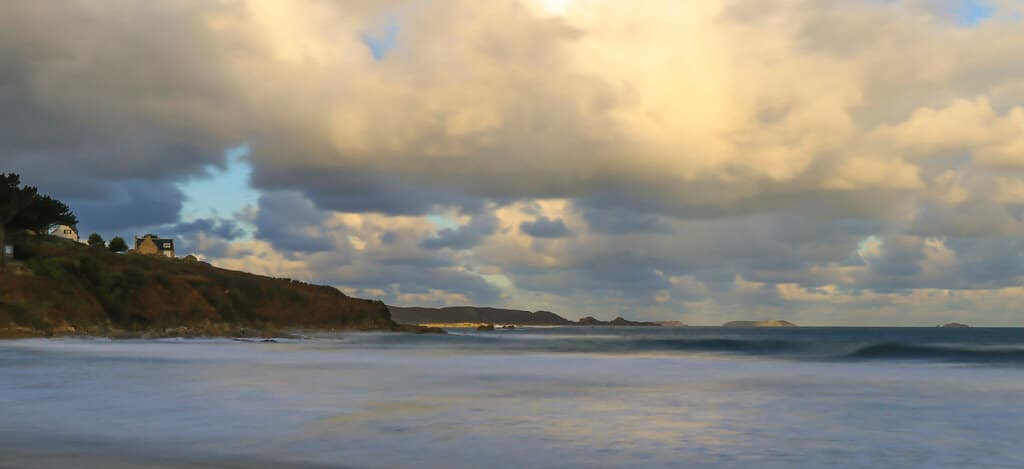
Plage de Trestel offers year-round appeal, though summer (June-September) provides warmest weather and full amenities. July-August brings peak crowds but also lifeguards and vibrant atmosphere. Spring and autumn offer milder temperatures, fewer visitors, and excellent conditions for coastal walks and sunset viewing. Winter attracts surfers seeking Atlantic swells and photographers drawn to dramatic seascapes. The beach's western orientation makes it particularly stunning for sunset photography throughout the year. For comfortable swimming, visit June through September when water temperatures are warmest.
Plage de Trestel is located in Trévou-Tréguignec, approximately 10km northwest of Lannion in Côtes-d'Armor. By car, follow D65 from Lannion or D38 from Tréguier, with clear signage to the beach. Several parking areas are available near the beach, including a main car park that can fill quickly during summer peak season (arrive early July-August). Public transport options are limited; driving or cycling are most practical. The nearest train station is Lannion, roughly 15 minutes by car. Parking is typically free outside peak summer hours.
Plage de Trestel has beachfront dining options including crêperies and seafood restaurants with terrace views, particularly busy during summer season. The immediate area offers holiday rentals, gîtes, and campsites within walking distance of the beach. For more extensive dining and lodging choices, nearby Trévou-Tréguignec village and Lannion (10km) provide hotels, restaurants, and shops. Summer beachside vendors sell ice cream and light snacks. Basic amenities like toilets and showers are available at the beach during peak season. Several bakeries in the village are perfect for picnic supplies.
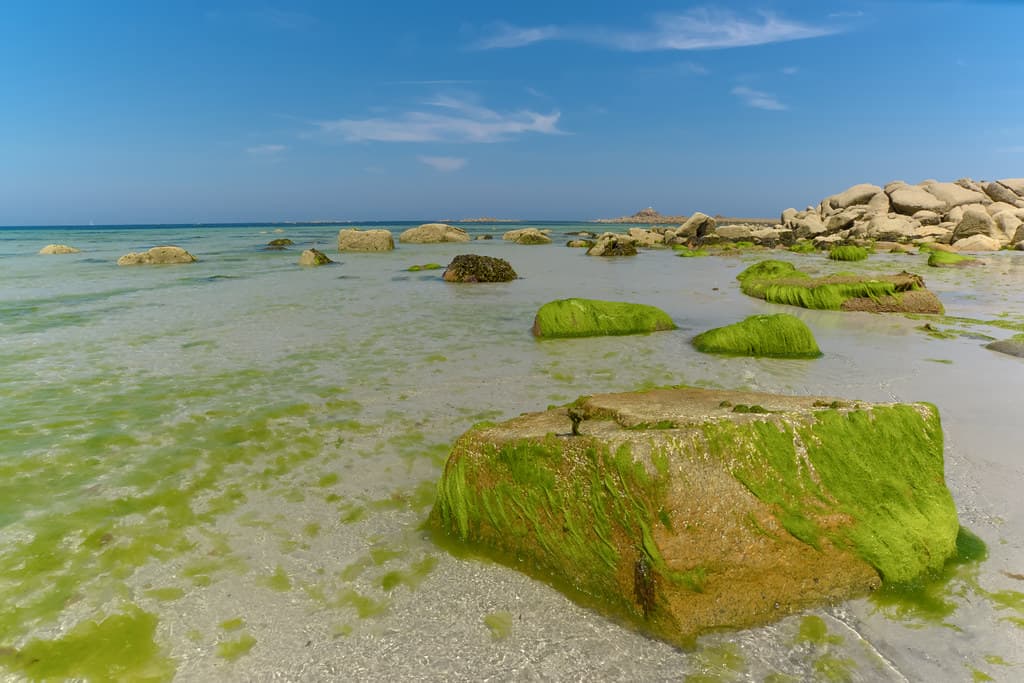
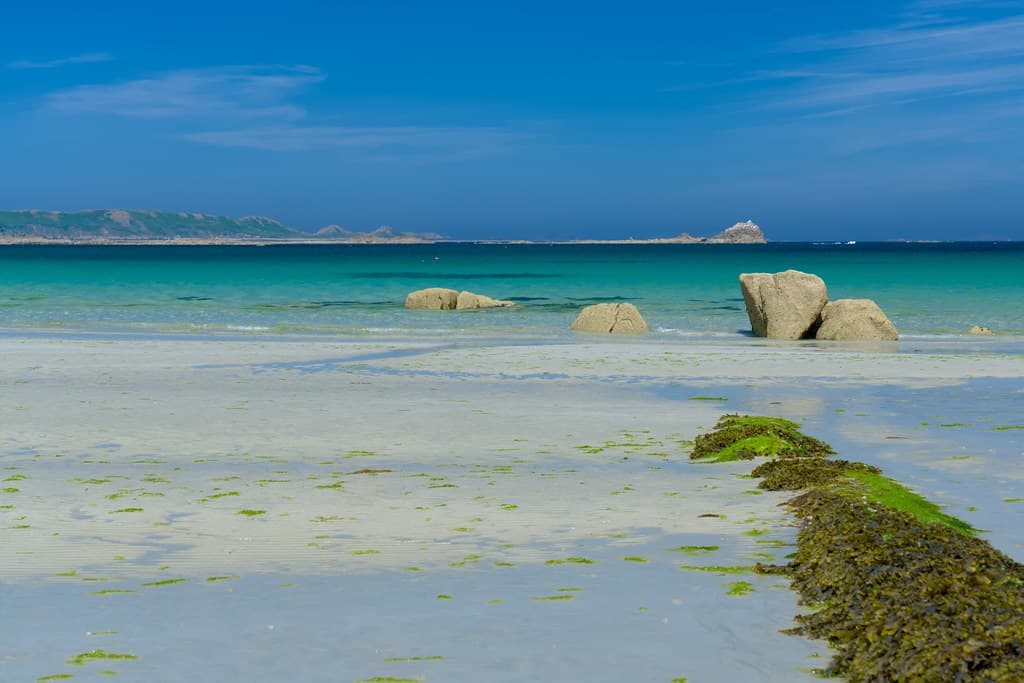
Plage de Trestel sits along Brittany's famous Pink Granite Coast (Côte de Granit Rose), featuring distinctive rose-hued granite formations shaped by erosion over millions of years. While not as concentrated as nearby Ploumanac'h, Trestel displays characteristic pink-tinged rocks visible at low tide, creating dramatic contrast against golden sand and blue waters. These geological features are best explored during low tide when tidal pools appear. The rocks provide excellent photography opportunities, especially during golden hour when pink tones intensify. This unique geology distinguishes the Trégor coastline internationally.