Counting the waves…
Counting the waves…
A refined fusion of water purity, environmental stability, and communal vibrancy for Plage de Pors Théolen.
View MethodologyAnalyzed via live sensors and environmental data.
Wave height, wind, and atmospheric stability.
Live footfall and crowd balance metrics.
Community reviews and curated sentiment.
“You descend a footpath through gorse and heather, and suddenly the cove opens below: pale sand tucked between dark schist outcrops, water so transparent you count pebbles six feet down. The wind carries salt and the…”
Limited recent visitor reports — live OBI telemetry is your best guide for current conditions.
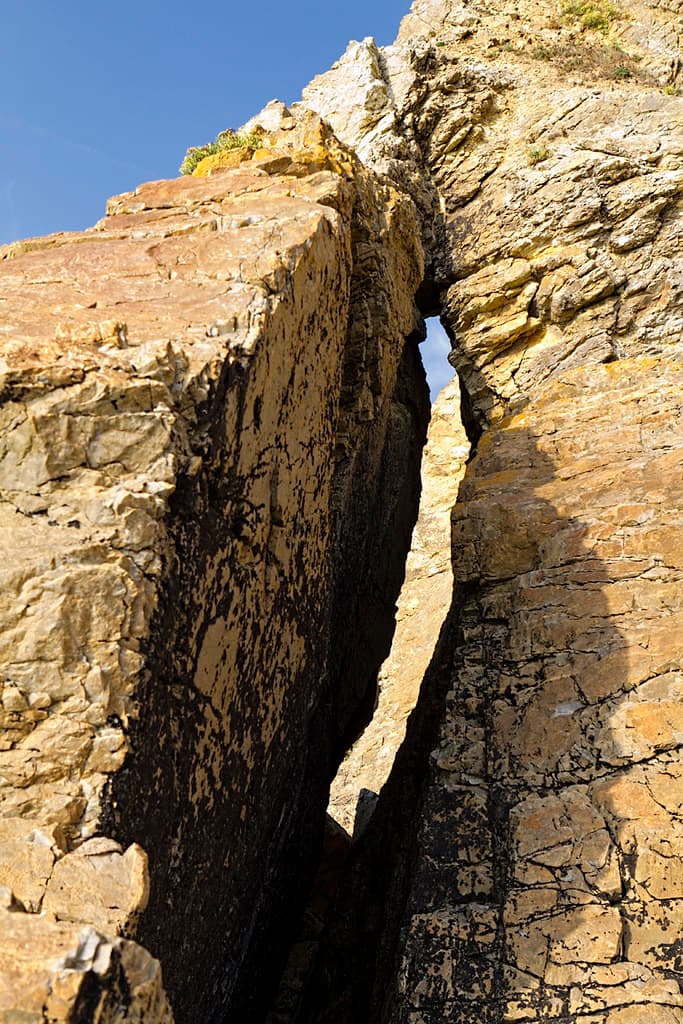
The coastal path from the hamlet of Pors Théolen drops you onto a crescent of fine sand barely a hundred meters wide, hemmed by rust-streaked granite and low cliffs quilted in wildflowers. At mid-tide the bay fills with water the pale green of Muscadet, clear enough to watch spider crabs shuffle across ribbed sand. Rockpools trapped in the schist ledges warm in the afternoon sun, and children crouch to net shrimp while gulls wheel overhead.
This is Cap Sizun at its most unguarded—no beach clubs, no umbrellas, just a handful of locals who time their visits to the tide tables. Seaweed dries in black ribbons along the high-water line, and the stone shelf running south toward Pointe du Van offers tidal fishing for wrasse and pollack. When the wind drops, the only sounds are waves folding onto sand and the clatter of halyards from a lone sailboat anchored offshore.
 Credit: Unsplash
A group of people standing on top of a sandy beach
 Credit: Unsplash
Beachgoers enjoy a beautiful, peaceful day
Wade warm shallows at midday
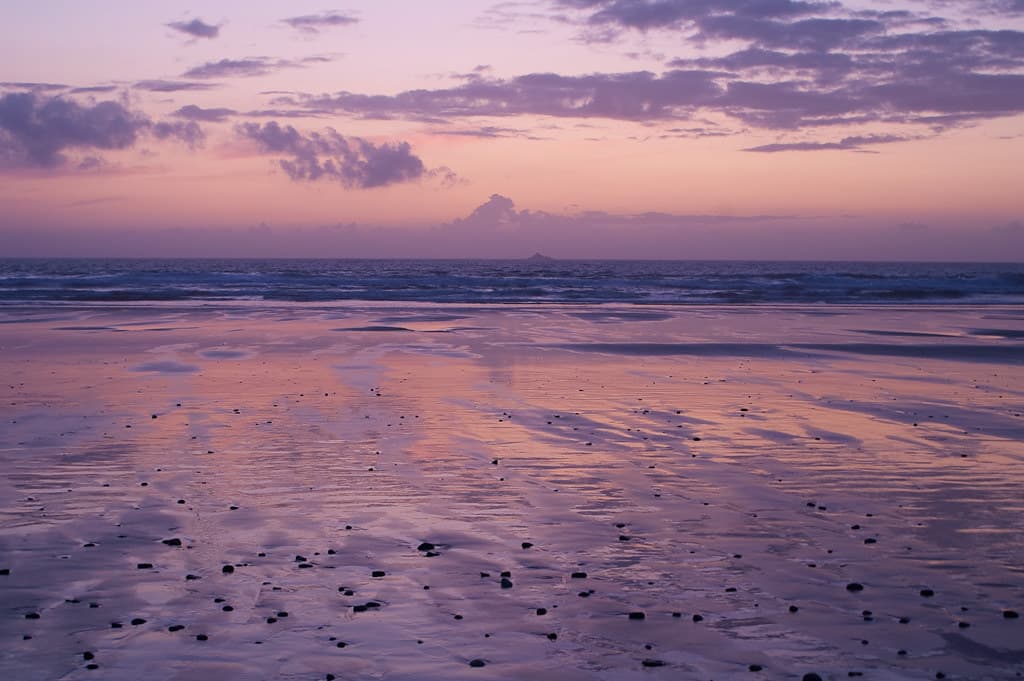
Golden hour lights the schist
Walk south to Pointe Van
Where it is
Plage de Pors Théolen
Beuzec-Cap-Sizun, Finistère, France
48.083900°, -4.643300°
Weather
Loading…
Swell
—
Temp
Warm · Restorative
UV Index
Moderate
Wind
—
Tidal State
Last known
Max Sunlight
—
Ideal Shade
—
May - Sep (Peak)
Jan - Dec (Off-season)
Historical data suggests peak visibility and stable sea temperatures occur during the prime visitation window.
Near Plage de Pors Théolen
Explore dining, stays, nightlife, and activities near Plage de Pors Théolen in Beuzec-Cap-Sizun, France. Every listing below is a real place linked to this beach — open a card for reviews, maps, and booking options.
Stays and lodging options near Plage de Pors Théolen for your beach trip.
Select a category to load nearby places.
Unlock restaurants, luxury stays and curated maritime experiences within 2km
Plage de Pors Théolen is a small, sheltered cove that generally offers calmer conditions than exposed Atlantic beaches, making it suitable for swimming during settled weather. However, this beach has no lifeguard supervision, so swimmers should exercise caution. Check tide times before visiting, as the beach changes significantly between high and low tide. Atlantic currents can be unpredictable, so it's best for confident swimmers. Avoid swimming during rough seas or strong winds, which are common on the Cap Sizun peninsula. Always supervise children closely near the water.
Plage de Pors Théolen can be visited year-round, with each season offering different appeal. Summer (June-August) provides the warmest weather for swimming and sunbathing, though it remains relatively quiet compared to mainstream beaches. Spring and autumn offer pleasant temperatures for coastal walks with fewer visitors. The beach is particularly renowned for spectacular sunsets, best viewed during longer summer evenings. Winter visits appeal to those seeking dramatic seascapes and solitude. Weather in Finistère can be unpredictable, so check forecasts and expect wind regardless of season.
Plage de Pors Théolen is located near Beuzec-Cap-Sizun in western Finistère, accessible by car via small coastal roads. From the village, follow signs toward the coast on narrow lanes typical of rural Brittany. There is limited parking available near the beach access point—expect space for only a handful of vehicles. During peak season, arrive early to secure parking. The final approach involves a short walk down to the beach. Public transport to this remote area is very limited, so a car is essentially necessary for visiting this hidden gem.
Plage de Pors Théolen is a remote beach with no facilities directly on-site—no restaurants, shops, toilets, or showers. Visitors should bring all supplies, including food, water, and sun protection. The nearby village of Beuzec-Cap-Sizun, a few kilometers away, has basic shops and some dining options. For more extensive services, restaurants, and accommodations, head to Audierne (approximately 10km away) or Douarnenez. Several gîtes and chambres d'hôtes operate in the Cap Sizun area for overnight stays. Plan ahead and pack everything needed for a beach day.
Plage de Pors Théolen stands out for its remarkable water clarity and unspoiled character, remaining genuinely undiscovered compared to Brittany's popular beaches. Its location on the quieter Cap Sizun peninsula means far fewer tourists venture here. The beach offers an authentic, wild coastal experience with dramatic rock formations and exceptional sunset views over the Atlantic. Unlike developed resort beaches, this cove retains its natural state with no commercialization. The crystal-clear waters are particularly notable for this stretch of coastline, making it a special find for those exploring Finistère's hidden coastal treasures.
Photos