Counting the waves…
Counting the waves…

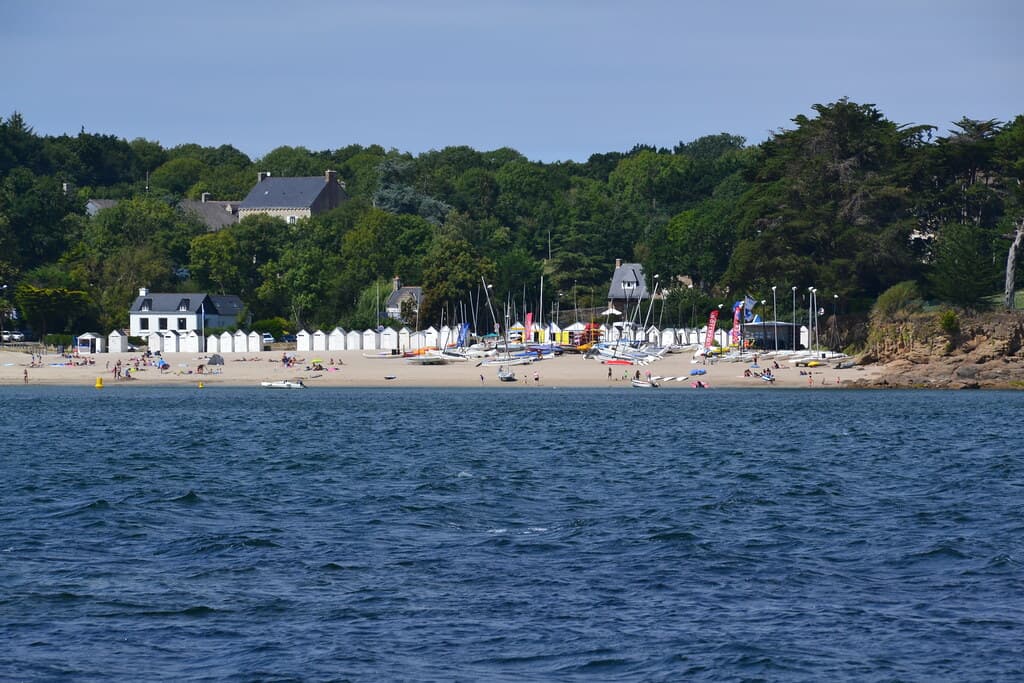
Plage de Bellangenêt sits tucked into the rugged coastline near Le Pouldu, where Brittany's granite bones break through the land in dark folds and promontories. You'll find it down a quiet road in Clohars-Carnoët, a commune that still smells more of tidal pools than sunscreen. The beach itself is modest—a crescent of coarse sand hemmed by boulders smoothed by centuries of swell. At low tide, rock pools appear like cupped hands holding starfish and crabs; at high tide, the Atlantic crashes against the shelf with the kind of white noise that makes you forget your phone exists. Families claim the sheltered eastern end early, spreading blankets on sand still cool from the previous night. The western rocks draw the curious—kids with nets, photographers chasing the slant of afternoon light through sea spray. Gorse blooms yellow against the cliffs in spring, and by September the heather turns the headlands purple. There's no beach club, no jetty cluttered with parasails. Just the rhythmic scrape of waves rearranging pebbles and the occasional bark of a dog chasing foam. Sunset here is a copper-and-slate affair, best watched from the low dunes with a baguette and a wedge of Breton butter. The light catches every ripple, every scar in the rock face, until the whole cove glows like hammered metal. When the tide recedes, you can walk the strand all the way to the next headland, your footprints the only mark on wet sand.
Places, rentals, tours and events within walking and driving distance of Plage de Bellangenêt.
Photos
Plage de Bellangenêt is generally a safe, family-friendly beach with calm waters, especially at low tide when rock pools form for children to explore. The beach is sheltered and less exposed than nearby Atlantic-facing beaches, making it suitable for swimming in moderate conditions. However, there are no lifeguards on duty, so supervision is essential. Check tide times before visiting, as high tide significantly reduces beach space. The sandy shore and shallow waters make it ideal for young families, but always observe local weather conditions and wave patterns before entering the water.
Plage de Bellangenêt can be visited year-round, though July and August offer warmest swimming temperatures (16-18°C). Spring and early autumn provide pleasant weather with fewer crowds, ideal for peaceful walks and sunset watching. The beach faces west, making it exceptional for evening light from May through September, with sunsets around 9-10 PM in summer. Winter visits appeal to storm-watchers and solitude-seekers, though swimming is only for the hardy. Low tide reveals the most beach area and interesting rock formations. Weekdays outside French school holidays guarantee a quieter, more local experience.
Plage de Bellangenêt is located in Clohars-Carnoët, near the small resort of Le Pouldu in southern Finistère. By car, follow signs to Le Pouldu, then look for local signage to Bellangenêt. There is a small free parking area directly above the beach, accessible via a narrow coastal road. Parking is limited to around 20-30 spaces and fills quickly in summer. Alternatively, park in Le Pouldu village (10-15 minutes' walk) and follow the coastal path. No direct public transport serves the beach; the nearest bus stops are in Le Pouldu or Clohars-Carnoët centre.
Plage de Bellangenêt itself has no commercial facilities—no beach bars, toilets, or shops—preserving its unspoiled character. The nearby village of Le Pouldu (roughly 1km away) offers several crêperies, seafood restaurants, small grocery shops, and cafés, particularly along the main beach road. Accommodation options in Le Pouldu include hotels, vacation rentals, and campsites. For more extensive services and dining, Clohars-Carnoët town centre is about 4km inland. Bring your own food, water, and beach essentials, as you won't find vendors or facilities directly at Bellangenêt.
Unlike the larger, more developed Grands Sables beach in Le Pouldu, Plage de Bellangenêt remains a hidden gem favoured by locals. Its smaller size, lack of commercial development, and tucked-away location create a peaceful, authentic atmosphere. The beach is framed by coastal vegetation and rocky outcrops rather than seafront buildings, offering a wilder, more natural setting. At low tide, fascinating rock pools and geological formations emerge, perfect for exploration. The westward orientation provides spectacular, unobstructed sunset views over the Atlantic. Its relative obscurity means even in high summer, it rarely feels overcrowded compared to neighbouring beaches.