Counting the waves…
Counting the waves…

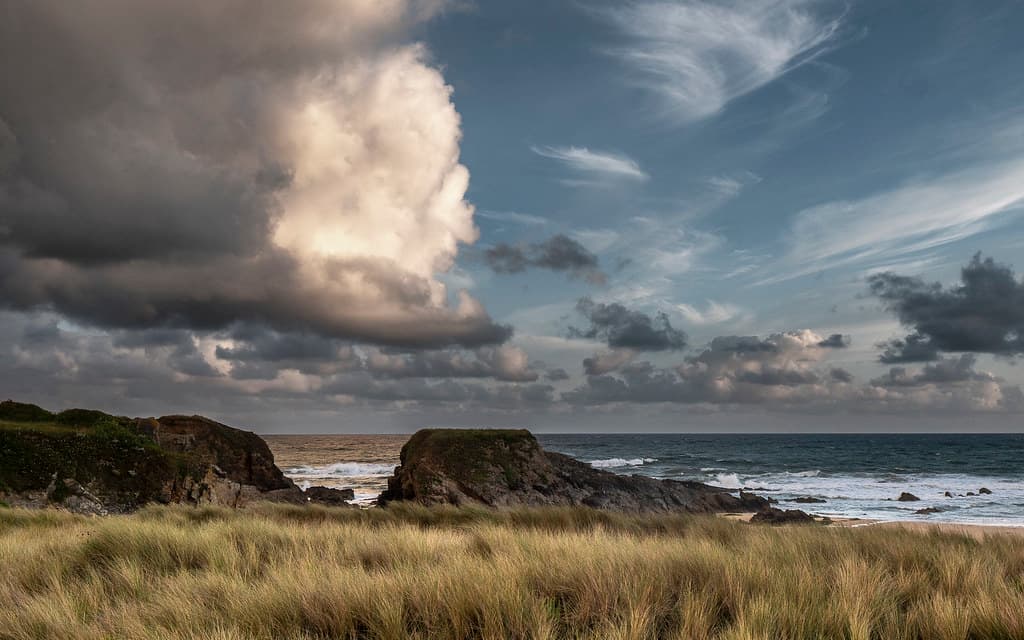
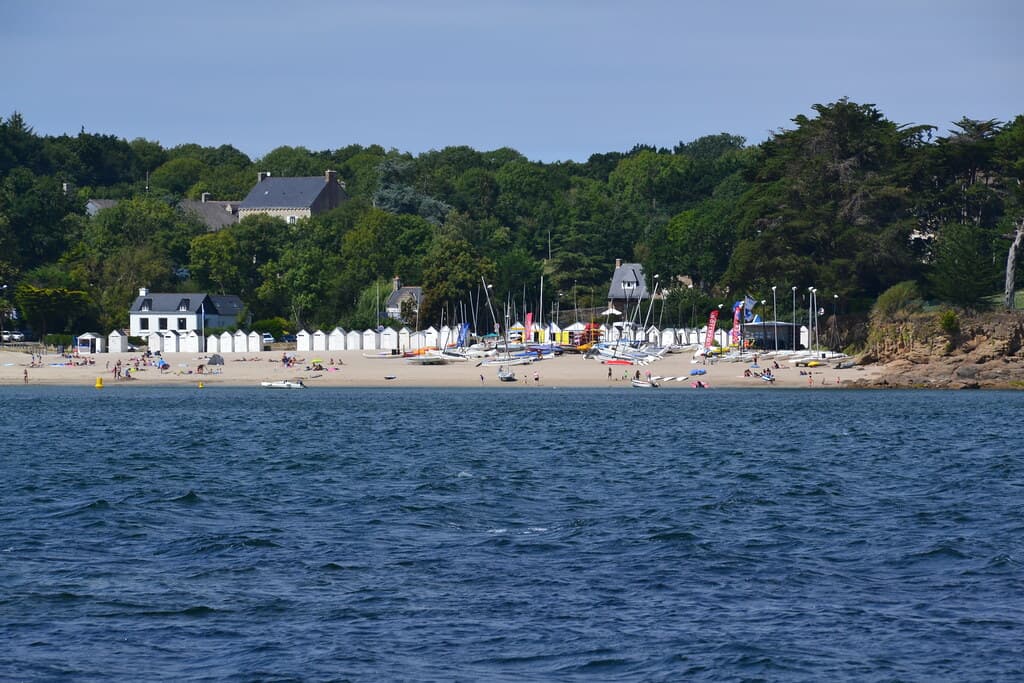
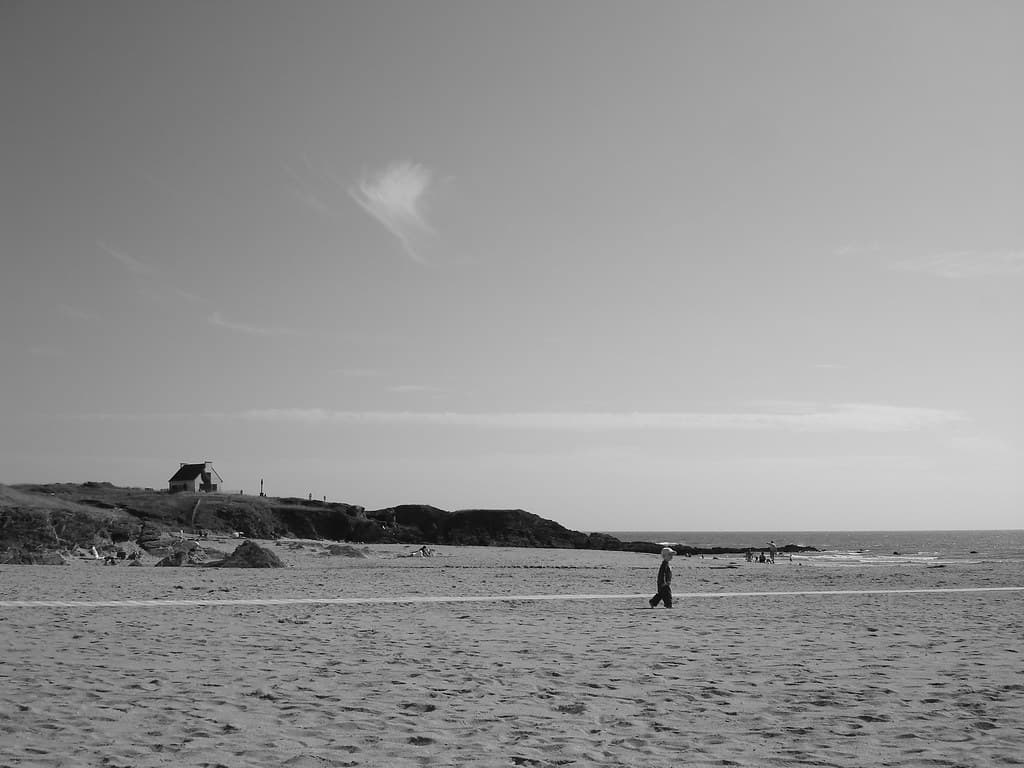
The ocean exhales against Kérou's shore in long, deliberate sets. You watch from the dune line as a wetsuited figure drops into a shoulder-high right-hander, carving across jade-green water that turns white at the lip. Behind you, the path from the car park winds through gorse and blackthorn, and the scent of wild thyme rises in the afternoon warmth. This is South Cornouaille at its most elemental—granite boulders blackened by centuries of tide, sand the color of wheat, and a horizon that stretches unbroken toward the Atlantic. Kérou earns its reputation as a dual-purpose strand. The western half sees consistent swell wrapping around Pointe du Kérou, creating waves that range from mellow rollers on summer mornings to barreling autumn tubes. The eastern stretch, sheltered by the headland's bulk, becomes a kingdom of sandcastles and beach towels when the sun breaks through Brittany's cloud cover. Low tide reveals tide pools where periwinkles cling to rock and blennies dart between fronds of bladderwrack. You linger as the light softens, the sun sinking toward Île de Groix somewhere beyond the headland. The lifeguard station casts a long shadow. Gulls wheel and cry. A group of surfers paddles in, salt-stiffened hair catching the golden hour glow, and you realize why this beach holds its place in the regional consciousness—it offers neither solitude nor undiscovered charm, but rather the honest pleasure of good waves meeting good sand in a landscape that has earned every superlative without needing to announce them.
Places, rentals, tours and events within walking and driving distance of Plage du Kérou.
Photos
Plage du Kérou offers different conditions depending on the tide and swell. The beach is popular with families during calmer periods, particularly at low tide when natural pools form. However, it's also a known surf spot, so waves can be strong during high tide or Atlantic swells. Lifeguards typically patrol during summer months (July-August). Always check local surf reports and tide times before swimming. The beach has designated swimming and surfing zones during peak season, making it safer for families when supervised areas are clearly marked.
Plage du Kérou can be enjoyed year-round, though each season offers different experiences. Summer (June-September) provides warmest weather and lifeguard supervision, ideal for families. Spring and autumn attract surfers seeking consistent Atlantic swells with fewer crowds. Winter offers dramatic scenery and powerful waves for experienced surfers only. For sunsets, late spring through summer provides the longest daylight hours. Weather in Finistère can be changeable, so bring layers regardless of season. Mid-week visits outside July-August ensure quieter beach experiences.
Plage du Kérou is located about 3km south of Clohars-Carnoët center. By car, follow D24 toward Doëlan, then signs to Le Kérou. A parking area is available near the beach access, though spaces fill quickly during summer and weekends. Parking is generally free but limited in capacity. The beach requires a short walk down from the car park. Public transportation options are limited in this rural coastal area, so having a car is recommended. Cycling is popular, with scenic coastal roads connecting nearby beaches.
Plage du Kérou itself is a natural beach without permanent facilities or restaurants directly on-site. The nearby village of Doëlan (about 2km) offers seafood restaurants, crêperies, and cafés with harbour views. Clohars-Carnoët town center has supermarkets and additional dining options. Accommodation ranges from vacation rentals and gîtes in the area to campsites within a few kilometers. For more extensive lodging and restaurant choices, the larger town of Quimperlé is approximately 15km away. Bringing a picnic is common for beachgoers visiting Plage du Kérou.
Plage du Kérou faces southwest along Brittany's Atlantic coast, providing spectacular sunset views over the ocean. The beach's rugged rocky outcrops and natural coves create dramatic silhouettes as the sun descends. The western orientation means the sun sets directly over the water during summer months, painting the sky in vivid colours. The beach's relatively undeveloped surroundings enhance the natural beauty without artificial light pollution. Low tide reveals interesting rock formations that add texture to sunset photographs. The combination of surf, rocks, and expansive ocean horizon makes it particularly photogenic.