Counting the waves…
Counting the waves…
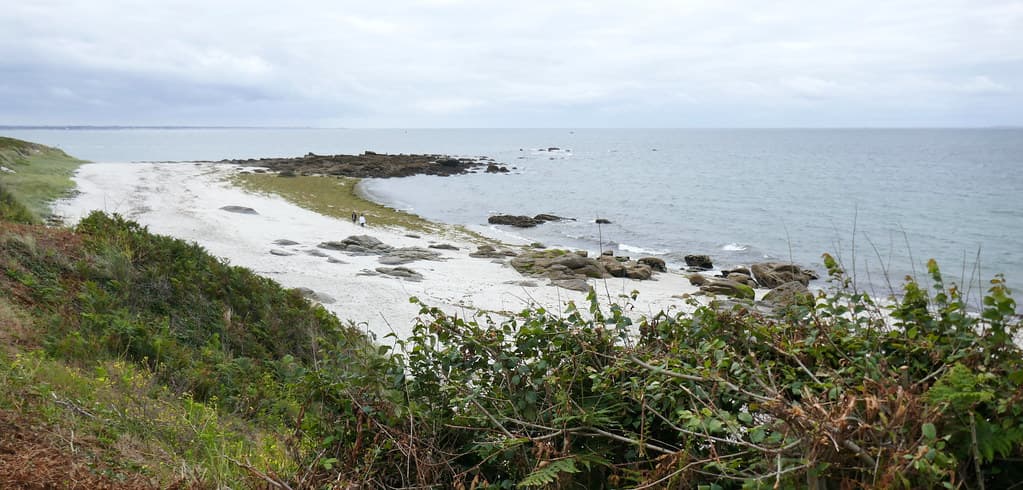
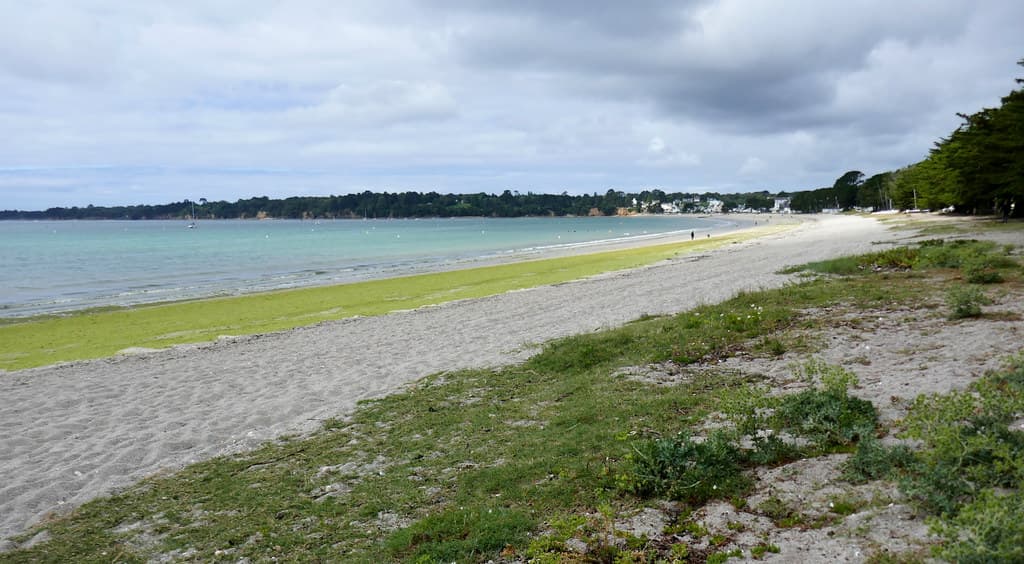
The locals call it simply Kernous—no need for ceremony when a beach has served the same handful of neighborhoods since before the sardine canneries closed. You reach it down a sloped lane past granite-and-stucco cottages, their shutters painted that particular Breton blue that fades beautifully under salt air. The strand itself runs barely three hundred meters, hemmed by dark rock outcrops slick with bladderwrack, and the sand is coarser than the tourist strands to the south—flecked with shell fragments and the occasional crab carapace. What keeps you here isn't size or amenities but the rhythm. Mornings bring dog walkers and the occasional open-water swimmer braving fifty-eight-degree swells. By afternoon, toddlers in striped maillots dig moats while their parents unfold canvas chairs and crack bottles of cidre bouché. The beach empties fast after four, except on clear evenings when couples arrive with baguette sandwiches to watch the sun drop behind the Glénan archipelago, staining the wet sand copper and rose. There's a single seasonal kiosk selling kouign-amann and espresso, a small parking lot that fills on Sundays, and no pretense whatsoever. Kernous doesn't try to compete with the resort beaches. It simply exists, reliable as the twice-daily tide, a place where Concarneau exhales.
Places, rentals, tours and events within walking and driving distance of Plage de Kernous.
Photos
Plage de Kernous is generally considered a family-friendly beach with calmer waters than many Atlantic-facing beaches in Brittany, thanks to its more sheltered position. The beach features gentle slopes suitable for children, though conditions vary with tides. During summer months, lifeguards typically patrol popular hours. Always check tide times before visiting, as the beach character changes significantly between high and low tide. Water temperatures remain cool year-round (typical for Brittany), ranging from 12°C in winter to 18°C in summer.
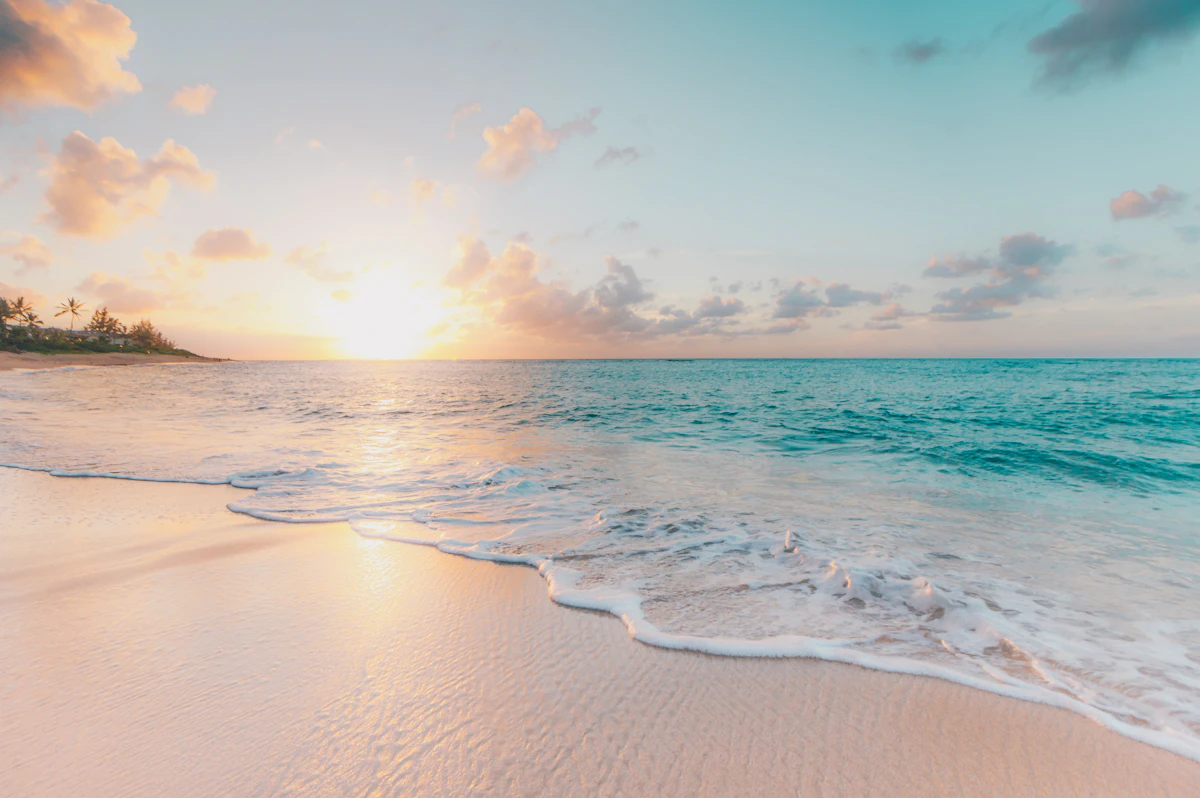
Plage de Kernous can be enjoyed year-round, with each season offering distinct experiences. Summer (June-August) provides warmest weather and longest days, ideal for swimming and sunbathing, though it's busier. Spring and autumn offer mild temperatures, fewer crowds, and excellent conditions for coastal walks. The beach faces west, making it particularly stunning for sunset viewing. Winter visits appeal to those seeking dramatic seascapes and solitude. For the most pleasant balance of weather and tranquility, consider late May, June, or September.
Plage de Kernous is located southwest of central Concarneau, easily accessible by car or bike. From Concarneau's historic Ville Close, it's approximately 2-3 kilometers. Free parking is typically available near the beach access points, though spaces can fill during peak summer days and weekends. The beach is also reachable on foot via coastal walking paths from the town center (30-40 minute walk). Local buses may service nearby areas seasonally. Cycling is popular, with relatively flat terrain from town.
Plage de Kernous maintains a quieter, more residential character compared to Concarneau's main beaches, so immediate beachfront amenities are limited. You'll find greater dining and shopping options by heading into central Concarneau (2-3km away), where numerous restaurants serve fresh seafood, crêperies offer Breton specialties, and shops provide beach supplies. Some seasonal food vendors may operate nearby during summer. For accommodations, Concarneau offers hotels, vacation rentals, and campgrounds within easy reach. Pack supplies if planning extended beach time.
While Concarneau attracts many visitors to its historic walled city and main beaches, Plage de Kernous remains relatively undiscovered by mass tourism. Its location slightly removed from the town center means fewer crowds, even in peak season. The beach offers a more authentic, local atmosphere where French families gather rather than tourist groups. Its scenic setting, combined with excellent sunset views and the feeling of discovering somewhere off the beaten path, gives it a special character that's increasingly rare in popular Brittany coastal towns.