Counting the waves…
Counting the waves…

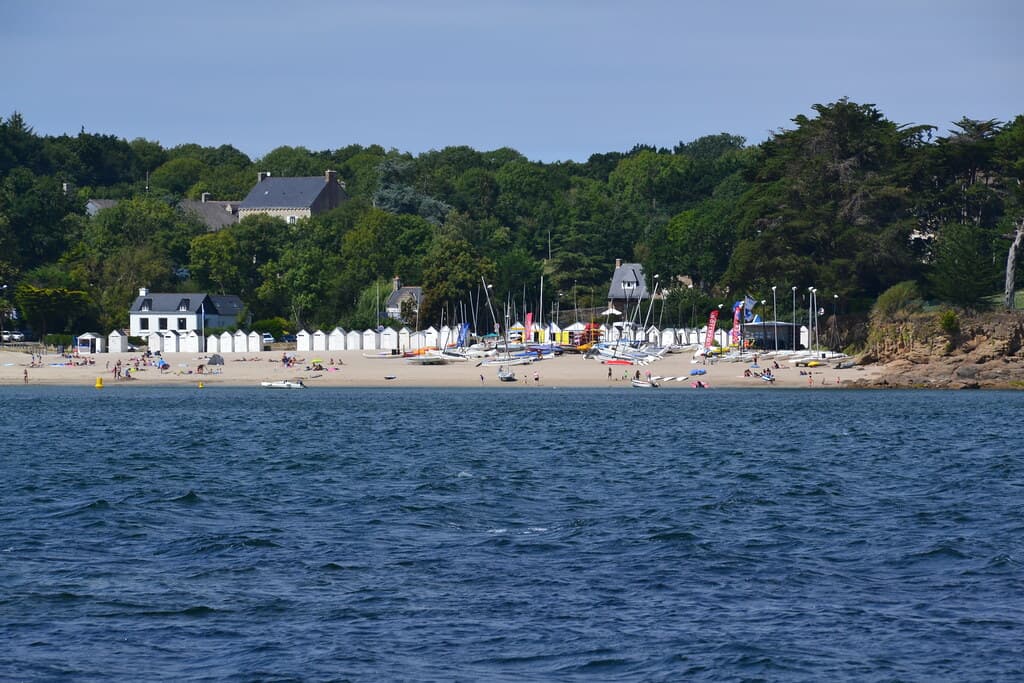
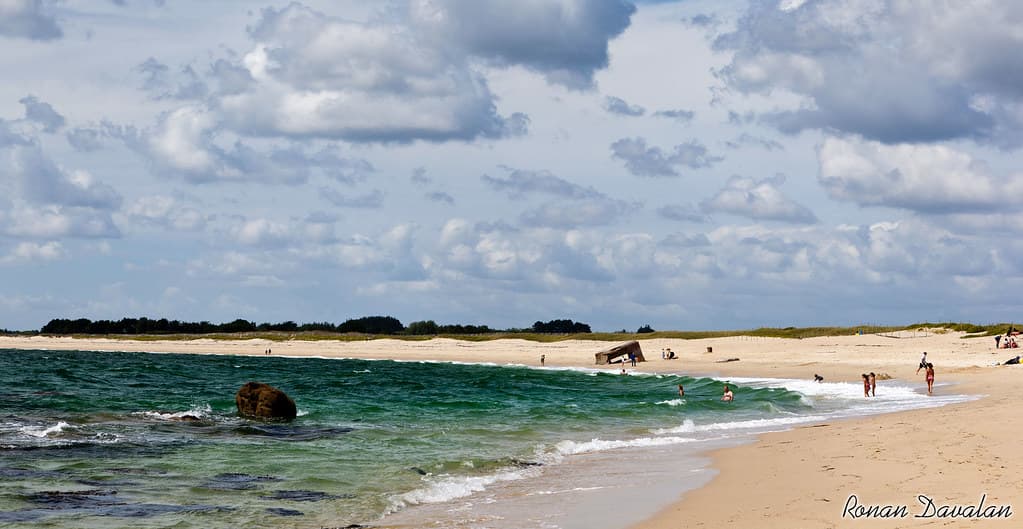
Plage de Tahiti earns its exotic name honestly. Tucked into a sheltered inlet where the Aven estuary meets the Atlantic, the beach unfolds as a surprise of pale quartz sand—finer and lighter than the typical Breton strand—bordered by wind-sculpted pines and house-sized granite blocks worn smooth by millennia of storms. The water here holds an improbable clarity, its color shifting through a spectrum of greens and blues depending on the angle of the sun and the state of the tide. Children wade safely in the shallows while their parents claim spots on the soft sand, backs against sun-warmed rock. The beach faces southeast, which means two things: shelter from Brittany's prevailing westerlies and exceptional light in the afternoon. Low tide reveals tidal pools trapped between granite outcrops, each one a miniature aquarium of darting shrimp and emerald anemones. At high water, the cove transforms into a natural swimming pool, the sea calm enough that you can float on your back and watch gulls wheel overhead against the blue. Port-Manec'h village sits a ten-minute walk through the pines, its stone cottages and single café embodying the understated charm of the Breton coast. You won't find beach clubs or parasol rentals here—just sand, stone, and the particular quality of light that painters have traveled to Finistère to capture for generations. Arrive before eleven or after five, and you may have the entire crescent to yourself.
Places, rentals, tours and events within walking and driving distance of Plage de Tahiti.
Photos
Plage de Tahiti is generally family-friendly with relatively calm waters, though conditions vary with tides and weather. The beach has gentle slopes suitable for children, but there are no lifeguards on duty, so supervision is essential. During high tide, the beach becomes narrower and waves can be stronger. Check tide times before visiting, as low tide reveals rock pools perfect for children to explore. The white sand is clean and the area is well-maintained, making it popular with families seeking a quieter alternative to more crowded Brittany beaches.
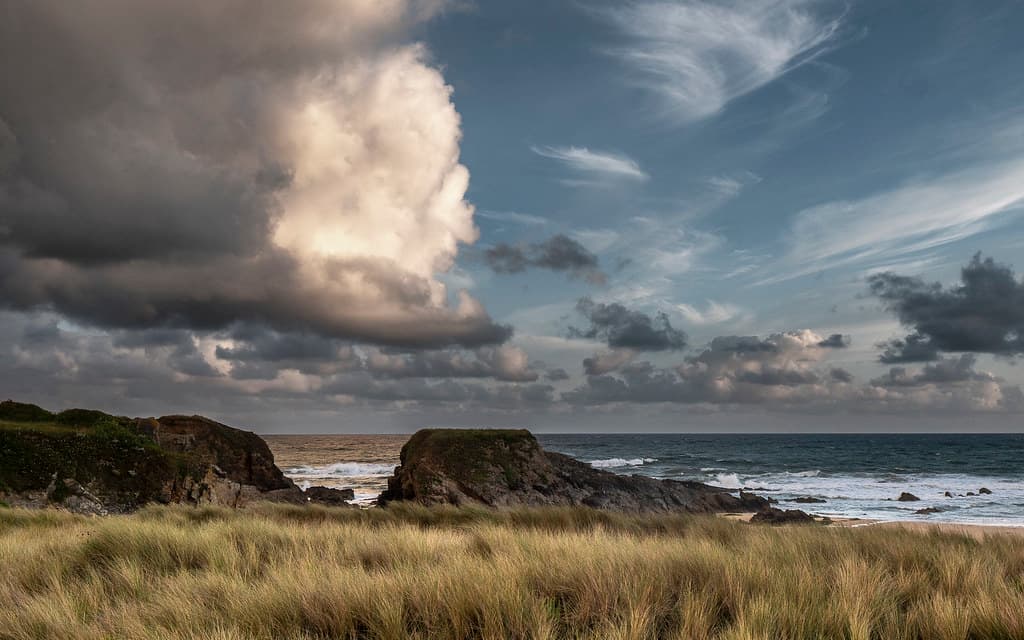
Plage de Tahiti is accessible year-round, with each season offering different appeals. Summer (June-September) provides warmest swimming conditions and longest days, though it attracts more visitors. Spring and autumn offer mild weather, fewer crowds, and beautiful coastal walks. The beach is particularly stunning at sunset throughout the year, with dramatic light over the Atlantic. Low season visits provide peaceful atmosphere but bring warmer clothing. Check tide schedules regardless of season, as the beach's appearance and size change dramatically between high and low tide.
Plage de Tahiti is located near the hamlet of Port-Manec'h in Névez, southeastern Finistère. By car from Pont-Aven (approximately 8km), follow signs toward Port-Manec'h, then look for local beach signage. A small parking area is available near the beach access, but spaces are limited, especially in summer. Arriving early in the day or outside peak season increases parking availability. The beach is accessed via a short path from the parking area. Public transport options to this area are limited, making a car the most practical choice.
Plage de Tahiti itself has minimal on-site amenities, so come prepared with food, drinks, and beach supplies. The nearby Port-Manec'h area offers a few seasonal restaurants and cafés, typically open during warmer months. For more extensive dining and shopping options, the artistic town of Pont-Aven is approximately 8km away, featuring restaurants, crêperies, galleries, and supermarkets. Accommodation options include vacation rentals and small hotels in Névez and Port-Manec'h, with broader choices in Pont-Aven and the larger town of Concarneau. Advance booking is recommended for summer visits.
The name 'Plage de Tahiti' evokes the exotic, though its origin isn't definitively documented—possibly reflecting the beach's notably white sand and scenic beauty unusual for Brittany's typically rockier coastline. What makes this beach distinctive is its fine, pale sand contrasting with the rugged Breton landscape, surrounded by coastal vegetation and offering picturesque views. The beach maintains a quieter, more intimate atmosphere compared to larger nearby beaches, attracting visitors seeking tranquility. Its photogenic setting, particularly at sunset, and the interesting rock formations visible at low tide contribute to its visual appeal.