Counting the waves…
Counting the waves…

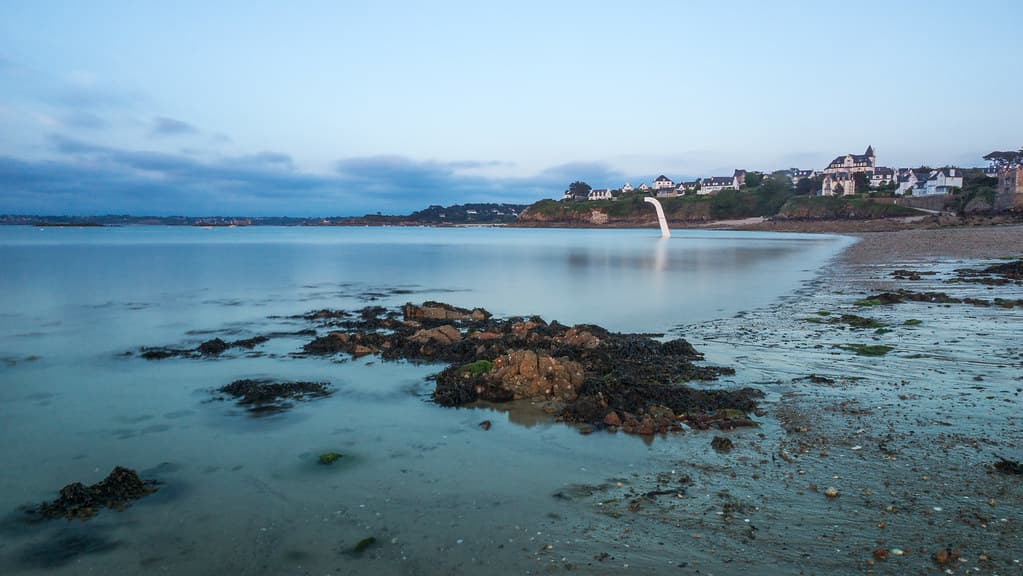
The wind off the Atlantic carries salt and the faint diesel scent of fishing boats from Guilvinec as you cross the dune boardwalk. Below, Plage de la Torche stretches in a long crescent of blonde sand, its western flank always dotted with wetsuited figures paddling through the shore break. This is Brittany's surf capital, where consistent swells from the open ocean meet a sandy bottom that shapes waves clean enough to host national championships, yet forgiving enough for first-timers clutching foam rental boards. Beyond the break, the beach belongs to everyone else. Families claim hollows in the dunes for picnics of kouign-amann and salted butter, shielded from the perpetual breeze. The Pointe itself—a low granite finger tipped with a stone chapel ruin—divides the main beach from smaller coves where tide pools collect periwinkles and bladderwrack. At low water, you can walk the exposed reefs, stepping over kelp ribbons while gulls wheel overhead. Come for sunset and you'll understand why locals drive here mid-week just to watch the light. The sun drops behind the Île de Sein, backlighting the waves in amber, turning the white water gold. Surfers paddle in reluctantly. The sky cycles through peach, rose, indigo. Then the lighthouse at Eckmühl blinks on to the north, and you realize you've been standing barefoot in cold sand for twenty minutes, unwilling to leave.
Places, rentals, tours and events within walking and driving distance of Plage de la Torche.
Photos
Plage de la Torche is renowned for surfing but can be challenging for swimmers due to strong Atlantic currents, powerful waves, and rip tides. The beach is supervised by lifeguards during summer months (typically July-August), and swimming is only recommended within designated areas when lifeguards are present. The beach displays flag warning systems: green for safe conditions, orange for caution, and red for dangerous conditions when swimming is prohibited. Even experienced swimmers should exercise caution and always respect the flags and lifeguard instructions.
Plage de la Torche offers year-round appeal for different activities. Surfers favor autumn and winter (September-March) for consistent swells and powerful waves, though conditions are cold and windy. Summer (June-September) brings warmer weather, calmer seas, and lifeguard supervision, ideal for families and casual beachgoers. Spring offers fewer crowds and decent surf conditions. The beach is famous for spectacular sunsets throughout the year. Weather in Brittany is changeable, so expect wind and occasional rain regardless of season. Wetsuit recommended for water activities even in summer.
Plage de la Torche is located near Penmarc'h in southern Finistère, approximately 30km northwest of Quimper. By car, follow D785 then D156 toward Plomeur and follow signs to La Torche. Large free parking lots are available near the beach, though they fill quickly during summer weekends and good surf conditions. The nearest train station is Quimper, about 40 minutes away by car. No direct public transport serves the beach, making a car essential. The access road leads directly to beach parking with easy walking distance to the sand.
Plage de la Torche has several amenities near the parking areas. You'll find surf shops offering rentals and lessons, a crêperie, and seasonal snack bars during summer months. Public restrooms and outdoor showers are available. The nearby village of Plomeur (5km) offers supermarkets, bakeries, and restaurants for provisions. Several surf camps and holiday rentals operate in the area. For dining, the coastal towns of Guilvinec and Penmarc'h provide restaurants specializing in fresh seafood. Camping facilities are available within a few kilometers of the beach for budget-conscious travelers.
Plage de la Torche is Brittany's most famous surf spot, attracting surfers from across Europe for its consistent, powerful Atlantic swells and variety of breaks suitable for different skill levels. The beach faces west, capturing Atlantic storm systems that generate excellent waves, particularly autumn through spring. The sandy beach break offers both left and right-hand waves, with conditions favoring intermediate to advanced surfers. The spot has hosted numerous surfing competitions and is considered essential in French surf culture. Strong currents and powerful waves mean beginners should take lessons from local surf schools familiar with the conditions.