Counting the waves…
Counting the waves…
A refined fusion of water purity, environmental stability, and communal vibrancy for Anse Salabouelle.
View MethodologyAnalyzed via live sensors and environmental data.
Wave height, wind, and atmospheric stability.
Live footfall and crowd balance metrics.
Community reviews and curated sentiment.
“You'll feel the ocean's power before you see it—salt spray carries inland on the trade winds that sculpt the coastline into dramatic arcs. The reef breaks here draw surfers who know the Atlantic's moods.”
Limited recent visitor reports — live OBI telemetry is your best guide for current conditions.
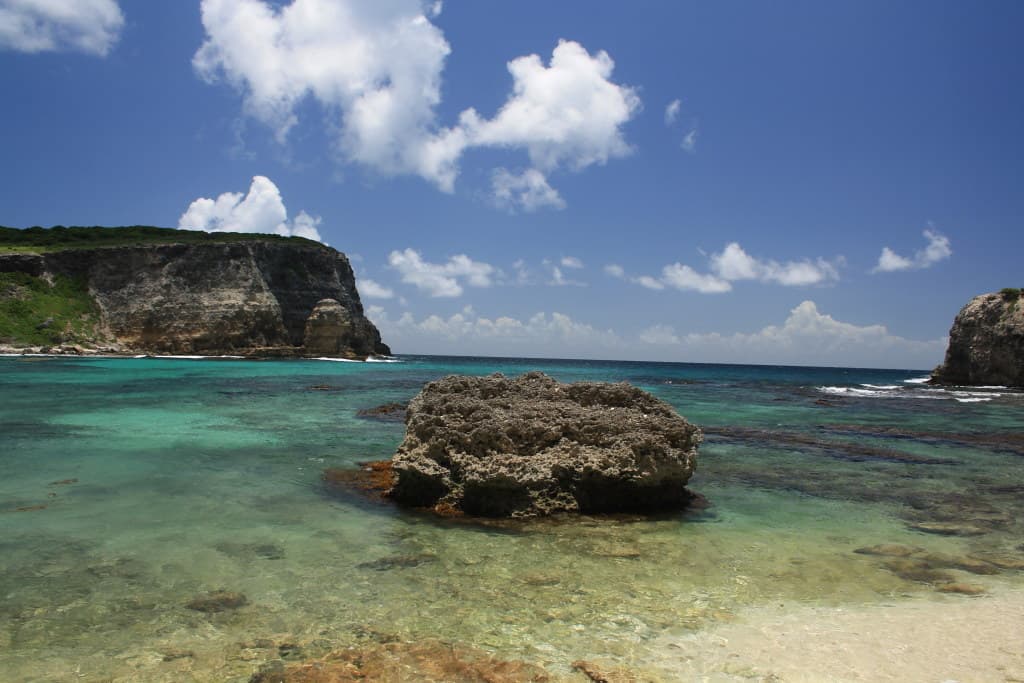
The road east from Le Moule narrows as it approaches Anse Salabouelle, where the protected Caribbean waters of Grande-Terre's southern coast give way to the untamed Atlantic. Sea grape leaves rattle overhead as you walk toward the shore, their thick branches bent permanently landward by decades of wind. The beach reveals itself in stages: first the white noise of breaking waves, then the line where turquoise water meets foam, finally the sand itself—coarse and scattered with fragments of coral and shell.
This is a surfer's beach, and you'll share the lineup with a tight-knit group who've been reading these swells since childhood. The reef offshore shapes the waves into long, workable rights when conditions align, but the ocean here demands respect. Between sets, you can watch frigate birds hover motionless in the updrafts along the headland.
 Credit: Unsplash
ocean under cloudy sky during daytime
 Credit: Unsplash
ocean under cloudy sky
Reef breaks for experienced surfers
Raw coastal energy, shade limited
Atlantic meets volcanic reef formations
Prime Visitation
Best Weather|Less Crowds
Where it is
Anse Salabouelle
Le Moule, Guadeloupe, France
16.325600°, -61.312600°
Weather
Loading…
Swell
—
Temp
Warm · Restorative
UV Index
Moderate
Wind
—
Tidal State
Last known
Max Sunlight
—
Ideal Shade
—
Jan - Dec (Peak)
May - Nov (Off-season)
Best Weather|Less Crowds
Near Anse Salabouelle
Explore dining, stays, nightlife, and activities near Anse Salabouelle in Le Moule, France. Every listing below is a real place linked to this beach — open a card for reviews, maps, and booking options.
Food, cafés, and dining close to Anse Salabouelle — curated from places linked to this beach.
Stays and lodging options near Anse Salabouelle for your beach trip.
Activities, tours, and attractions near Anse Salabouelle.
Select a category to load nearby places.
Unlock restaurants, luxury stays and curated maritime experiences within 2km
Anse Salabouelle is primarily a surf beach on Guadeloupe's exposed Atlantic coast, which means it experiences stronger waves and currents. Swimming conditions can be challenging, especially for inexperienced swimmers or families with children. The waves attract surfers but create potentially dangerous conditions for casual bathers. Always check local conditions before entering the water, watch for warning flags if posted, and consider staying in shallower areas. If you're not a confident swimmer or surfer, this beach is better suited for sunbathing and wave-watching.
The best time to visit Anse Salabouelle is during Guadeloupe's dry season from December to May, when you'll enjoy sunny weather and calmer conditions. For smaller crowds, visit on weekdays or outside French school holidays. Early mornings offer the most peaceful atmosphere and good light for photography. Surfers may prefer periods with consistent Atlantic swells, typically during winter months. The beach is less crowded year-round compared to Guadeloupe's more famous western beaches, making it ideal for travelers seeking a more secluded experience along the Le Moule coastline.
Anse Salabouelle is located east of Le Moule on Grande-Terre's Atlantic coast. A rental car is strongly recommended as public transportation to this hidden beach is very limited. From Pointe-à-Pitre, drive northeast toward Le Moule, then follow coastal roads eastward. Look for small local signs or use GPS coordinates, as the beach is not heavily marked. The access road may be rough in places, so drive carefully. Parking is typically informal along the roadside. Allow extra time to find the beach on your first visit, as it's off the main tourist circuit.
Anse Salabouelle is a wild, undeveloped beach with no facilities directly on-site. You won't find restaurants, beach bars, or hotels at the beach itself, so bring your own food, water, and shade. The nearest services are in Le Moule, a few kilometers away, where you'll find local restaurants, grocery stores, and some accommodation options. For a wider range of hotels and dining, consider staying in Saint-François or Le Gosier and making Anse Salabouelle a day-trip destination. Pack out all trash to help preserve this hidden beach's natural beauty.
Anse Salabouelle stands out for its wild, unspoiled character and authentic surf culture, far from Guadeloupe's developed resort beaches. The dramatic Atlantic waves create a raw, powerful coastal landscape that appeals to experienced surfers and photographers. Its hidden location means you'll often share the beach with only a handful of locals rather than crowds of tourists. The rugged scenery, with strong waves crashing against the shore, offers a completely different atmosphere from the calm, protected beaches of western Grande-Terre. It's perfect for travelers seeking Guadeloupe's wilder, less-commercialized side and spectacular natural beauty.
Photos