
Counting the waves…
Counting the waves…

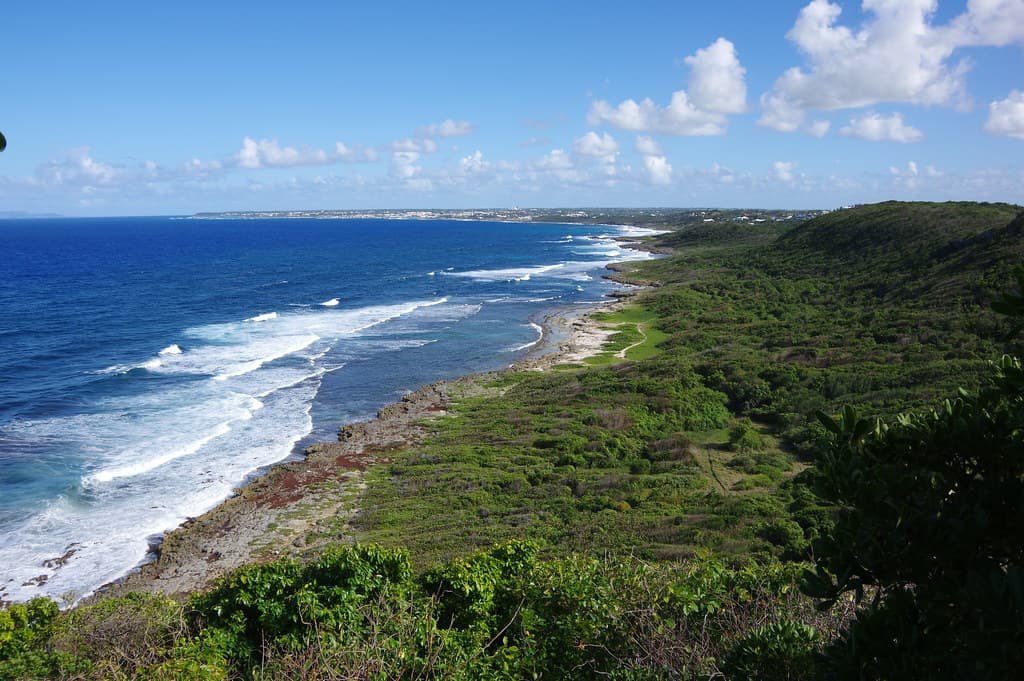
The sand here runs long and relatively untamed, backed by low coastal vegetation rather than hotels or restaurants. You'll feel the Atlantic immediately—wind that never fully stops, waves that arrive in consistent sets, the sense of facing an ocean that means business. The beach takes its character from this exposure: fewer umbrellas, more serious wave-riders, sand that shifts and rebuilds itself with each tide cycle. Morning light catches the wave faces as they build and break, illuminating the water's interior—green-blue, opaque with suspended sand, powerful. Surfers paddle out at the main break, their boards briefly visible before dropping into troughs. You'll see bodyboarders too, taking the shore-break pounding that would snap a stand-up rider. The beach slopes steeply in sections, creating that particular challenge of waves that break directly on sand rather than over reef—harder to read, quicker to close out, honest in their chaos. The coastal scenery extends north and south, uninterrupted by development: just beach, vegetation, and the Atlantic doing what it does. You'll walk farther than intended, hypnotized by the rhythm of waves and the perpetual rearrangement of shells along the strand line. By the time you return to your starting point, the tide will have erased your footprints, the beach reset for whoever comes next.
Places, rentals, tours and events within walking and driving distance of Plage des Dauphins.
Photos
Plage des Dauphins faces the open Atlantic with consistent surf and wave action, making it more suitable for experienced swimmers and surfers than casual bathers. The beach's exposure to Atlantic swells creates challenging conditions with currents and breaking waves. Swimming is possible during calmer periods, but always requires caution and strong swimming ability. There are no lifeguards on duty. Families with young children should choose more sheltered beaches for swimming. The beach is popular with surfers precisely because of its wave energy. Always assess conditions carefully before entering the water and respect the ocean's power on this exposed coastline.
Plage des Dauphins is best visited during Guadeloupe's dry season from December to May for optimal weather and scenic coastal views under clear skies. Surfers particularly favor winter months when Atlantic swells are strongest. For those primarily interested in scenery and sunbathing rather than swimming, the beach is beautiful year-round. Morning visits often provide the best light for photography and slightly calmer conditions. Weekdays tend to be quieter than weekends. The beach's wild Atlantic character is most dramatic when waves are rolling in, though this limits swimming opportunities. Check surf forecasts to match conditions to your intended activities.
Plage des Dauphins is located in Le Moule on Grande-Terre's Atlantic coast, roughly 30-40 minutes from Pointe-à-Pitre. A rental car is the most convenient option, though Le Moule is accessible by public bus from major towns. Once in Le Moule, follow local beach signs to Plage des Dauphins. The beach is well-known locally, so GPS navigation or asking for directions works well. Parking is typically available near the beach access points. The road infrastructure around Le Moule is good, making the beach relatively easy to reach compared to more remote northern locations.
Plage des Dauphins is in Le Moule, giving visitors access to town restaurants, cafés, bakeries, and shops within a short distance. Le Moule offers various dining options serving Creole cuisine, seafood, and international fare. Local food vendors may operate near popular beaches on weekends. For accommodation, Le Moule has hotels, guesthouses, and vacation rentals suitable for different budgets. Basic beach facilities may be limited directly at Plage des Dauphins, so bringing your own refreshments is wise. The town setting means you can easily combine a beach visit with exploring Le Moule's markets, restaurants, and local culture.
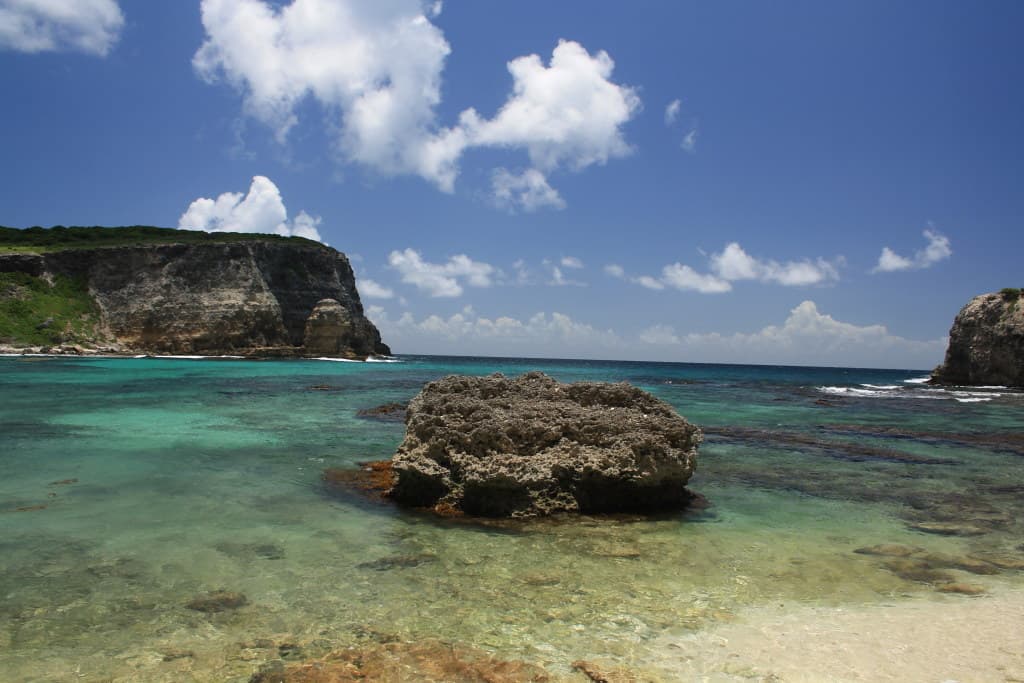
Plage des Dauphins is known for its dramatic Atlantic scenery and consistent surf, attracting wave riders and nature enthusiasts who appreciate powerful ocean energy. The beach offers a more wild, authentic coastal experience compared to protected Caribbean-side beaches, with scenic views of breaking waves, coastal rock formations, and open seascapes. Its name (Dolphin Beach) evokes the marine life that inhabits these Atlantic waters. The combination of surf culture, striking natural beauty, and Le Moule's authentic town atmosphere makes it distinctive. It's ideal for visitors seeking coastal scenery, surfing opportunities, and the raw beauty of Guadeloupe's windward shore.