Counting the waves…
Counting the waves…
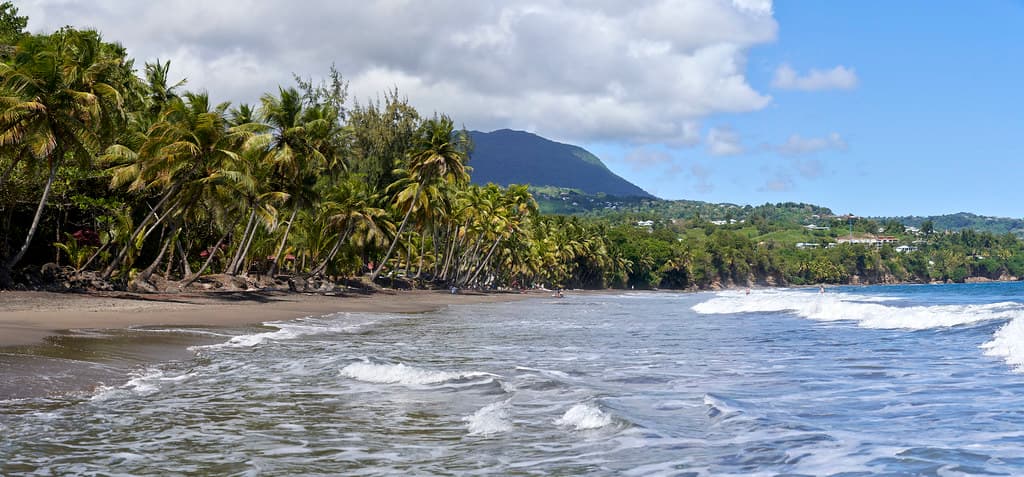
You enter the water from a narrow strip of buff-coloured sand, the cove's arms extending on both sides to create a natural harbour that filters out the chop common on this exposed southern coast. Within three strokes, you're hovering over rock formations colonized by brain coral and sea fans, the visibility extending fifteen metres on calm days. Sergeant majors dart through crevices while parrotfish graze on algae-covered boulders, their crunching audible underwater. The village of Vieux-Fort rises directly behind the beach, a compact cluster of Creole houses with louvred shutters and corrugated roofs. Fishing nets dry on wooden racks between the road and the sand, and you'll often see men repairing them in the shade, their hands moving in practiced rhythms while they discuss weather patterns and catch reports. This isn't a beach that has adapted to tourism—you adapt to its working rhythms. Mid-morning brings the best snorkelling conditions, before the wind picks up and before the sun climbs high enough to create surface glare. You'll share the water with local kids who swim here after school, their familiarity with every rock and current absolute. The cove's eastern arm provides deeper water for stronger swimmers, where the seabed drops to five metres and larger fish patrol the boundary between sand and rock.
Places, rentals, tours and events within walking and driving distance of Plage de l'Anse Dupuy.
Photos
The cove's protected setting generally provides calm, clear waters suitable for swimming and snorkeling, especially during favorable weather conditions. However, always check current conditions before entering, as Atlantic swells can occasionally affect even sheltered bays. The clarity of the water makes it excellent for observing marine life near the rocks. Avoid swimming during rough seas or strong wind advisories. There are typically no lifeguards on duty, so swim at your own risk and stay close to shore if you're not a confident swimmer.
The ideal period is during Guadeloupe's dry season from December to May, when you'll encounter calmer seas, clearer skies, and optimal snorkeling visibility. The beach is particularly appealing during weekdays and outside French school holidays when crowds are lighter, allowing you to enjoy the cove's tranquility and local character. Early mornings offer the calmest water conditions for snorkeling. While accessible year-round, the wet season from June to November can bring afternoon showers and choppier seas, though the beach remains beautiful even during brief tropical downpours.
Reaching this south Basse-Terre beach requires a car, as public transportation options are limited in this area. From Basse-Terre town, follow the coastal road south toward Vieux-Fort; the drive typically takes 15-25 minutes depending on your starting point. Look for local signage directing you to Anse Dupuy. Parking is usually informal along the roadside near the beach access. The final approach may involve a short walk down to the cove. A GPS or offline map is helpful, as some beach access points aren't prominently marked.
This is a relatively undeveloped beach area, so amenities are limited directly at the cove. You'll find more dining options and small local eateries in the village of Vieux-Fort itself, a short drive away, serving Creole cuisine and fresh seafood. For accommodations, consider guesthouses and vacation rentals scattered throughout the Vieux-Fort area or in nearby Basse-Terre town, which offers a wider selection. Many visitors treat Anse Dupuy as a day-trip destination, bringing their own refreshments and snacks, as beach-side facilities are minimal or non-existent.
Anse Dupuy embodies authentic local character with fewer tourists than the more developed beaches of Grande-Terre. The cove setting creates an intimate atmosphere, surrounded by volcanic rock formations typical of Basse-Terre's coastline. Its clear waters and snorkeling opportunities showcase the Caribbean marine environment in a quieter setting. The beach reflects the pace of life in this southern region, where you're more likely to encounter Guadeloupean families than international visitors. Its scenic beauty, combined with a genuine sense of place away from resort zones, makes it special for travelers seeking authentic Caribbean coastal experiences.