Counting the wavesβ¦

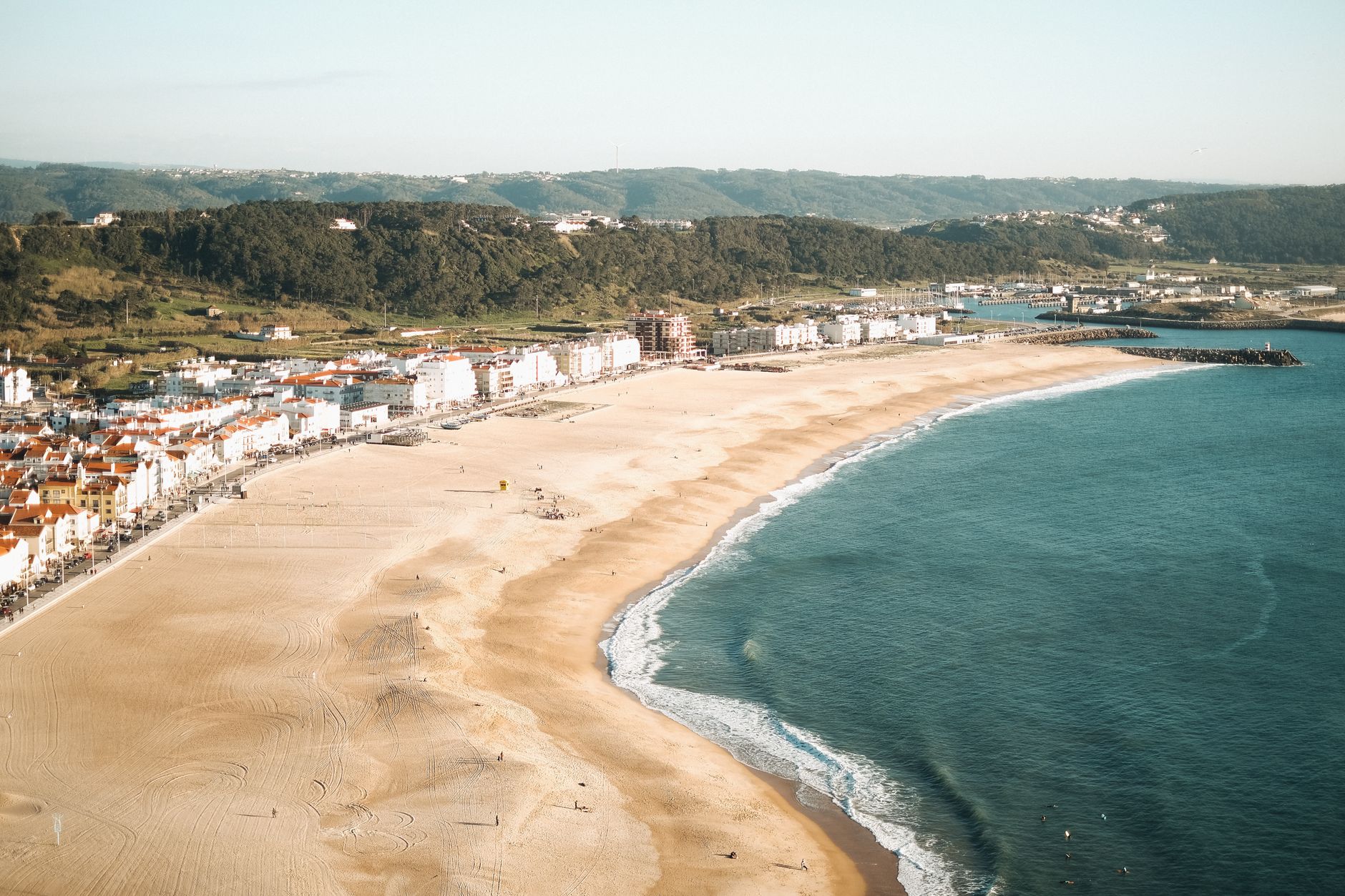
You find Porticciolo by accident or intention, but rarely by tourism signage. The hamlet sits low on Cap Corse's eastern shore, a handful of houses clustered around a tiny harbor where fishing boats bob on moorings and the smell of diesel mixes with brine. The beach occupies the margin, a narrow crescent of grey pebbles that curves between the harbor's southern edge and a low outcrop of dark rock. It's utilitarian, a place where work and leisure overlap without pretense. The pebbles are small and smooth, and the water enters gently despite the rocky surroundings. You wade in past mooring buoys and the occasional patch of seagrass, the bottom a mix of sand and stone that shelves gradually. The clarity is goodβbetter on rising tides when the harbor's minor turbidity settles. Families arrive in the late morning, spreading towels in the slim band of shade the shoreline houses provide. By mid-afternoon, the beach empties again, leaving only the sound of halyards tapping against masts. What Porticciolo offers is modest scale and authenticity. You're not here for dramatic scenery or pristine sands; you're here because the water is clean, the setting unpretentious, and the cafΓ© across the lane serves grilled fish caught that morning. It's a beach that knows its limits and doesn't exceed them, which in a summer full of superlatives feels like a small, honest relief.
Places, rentals, tours and events within walking and driving distance of Plage de Porticciolo.
Photos
Plage de Porticciolo is generally safe for swimming and family-friendly, though as a pebble beach, water shoes are recommended for comfort. The beach is small and sheltered, which typically means calmer waters, making it suitable for children. However, always check local conditions before swimming, as Mediterranean weather can change quickly. The compact size allows parents to easily supervise children. Being on the eastern Cap Corse coast, mornings typically offer the calmest sea conditions before afternoon winds develop.
The optimal time to visit Plage de Porticciolo is from June through September when weather conditions are most reliable and water temperatures are warmest. July and August offer guaranteed sunshine and warmest seas but bring peak crowds to Corsica. For a balance of good weather with fewer visitors, consider late May, June, or September. As an east-facing beach, mornings provide the best light and calmest conditions. The small size means it can feel crowded even with modest visitor numbers during peak season.
Plage de Porticciolo is located on the eastern coast of the Cap Corse peninsula, accessible via the D80 coastal road that circles Cap Corse. From Bastia, drive north along the D80 toward Cagnano; the beach is situated near the small hamlet of Porticciolo. A car is strongly recommended as public transport is very limited on Cap Corse. Parking may be limited given the beach's small size, so arrive early during summer months. The drive from Bastia takes approximately 45 minutes along scenic coastal roads.
Porticciolo is a small hamlet with limited on-site facilities. The nearby village of Cagnano, located inland, offers some basic services including small grocery shops and possibly seasonal restaurants. For a wider selection of dining and accommodation, consider staying in larger Cap Corse villages like Macinaggio to the north or Erbalunga to the south. Many visitors base themselves in Bastia and make day trips around Cap Corse. Given the rural nature of this area, it's wise to bring snacks and water, especially during peak season.
Plage de Porticciolo offers an authentic, unspoiled slice of Cap Corse's eastern coastline, away from the more developed beaches. Its small size and location in a tiny hamlet provide an intimate, local atmosphere that larger beaches lack. The pebble beach is characteristic of the Cap Corse east coast, with typically clear waters excellent for swimming and snorkeling. The setting feels genuinely Corsican, without tourist infrastructure, making it ideal for travelers seeking quiet, scenic spots for sunbathing and experiencing traditional island coastal life rather than resort amenities.